Polyend Drums brings analog-digital drum synthesis to Superbooth 2026
Polyend’s new Drums went from Superbooth showpiece to preorder target by pairing hybrid synthesis with a sequencer built for hands-on pattern play.
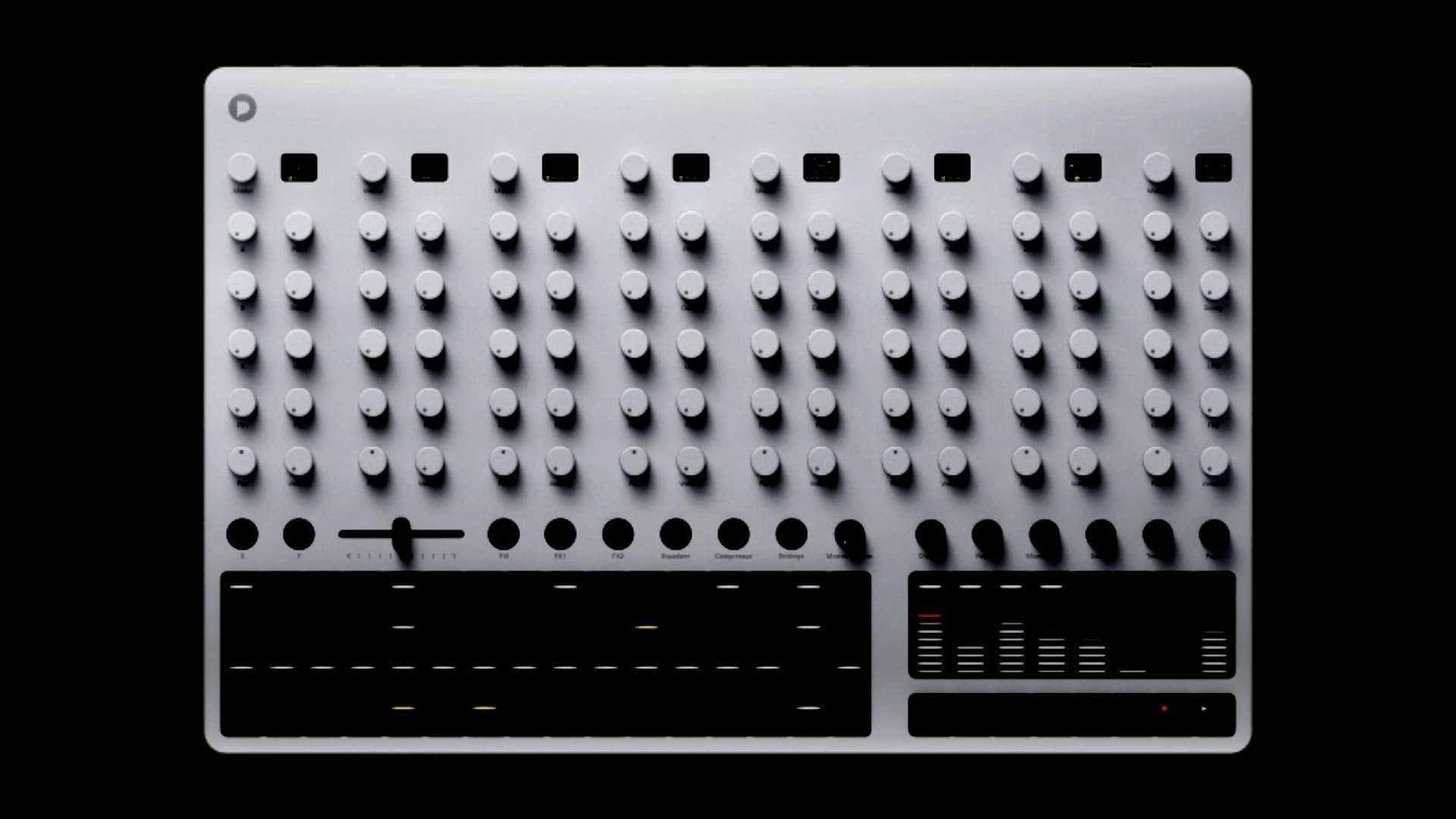
Polyend used Superbooth 2026 to push drum machines back into the center of the hardware conversation, with Drums landing as one of the show’s biggest drawcards and immediately inviting comparison to Roland’s TR-1000. The pitch was not nostalgia for nostalgia’s sake. It was immediacy: a machine that tried to capture the snap, punch, and performance feel that made classic drum boxes collectible in the first place.
Drums is a hybrid eight-track instrument, and Polyend made that architecture the story. Each track can be assigned to analog, digital, or sample-based sound sources, while the core analog side uses four voices based on modern SSI chips. Each of those voices carries two analog VCOs, a noise source, a digital oscillator for hybrid or FM-style sounds, plus a multimode filter and VCA. That is not a retro clone of any one machine. It is a modern translation of classic drum-synthesis logic, built to move beyond faithful recreation and into wider sonic range.
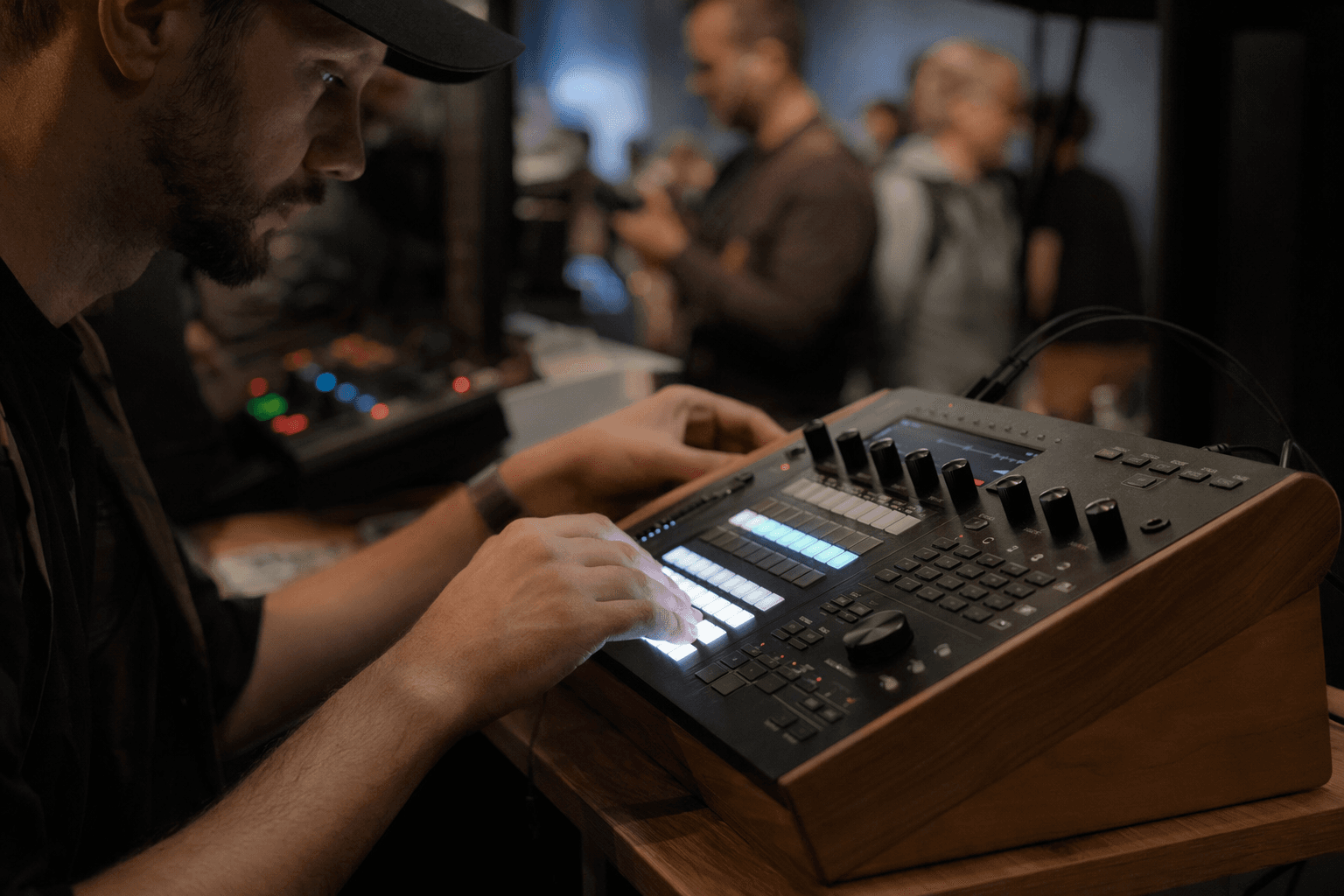
The sequencing is where Polyend leaned hardest into the old-school payoff. The company described Drums as its most advanced and intuitive sequencer yet, and the feature set backs that up: probability, microtiming, parameter locks, pattern chaining, playback modes and generative tools all sit inside the box. Thomann’s listings add that the machine offers up to 64 steps per track, individual track lengths, time scaling, sequenced insert effects, 32 GB of internal memory, 8 individual 1/4-inch outputs, 2 main outputs, 2 audio inputs, MIDI in, MIDI out, MIDI thru and USB-C audio and MIDI. In black or silver, the hardware sits in a single-piece aluminum body and weighs 2.0 kg.
That combination makes Drums feel less like a groovebox challenger and more like a serious attempt to preserve the pleasure of programming a drum machine as an instrument. Polyend said the machine was built without compromise and framed it as a long-running project meant to feel immediate and require less thinking while creating. Piotr Raczyński also said the instrument was being made in small batches and was intended to stay relevant for decades, with the first run expected to ship in around three or four months.
The comparison to Roland’s TR-1000 sharpens the stakes. Roland’s machine explicitly reaches back to the TR-808 and TR-909, even recreating 16 circuits and marking the company’s first true analog drum engine in more than 40 years. Polyend took a different route, but the target is similar: a premium performance machine that treats step programming, hands-on control and happy-accident sequencing as the real product. Drums did not arrive at Superbooth as a museum piece. It arrived as a reminder that the drum machine lineage is still being written.
This article was produced by Prism’s automated news system from verified source data, official records, and press releases, then run through automated quality and moderation checks before publishing. The system is built and supervised by the people who set the standards it runs under. Read our full AI policy.
Did this article answer your question?