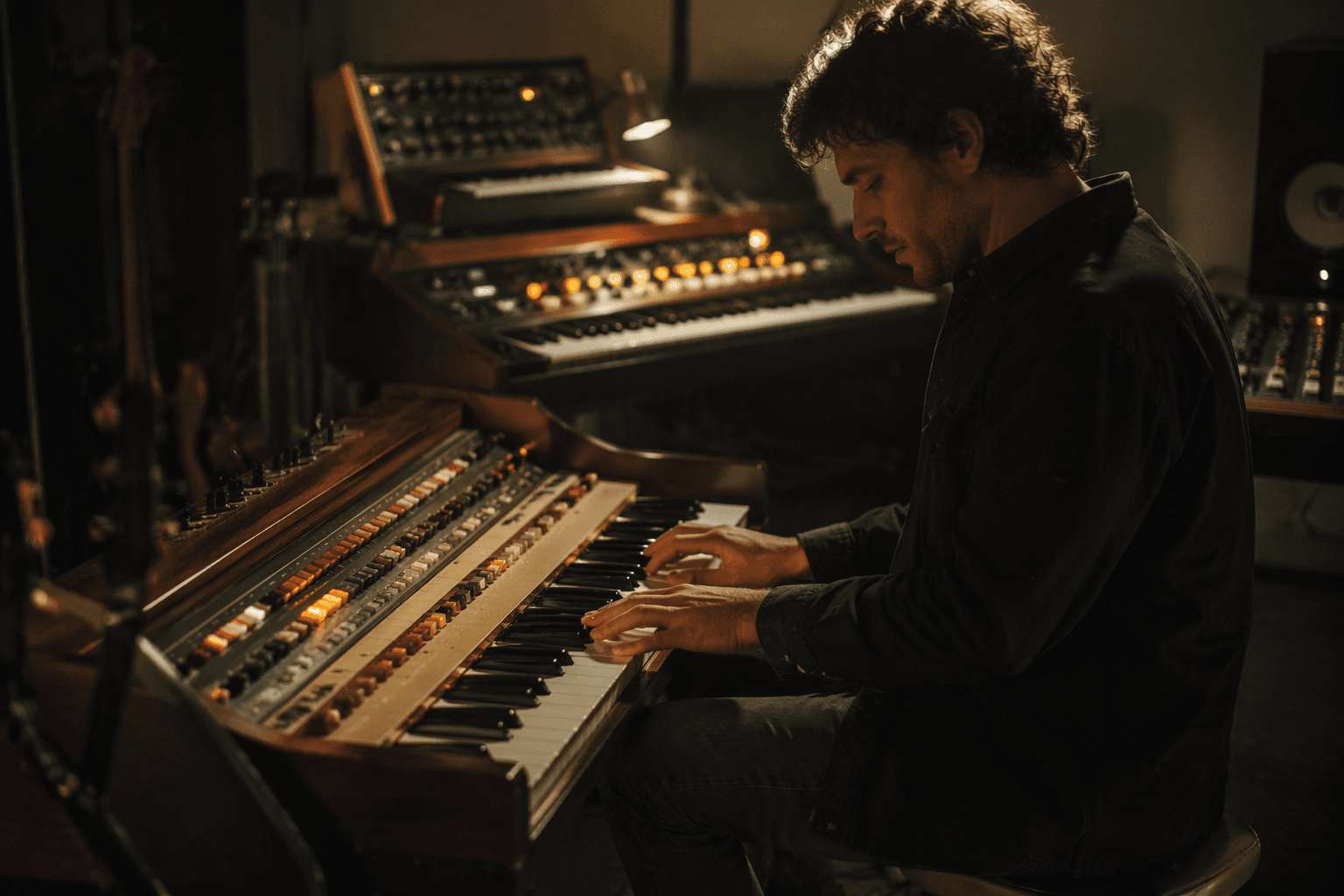
Roland D-50 Reverb listing highlights restored late-1980s digital classic
A serviced Roland D-50 with new tact switches, battery, and cleaned controls shows why late-80s classics now trade on maintenance, not nostalgia.
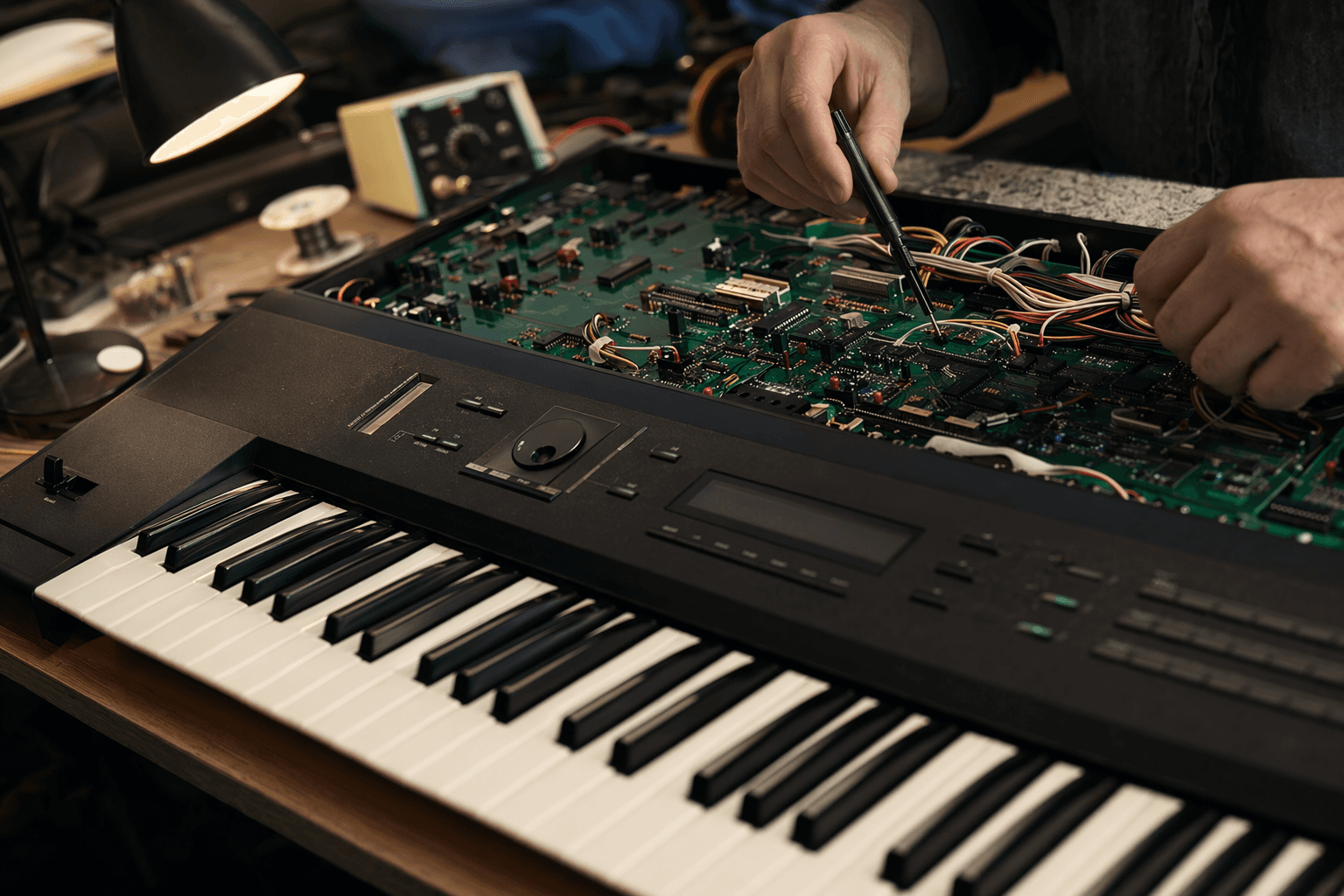
A Roland D-50 61-key linear synthesizer, serial number 807703, put the service history front and center. The listing described the late-1980s digital keyboard as being in great working condition, thoroughly tested, and performing as it should, but the real value was in the work underneath the shell.
That matters because the D-50 is not just another old keyboard. Roland released it in 1987 as its first fully digital synthesizer, and its Linear Arithmetic approach mixed PCM waveforms with subtractive synthesis to solve one of the hardest problems in synthesis, getting the attack phase of acoustic instruments to feel believable. The instrument quickly became a reference point for late-1980s pop and soundtrack production, with factory sounds like Fantasia and Digital Native Dance helping define its identity. Industry references place its production run from 1987 to 1990, and it went head to head with the Yamaha DX7 in the same crowded digital market.
The maintenance list on this unit reads like a buyer’s checklist. New tact switches mean the front panel should respond reliably instead of producing flaky button behavior. A new internal battery matters because it protects memory and keeps the machine from turning into a patch-loss headache. Cleaned faders and cleaned key contacts speak directly to daily usability, since dirty controls and failing contacts can turn a great-sounding synth into a frustrating one fast. The factory reset rounds out the process by putting the instrument back into a known starting point for programming and playback.
That is the difference between a playable studio tool and an expensive project keyboard. A clean case is nice, but on a D-50 it does not tell the whole story. Buyers now look for fresh batteries, stable controls, and serviced surfaces because those details separate a classic that can be plugged in and used from one that immediately sends its new owner into repair mode. The current resale market reflects that shift, with serviced examples still moving and listings explicitly calling out battery replacement and full functionality.
Roland’s own 30th-anniversary material framed the D-50 as a breakthrough because of what LA synthesis did for realism. Nearly four decades later, that same breakthrough still carries weight, but the market now rewards the units that have been cared for properly. On a D-50, service history is not a footnote. It is the difference between nostalgia and a working instrument.
This article was produced by Prism’s automated news system from verified source data, official records, and press releases, then run through automated quality and moderation checks before publishing. The system is built and supervised by the people who set the standards it runs under. Read our full AI policy.
Did this article answer your question?