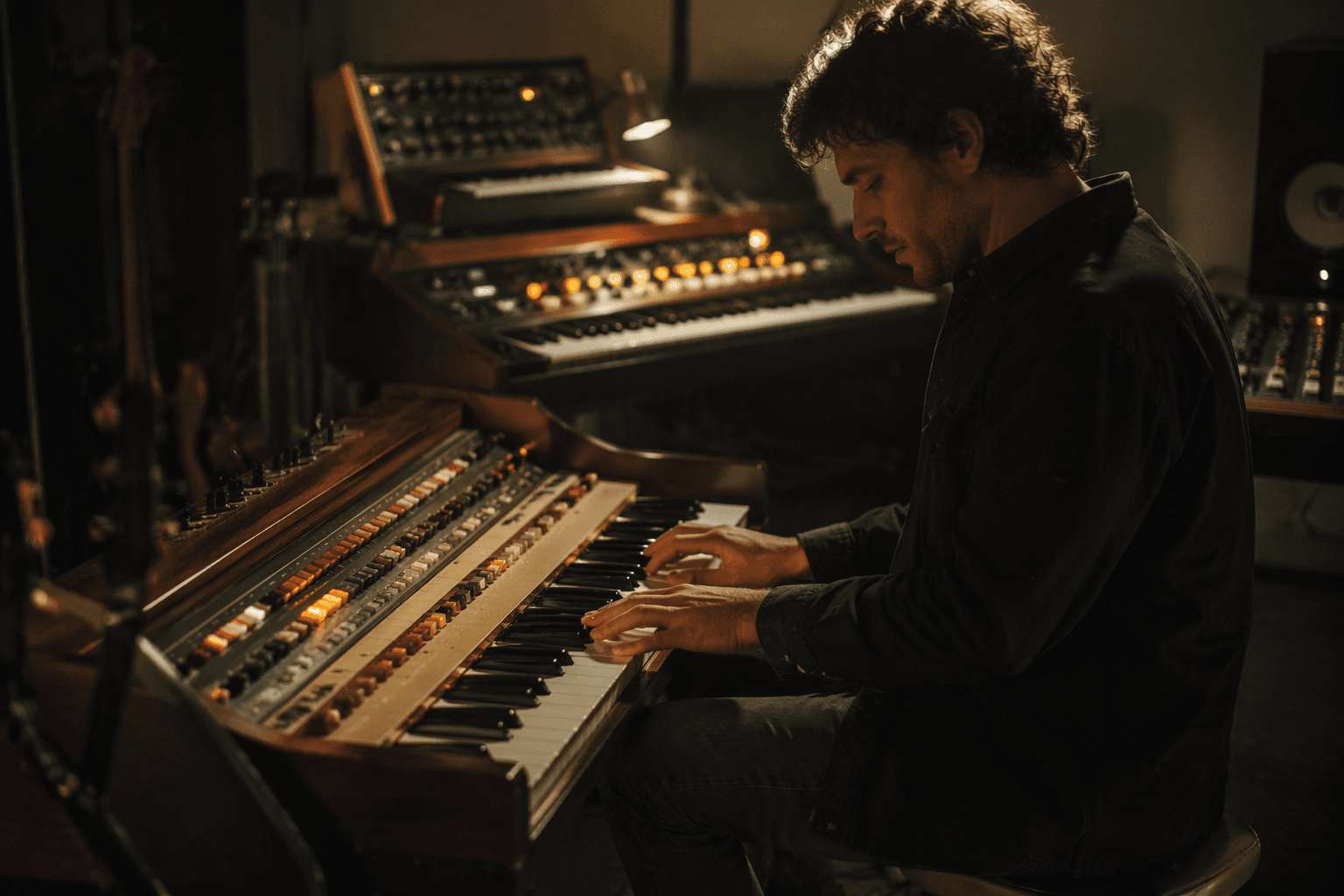
Trautonium-inspired Flexur reimagines vintage synth expression for DIY builders
Flexur turns Trautonium-style touch control into a modern DIY synth, with floating bars, CV I/O, and a prototype path builders can follow.
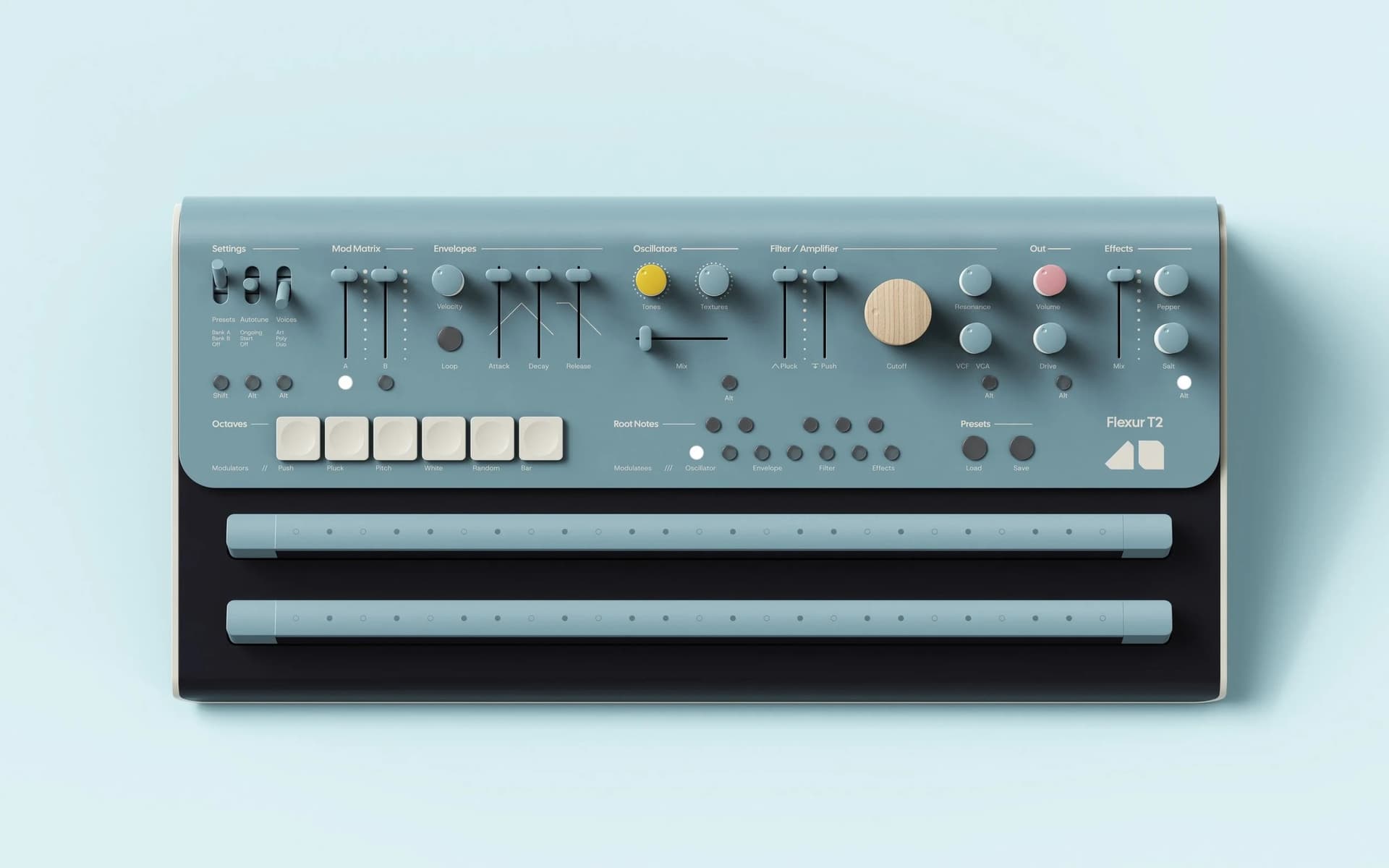
Flexur lands as more than a retro nod because it treats one of electronic music’s earliest expressive ideas as something still worth building, playing, and iterating. The draw is not a museum-style replica. It is a hands-on instrument in progress, shaped by Trautonium lineage, prototype culture, and the kind of touch-driven control that gives vintage synth fans a real performance reason to care.
A Trautonium line that still feels radical
The Trautonium was invented by Friedrich Trautwein in Berlin in the 1930s, then pushed further by Oskar Sala into the Mixtur-Trautonium in the 1950s. Its control concept is the key detail that still matters today: a resistive wire over a metal plate, played by sliding rather than striking keys, with a separate foot controller and a split between control hardware and sound generation. That makes it one of the clearest ancestors of modern expressive interfaces, from ribbon controllers to other pressure and position-sensitive surfaces.
That history explains why Flexur reads as a living lineage story instead of a heritage costume. The June 24 CDM look called it an original Trautonium-inspired synthesizer design in progress, and that framing fits the instrument’s real appeal: it asks what happens when expression comes first and the keyboard becomes optional. For vintage-synth readers, that is the same old argument resurfacing in a new physical form.
What Flexur is building
Sound Workshop describes Flexur T2 as a standalone expressive synthesizer built for emotional melodies, easy to start but meant to reward weeks, months, and years of practice. The current spec list is unusually concrete for a project still moving toward production: two floating touch bars, 15 mm semitone spacing, 23 semitones of travel, a streamlined knob-per-function subtractive synth, preset and autotune functions, mono/poly/arp modes, a 6x12 mod matrix with two routing paths, and dedicated intensity sliders.
The I/O is a major part of the story because it keeps the idea from collapsing into a self-contained novelty. Flexur includes audio in and out, TRS MIDI in and out, USB-C MIDI out, two expression or gate inputs, and four CV outputs for pitch, gate, envelope, and force. It also has USB-C for power and firmware updates, plus a full-sized balanced instrument jack for mixers, pedals, and amps. That is the kind of connectivity that lets an expressive controller sit beside an analog rack, a pedalboard, or a DAW setup without feeling like a dead-end gadget.
Why the interface matters more than the badge
The most interesting thing about Flexur is the performance logic baked into the front panel. The two floating touch bars are not there to imitate a piano keyboard, and they are not just a gimmick for visual drama. They are meant to make pitch and volume continuous, which is exactly what made the Trautonium family so different from standard subtractive synths and still keeps it in the same conversation as other alternative controllers.
The demo material makes that clear. Sound Workshop’s video walks through an ondes Martenot style performance, drone textures, sine-wave playing, arpeggiator and looping envelope work, audio-rate modulation, and even CV output controlling a 0-Coast. That range matters because it shows the instrument can move from immediate melodic phrasing to modular control duties without losing its identity as an expressive touch instrument.
For builders, that is the lesson worth taking home. Flexur is not just copying a famous historic machine, and it is not trying to be a vague “vintage-inspired” box. It uses an older control philosophy to ask a practical design question: how far can a player go when the interface is built around sliding, pressure, and continuous movement instead of fixed keys?
What the prototype culture says about the build
The project’s development path is very much part of the appeal. Sound Workshop says it has made four functional prototype units and put them in front of more than 100 early testers, then moved into a production-intent redesign. The presale page also says the team is crowdfunding up to 100 units, aims to ship in 6 to 24 months, and is using the money to cover tooling, fixtures, consulting, and minimum order quantities.
Price frames the project in a way vintage readers will understand immediately. The presale page lists Flexur T2 at $1,399, with a normal price of $1,599, and says the initial fundraising target was $75,000. CDM’s June 24 write-up also notes that the preorder had sold out and that shipping would take 6 to 24 months, which puts the instrument squarely in the same territory as other boutique synth projects where access, patience, and community momentum matter as much as the spec sheet.
Flexur matters because it keeps the Trautonium idea moving. The old instrument’s legacy survives not only in restorations and archive footage, but in builders who still want touch, slide, and phrasing to shape the sound from the start. That is how a 1930s control concept stays alive: not as a label on a display case, but as a machine people are still trying to play.
This article was produced by Prism’s automated news system from verified source data, official records, and press releases, then run through automated quality and moderation checks before publishing. The system is built and supervised by the people who set the standards it runs under. Read our full AI policy.
Did this article answer your question?