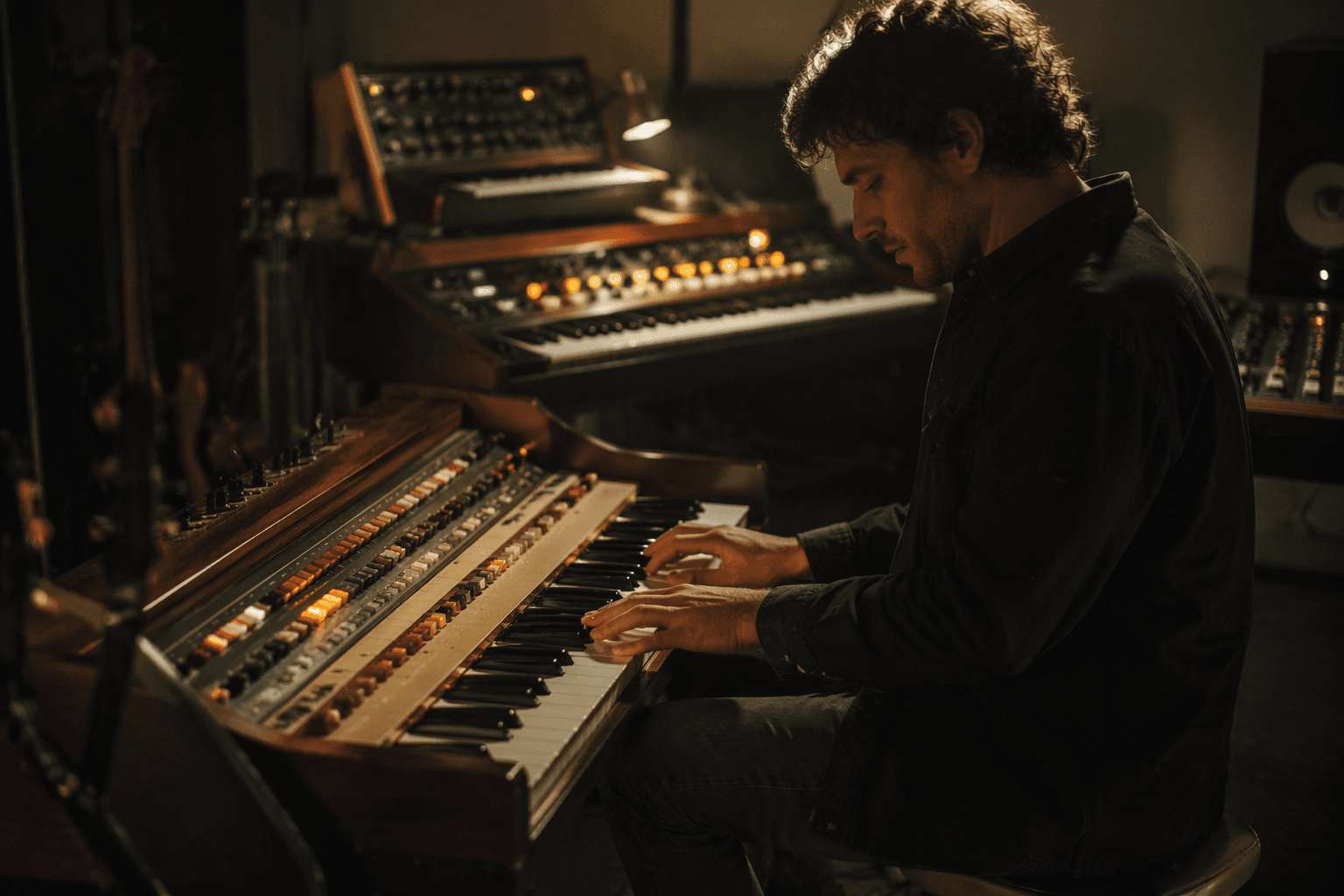
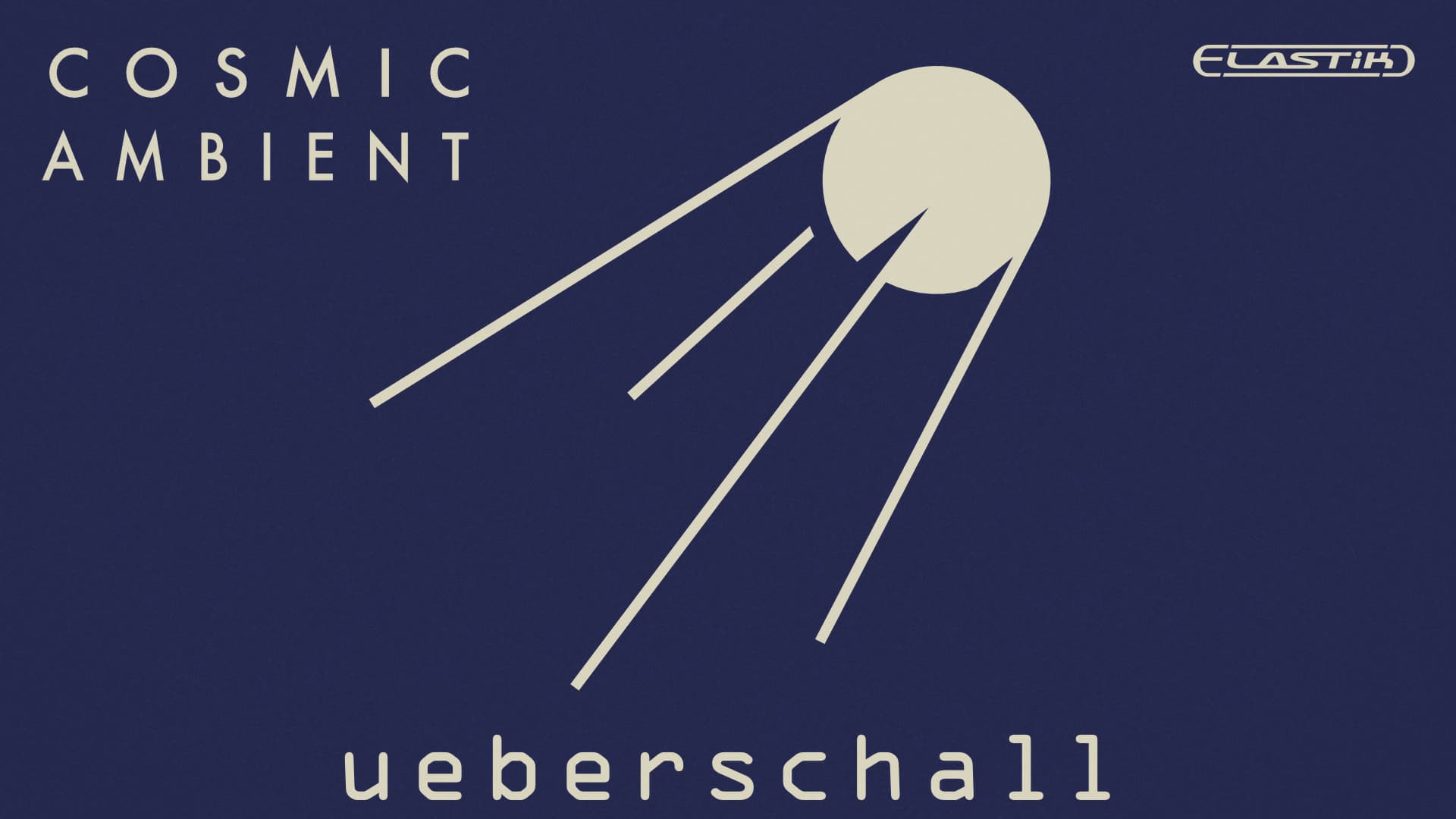
Ueberschall’s Cosmic Ambient channels late-70s synth textures for modern workflows
Cosmic Ambient leans hard into late-’70s and early-’80s synth color, then breaks it into 15 kits you can reshape fast in Elastik.
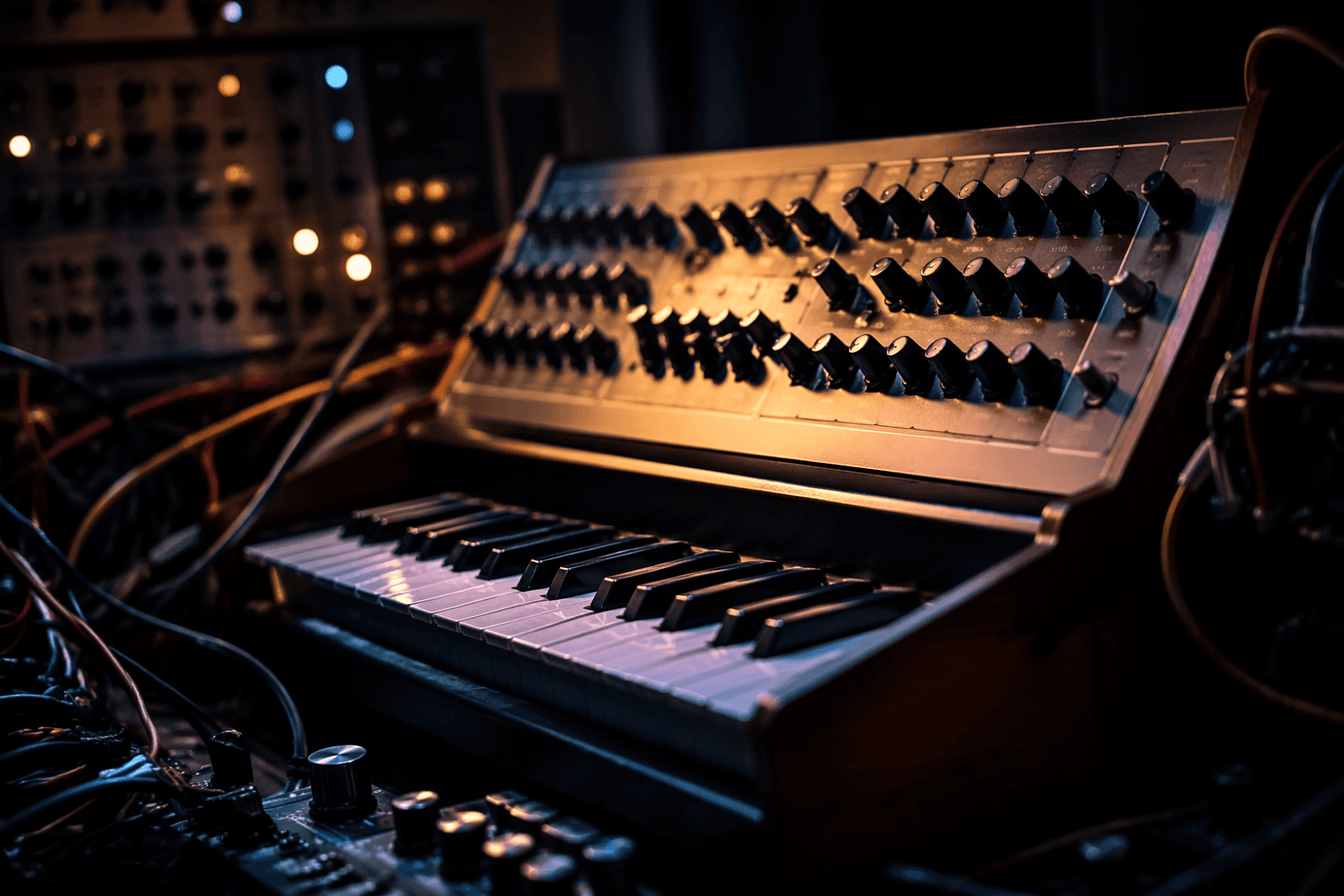
Ueberschall’s Cosmic Ambient is less about nostalgia as a slogan and more about whether the sound actually sells the era. It reaches for the sequencer pulse, plate-heavy atmosphere, and robotic sheen of late-’70s and early-’80s electronic music, then packages those cues for modern DAW work without forcing you to accept a fixed arrangement. That makes it a useful test case for anyone who wants old-school character without dragging a warehouse of vintage hardware into the studio.
A retro palette built for rearranging
The library is organized into 15 construction kits, with 1.3 GB of material and 308 loops and samples. Ueberschall says the tempos run from 70 to 130 BPM, which gives it a real spread: slow, drifting cinematic beds on one end, and more propulsive retro-futurist motion on the other. Loop lengths go up to 1:25 minutes, so the kits are long enough to develop atmosphere instead of sounding like short, repetitive fragments.
What matters most for this kind of library is not just the parts on offer, but how convincingly they evoke the source era. Cosmic Ambient goes after the sound of analog-style pads, pulsing sequences, synth bass, and electronic rhythm beds, then pushes them through delays and plate reverbs that feel rooted in classic studio space. The result is aimed squarely at ambient, synthwave, electronica, and sci-fi scoring, where texture and momentum matter as much as melody.
The vintage reference points are specific, not vague
This is where the library earns attention from vintage synth readers. The sonic language is clearly drawn from the late-1970s and early-1980s moment when sequencer-driven patterns, warm bass pulses, and processed effects defined a lot of forward-looking electronic music. Ueberschall also notes that selected kits include vocoder-processed robotic voices, which pushes the material further into the territory of classic electro-futurism and early machine-voice aesthetics.
The drum programming is equally telling. Alongside standard kicks and snares, the kits include bleeps, zaps, cymbals, toms, shakers, electronic percussion, and other vintage-inspired colors. That mix matters because it does not just imitate a generic “retro” gloss. It suggests the specific texture of older electronic production, where drum elements, synth motifs, and effects often blended into one synthetic landscape rather than sitting in separate, polished lanes.
Each kit is built for decomposition and reuse
Cosmic Ambient’s most practical feature is the way each kit can be stripped apart into layers and recombined. Pads, basslines, sequencer figures, drums, and effects are not locked into the original arrangement, so the user can repurpose them instead of treating each construction kit as a finished song sketch. For anyone working in a modern workflow, that is the difference between a nice listen and a genuinely usable toolkit.
Ueberschall says each kit comes with a full drum mix, individual drum tracks, and single drum sounds. That structure gives you multiple levels of control: quick drag-and-drop arrangement material if you want speed, plus isolated pieces if you want to rebuild the groove from the ground up. It is a sensible approach for composers and beatmakers who want the flavor of a vintage sequence without being trapped by the exact pattern the library started with.
Elastik is the bridge between archive and workstation
The library is designed for the free Elastik Player, available on macOS and Windows in VST2/3, AU, AAX, and standalone formats. Ueberschall says the loops can be combined and adapted using Elastik’s tempo and pitch algorithms, which is the technical layer that makes the whole concept work in a contemporary session. Instead of treating the material like static audio, you can stretch, shift, and recontextualize it inside a workflow that feels native to modern production.
That approach suits the material well. A library built around vintage synth textures lives or dies on flexibility, because the mood can be right while the key or tempo is wrong for the track in front of you. By pairing the construction-kit format with tempo and pitch processing, Cosmic Ambient keeps the retro character intact while still behaving like a production tool rather than a museum piece.
A company that has been building this kind of tool for decades
Ueberschall frames the release as part of a larger catalog of more than 200 products across over 40 genres, and that history helps explain why the product feels so workflow-focused. The company says it has been creating loops for musicians, producers, and media composers since 1987, when it was founded by Uwe Kinast in Steyerberg, Germany. Its first sample libraries were released on floppy discs for the Akai S1000, then came audio CDs and CD-ROM libraries in formats including WAV, AKAI, and EXS24.
That lineage matters because it shows how the company moved from early sampler-era distribution into its own software players, eventually leading to Elastik. Cosmic Ambient reflects that history in miniature: the sounds nod to the classic synth age, while the delivery method is firmly built for the way producers work now. Produced by Julian Liedtke, with Julian Liedtke listed as managing director and Uwe Kinast as founder, it comes from a company that has spent a long time translating sample culture into usable tools.
What it offers to vintage synth-minded producers
The real appeal here is not that Cosmic Ambient mimics a single legendary machine or pretends to be a hardware recreation. It is that it captures the broader aesthetic vocabulary of the era: sequencer motion, analog-style bass, processed ambience, robotic voice treatment, and drum details that feel lifted from early electronic scoring and synth-led experimental pop. For producers who love those textures but work entirely inside a modern setup, that is a strong proposition.
At 59.00 €, it sits in the zone where a specialized soundbank needs to justify itself with character and utility, and Cosmic Ambient does that by making the retro language easy to arrange, layer, and reshape. If you want the mood of the old synth decades without hunting for the original machines, this is built as a practical bridge. It lands best when you want the atmosphere to feel like an artifact, but the session itself to move like a modern production.
This article was produced by Prism’s automated news system from verified source data, official records, and press releases, then run through automated quality and moderation checks before publishing. The system is built and supervised by the people who set the standards it runs under. Read our full AI policy.
Did this article answer your question?