A Practical Roadmap to Building a Playable 10th Edition Army
This guide lays out a clear, platform agnostic route for new or returning Warhammer 40,000 players to field a playable, paintable force compatible with 10th Edition rules. Follow a step by step approach from choosing goals and faction, to a sensible purchase path, to quick painting and practice that gets you on the table fast while avoiding wasted cost.

Decide your goals first. Choose whether you want casual games for friendly tables or to pursue tournament level play, because that choice affects point targets, unit durability, and whether you prioritize competitive lists or models you enjoy painting and playing. Pick a faction that excites you both for lore and playstyle, and match your preference to common archetypes. If you like mobile hit and run action, consider fast options such as certain Ork or Aeldari builds. If you want a resilient gunline, consider forces like Space Marines or Astra Militarum.
Start small and expand. Aim for a 500 to 1,000 point battlegroup initially. A 500 point force is ideal for quick friendly games while a 1,000 point list gives steadier play and teaches broader rules interactions. Keep buys and painting time manageable by working up in stages rather than committing to a grand army all at once.
Cover core roles when assembling roughly 1,000 points. Include one to three troops or core objective takers. Add a unit that reliably scores or secures objectives. Field a durable anti tank threat such as a heavy gun or monster. Include anti infantry or area denial capability. Bring an HQ that buffs the force or supplies utility. Build around a simple, clear game plan, such as objective control paired with one decisive strike, and select units that support that plan.
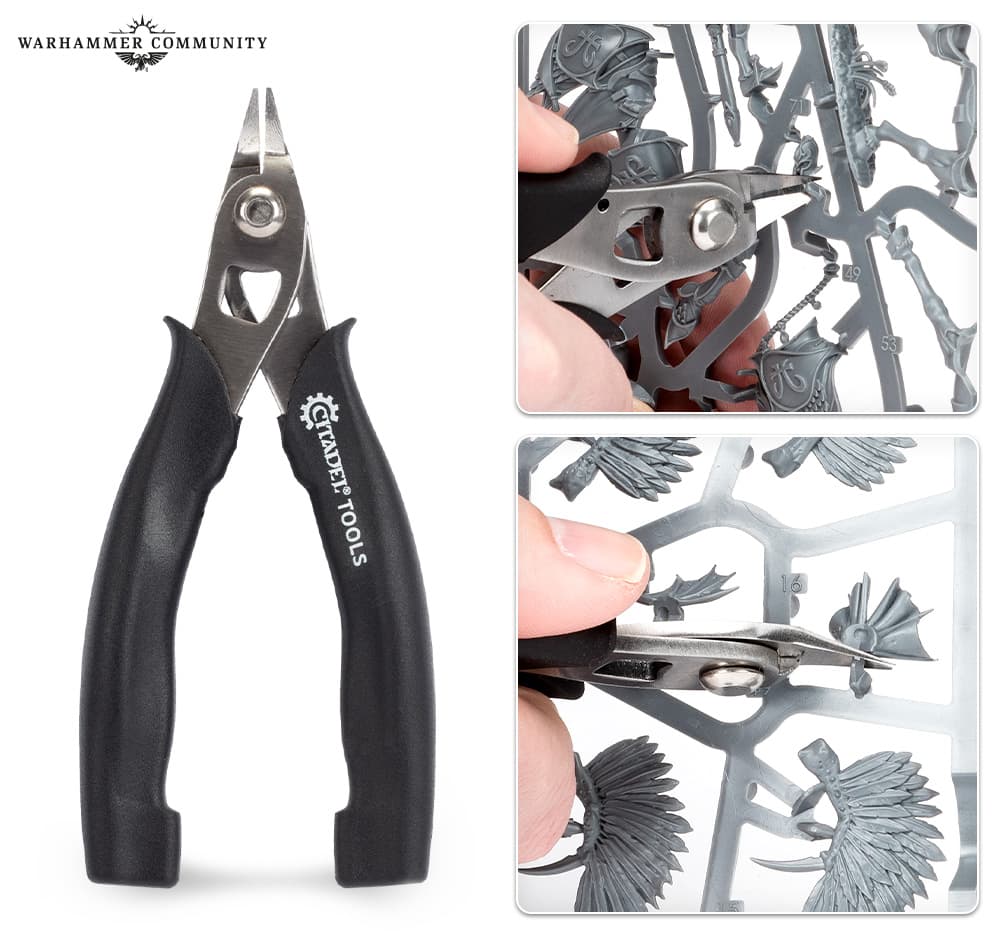
Follow a practical purchase path. Start with a starter box or a Combat Patrol for your faction to obtain core troops and conversion options. Buy one to two models that fill specific gaps, such as a heavy gun, transport, or character. Gather essential supplies including glue, cutters, a file, Citadel style primer, three to five paints, a wash, varnish, and a small brush set.
Use detachment and command benefits to gain CP or special rules, and avoid overspending points on a single model at the expense of board presence. Paint quickly with a basecoat, a quick shade or wash, a contrast or highlight pass, and a simple base. Practice lists at multiple point levels, review what worked, and iterate. Save budget and time by buying used miniatures, favoring boxed sets, sharing paint recipes in your group, and proxying models while you expand. This approach gets you playing sooner and builds long term hobby satisfaction without sacrificing competitiveness.
This article was produced by Prism’s automated news system from verified source data, official records, and press releases, then run through automated quality and moderation checks before publishing. The system is built and supervised by the people who set the standards it runs under. Read our full AI policy.
Did this article answer your question?