Games Workshop Growth and Risks Signal Major Shift for Hobby
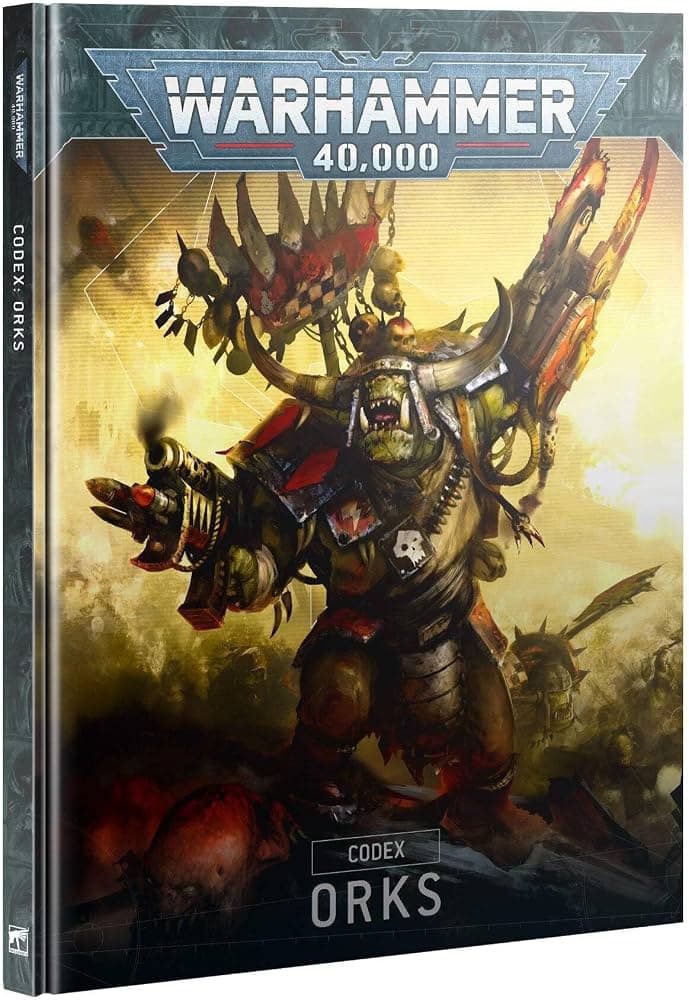
Games Workshop has seen a dramatic share price rise since 2015 and sustained high profitability driven by its Warhammer franchises. New video-game releases and streaming and TV licensing deals could expand the hobby’s audience, but high valuation multiples and upcoming licensing revenue changes create risks for investors, retailers, and local communities.

Games Workshop’s recent market performance has intensified focus on how the company plans to turn hobby demand into broader growth. Since 2015 the firm’s share price has climbed dramatically while operating margins remained unusually high for a maker of toys and hobby products. That combination of profitability and a globally recognized IP has funded a push into video games and media licensing, with new releases and streaming and TV projects identified as key engines for future expansion.
The business case is straightforward: persistent demand for miniatures, paints, and hobby supplies provides a stable cash base, and licensing tie-ins expose Warhammer to new audiences who may convert into tabletop players and collectors. Media projects and video games can lift brand awareness in markets where Games Workshop has limited retail penetration, potentially translating into higher footfall at local stores and increased event attendance.
At the same time, the company’s valuation and revenue mix introduce practical risks. Very high valuation multiples mean the stock is sensitive to any disappointment in execution or shifts in revenue recognition. The company is also facing upcoming changes to how licensing revenue will be recorded and distributed, which could alter reported earnings and the funding available for product development and marketing. Those shifts matter to independent retailers that rely on predictable release schedules and to tournament organizers planning events around product waves.
For players, painters, and store owners there are clear takeaways. Expect spikes in demand tied to major game launches and media premieres; coordinate preorders and demo events with release windows to capture new players. Track official release calendars and regional supply updates to avoid stockouts or sudden price inflation on the secondary market. If you follow the company as an investor, factor in the higher valuation and potential volatility when assessing risk.
Looking ahead, the strategy offers upside for the hobby’s growth and mainstream visibility, but it raises dependency on third-party media partners and volatile revenue streams. Games Workshop’s strong margins give it room to invest, yet community outcomes will hinge on execution: timely product availability, thoughtful licensing that respects the tabletop experience, and transparent communication with retailers and players. Expect the next wave of video games and streaming projects to be the first real test of whether broader exposure translates into sustainable, long-term growth for the hobby.
This article was produced by Prism’s automated news system from verified source data, official records, and press releases, then run through automated quality and moderation checks before publishing. The system is built and supervised by the people who set the standards it runs under. Read our full AI policy.
Did this article answer your question?