Hobby guide improves miniature photography for White Dwarf and social sharing
A practical how-to explains lighting, camera settings and composition for photographing miniatures. It matters because better photos boost tabletop presentation and online reach.
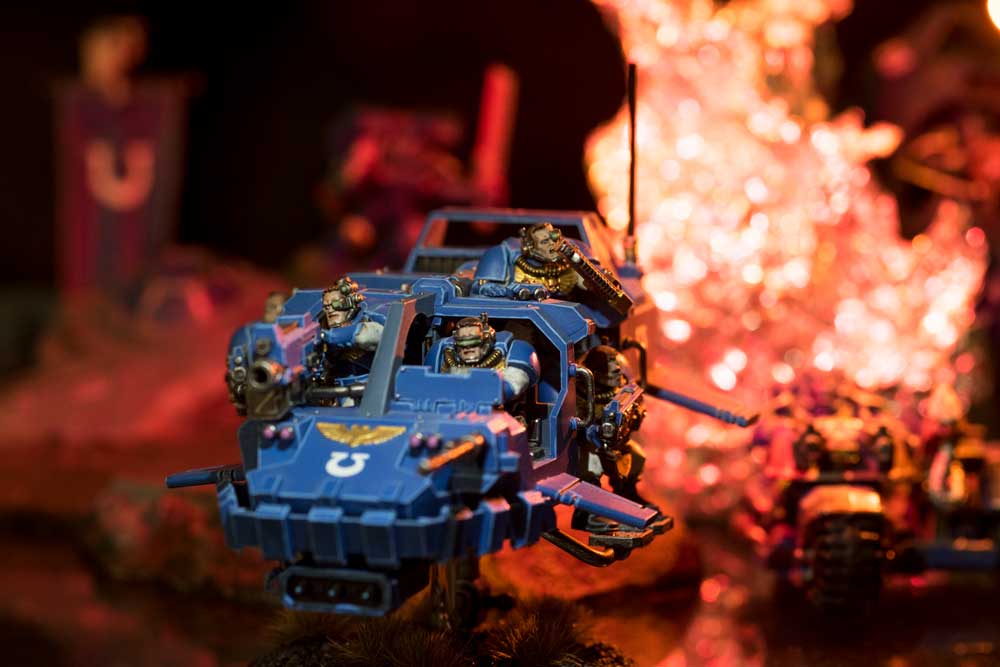
A clear, hobby-focused how-to has become a go-to reference for photographing Warhammer miniatures, laying out techniques that make models pop on print pages and social feeds. The guide prioritizes practical setup and accessible tweaks so painters can capture details without a studio budget.
Start with the basics: clean, plain backgrounds and a simple light-box or daylight bulbs are enough to cut distracting clutter. Lighting is the highest-leverage change, soft, even illumination preserves tiny blends and edge highlights. Two lamps placed front-left and front-right give even coverage, and an optional background light separates the model from the backdrop. Harsh shadows and blown highlights are tamed with tracing paper, diffusers or inexpensive softboxes so metallics and glossy varnishes behave on camera instead of flaring unpredictably.
Composition and the model’s golden angle get equal billing. Move the camera and model to find the view that shows the most interesting surfaces and silhouettes without foreshortening antennae or weapons. Depth of field is both friend and foe: wider apertures make backgrounds creamy but can lose micro-detail on faces and lettering, while smaller apertures keep everything sharp but demand longer exposures. That trade-off is why stabilization matters, tripods or solid mounts let you dial in low ISO and narrow apertures without introducing blur.
Practical camera considerations are straightforward and repeatable. Use a tripod, keep ISO low to avoid grain, and test aperture settings to balance noise against depth of field. Quick color and highlight tests reassure you that metallics, gloss varnish and contrast are being recorded accurately. These quick checks save time before you spend hours editing or find your photos don’t match the real paint job.
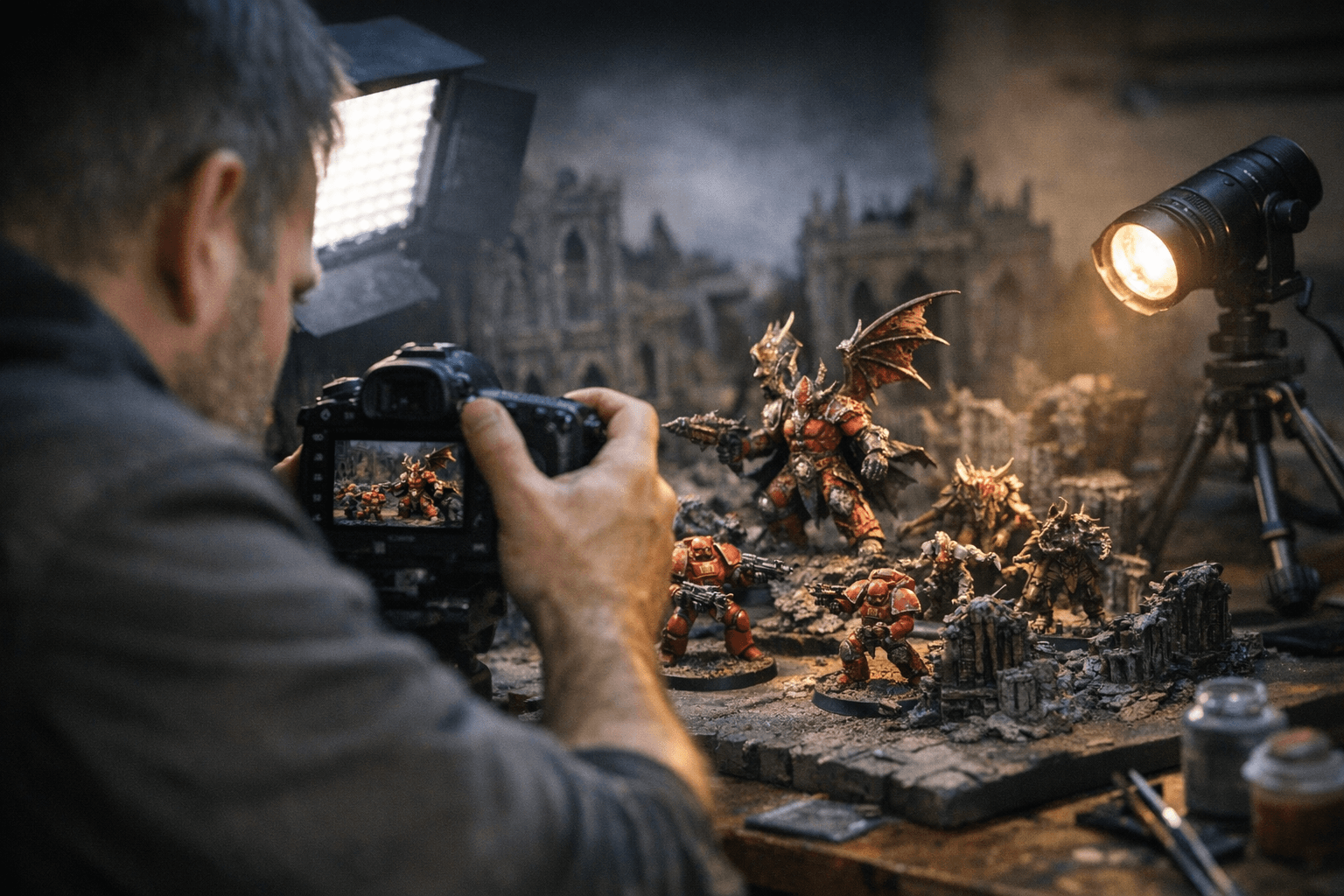
The techniques here are aimed at images suitable for White Dwarf and social sharing, but they also translate to competition entries, commission portfolios and online marketplaces. The community has repeatedly referenced these methods across photography threads because they hit the sweet spot - affordable, reliable, and effective. Even inexpensive lamps and a bit of tracing paper can deliver a step change in how a finished army looks on camera.
The takeaway? Treat lighting and stabilization as your first priorities, then tune aperture and composition for the details you want to show. Test shots and small diffusers will save more time than fancy post-processing. Our two cents? Start with a plain background, two soft lights, and a tripod, then iterate on angle and aperture until your mini looks as good on screen as it does on the painting desk.
This article was produced by Prism’s automated news system from verified source data, official records, and press releases, then run through automated quality and moderation checks before publishing. The system is built and supervised by the people who set the standards it runs under. Read our full AI policy.
Did this article answer your question?