Red Corsairs Face Early 11th Edition Tests in Practical Warhammer 40,000 Games
The latest Red Corsairs reps say 11th edition is already a movement-and-mission game, and early terrain rules are punishing lazy list building.
The first lesson from the Red Corsairs tests
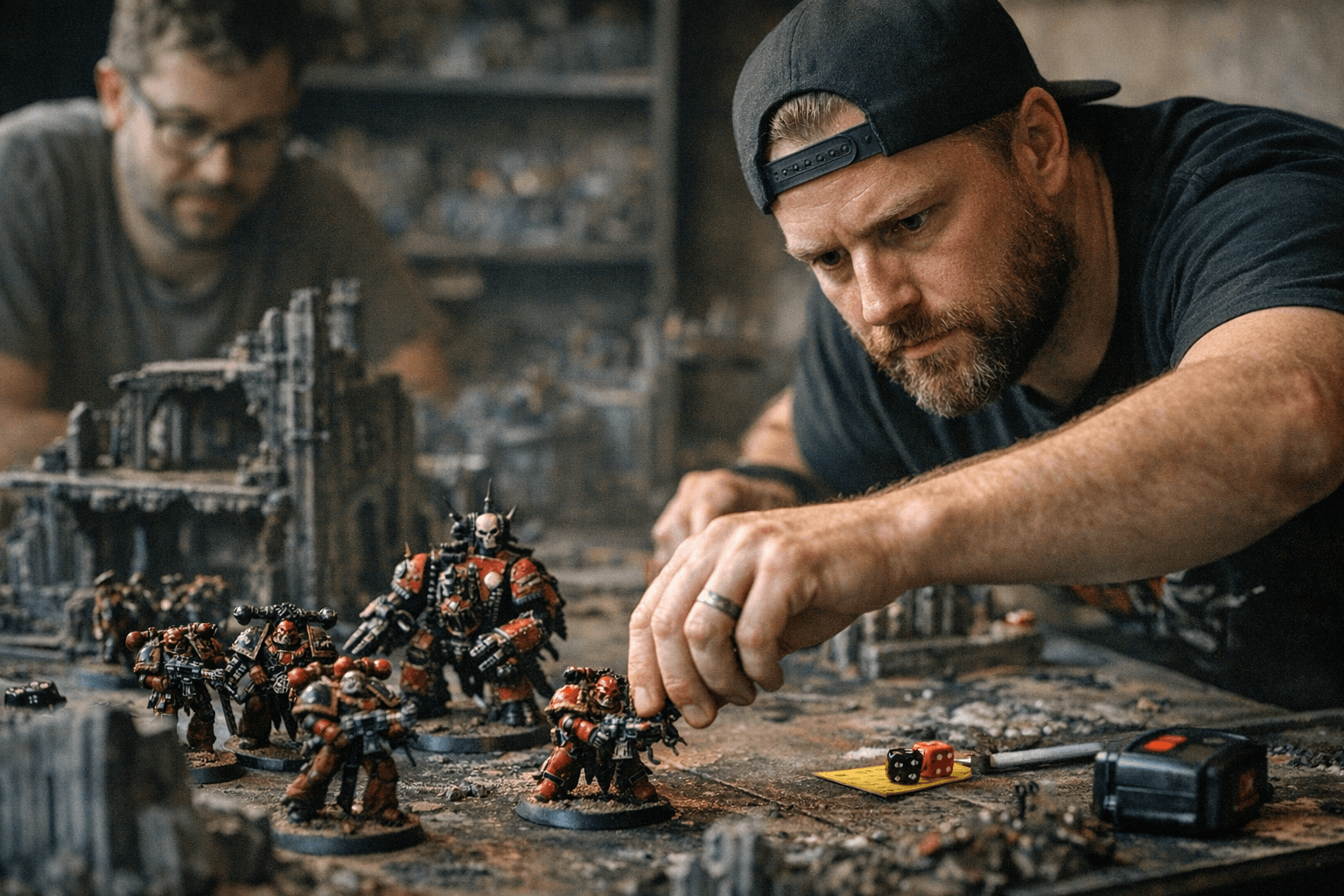
The clearest takeaway from TheChirurgeon’s latest 11th-edition reps is that the new edition is already rewarding table control over tidy theory. The Red Corsairs are being used as a practical measuring stick, not a showpiece, and that matters because the games are exposing which assumptions survive once missions, terrain, and repeated reps all start biting back.
What is holding up is the idea that 11th edition will be decided by how well an army moves, hides, scores, and pressures the table. What is failing is the comforting belief that one standout unit, one obvious detachment trick, or one clever list concept will carry the whole game without careful board play. Part 17 reads less like a victory lap and more like a useful stress test for the habits players are going to need when the edition fully lands.
Why Part 17 matters in the Road Through 2026 series
This latest report is part of Robert “TheChirurgeon” Jones’s long-running Road Through 2026 series, and that context is the whole point. Part 17, published on April 23, 2026, continues a chain of games, list tweaks, and battlefield reps designed to figure out the shape of Warhammer 40,000’s upcoming 11th edition by playing it, not by guessing at it.
That approach has made the series especially useful for competitive readers because it keeps returning to the same core question: what actually works when real missions and real terrain get involved? Instead of declaring a unit or detachment broken, the series keeps stacking small lessons, which is usually how a new edition becomes legible before the wider meta settles. For players who want to know how to think about army building right now, that accumulation matters more than any single highlight reel result.
The Red Corsairs are doing the heavy lifting
The Red Corsairs are the right kind of force for this job because they sit at the intersection of aggression, flexibility, and Chaos Space Marines identity. That makes them a good practical test for whether early 11th-edition assumptions are real or just reveal-week noise. If a force like this can pressure the board, trade efficiently, and still play the mission under the new conditions, that tells you a great deal about what the edition is asking from everyone else.
The value here is not that the Red Corsairs are secretly the definitive answer to 11th edition. The value is that they make the edition talk back. Every game becomes a check on whether the army can reach objectives, keep threats alive long enough to matter, and force the opponent into awkward movement decisions. That is exactly the kind of feedback competitive players need while the game is still being revealed in pieces.
Terrain is already reshaping how 11th edition plays
A big reason the tests are so revealing is that Games Workshop has been releasing 11th-edition rules piecemeal since the AdeptiCon reveal in Milwaukee, Wisconsin on March 26, 2026. Goonhammer’s early coverage said the company was being fairly forthcoming and expected more information to arrive before the June launch window, and the terrain preview quickly showed why that matters.
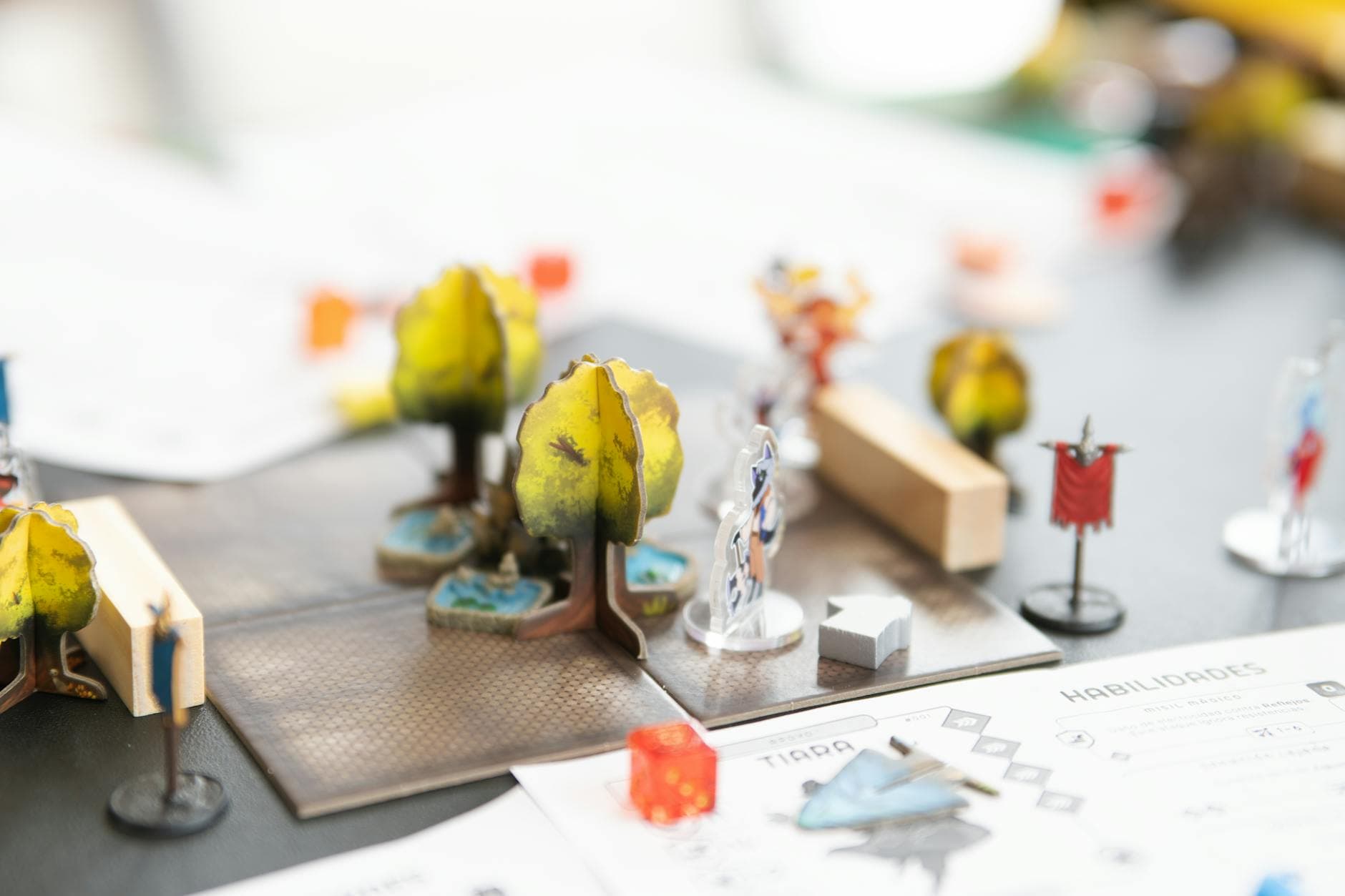
The headline terrain change is brutal in practice. Infantry, Beast, and Swarm models in terrain that have not shot in the current or prior turn are invisible to enemy models unless those enemies are within 15 inches. That immediately changes how safe objective holders are, how far forward shooting units can rely on visibility, and how much value you get from simply occupying the right terrain piece.
Cover is changing the game too. Instead of the older style of improved saves, 11th edition cover imposes a minus 1 penalty to the attacker’s Ballistic Skill. That means the edition is not just about surviving longer, it is about making enemy shooting less reliable at the exact moment they want to clear you off key points. Goonhammer’s examples of the new terrain footprints, including four large rectangles, two large right-angle triangles, four medium rectangles, two long lines, and four short lines, underline how much the board itself is being structured to force different decisions.
The practical lesson for list building
If there is one thing the early testing makes obvious, it is that old habits about list design are not going to carry over cleanly. You cannot just look at damage output and assume that enough raw violence will solve the mission. With visibility, cover, and terrain density doing this much work, armies need pieces that can move through the table, contest space, and stay relevant even when the opponent has sensible terrain positions.
That is why the Road Through 2026 reports are so useful to competitive players. They keep showing that objectives matter, that threats have to survive long enough to score or trade, and that lists need tools for more than one phase of the game. The question is no longer just “what kills best?” It is “what keeps functioning when the table, the mission, and the new visibility rules all start squeezing you?”
How this fits into the wider 11th-edition rollout
Part 17 is not an isolated diary entry. It follows Part 15, published April 9, 2026, which covered 11th-edition curveballs, including Iron Warriors and area mats, and Part 16, published April 20, 2026, which focused on the new layouts and Death Guard Defilers. Together, those pieces show a steady progression from novelty to pattern recognition.
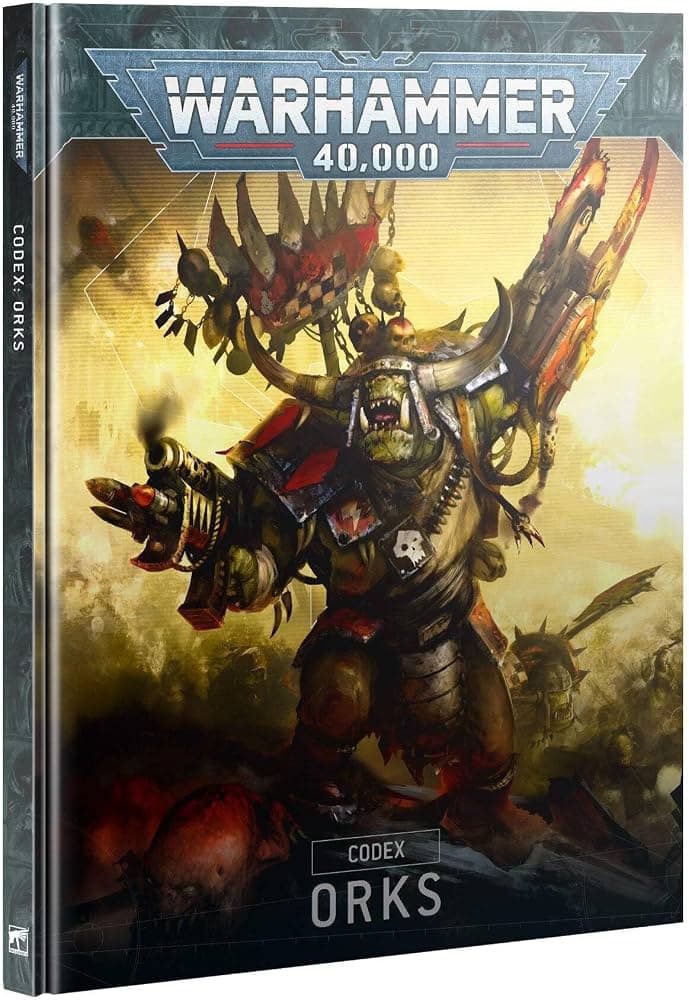
That progression matches the bigger reveal around Warhammer 40,000’s next edition. Games Workshop tied the launch to a boxed set called Warhammer 40,000: Armageddon, and the setting itself is built around a fight on Armageddon involving Orks led by Wazdakka Gutsmek and Imperial defenders, including Space Marines. Goonhammer’s first look framed the reveal as part of the game’s three-year release cycle, but the terrain coverage made one thing especially clear: this is not just a refresh. It is a substantial change in how the game is played.
The practical takeaway is simple. If you are planning for 11th edition, start thinking like the Red Corsairs tests are thinking: not in terms of one perfect answer, but in terms of how your army functions across the table when sightlines are tight, cover matters differently, and the mission rewards disciplined pressure. That is where the edition is already revealing its shape.
This article was produced by Prism’s automated news system from verified source data, official records, and press releases, then run through automated quality and moderation checks before publishing. The system is built and supervised by the people who set the standards it runs under. Read our full AI policy.
Did this article answer your question?