Warhammer 40,000 Space Marines explained, chapters, armor, and tabletop play
Space Marines are still the safest first 40k army, but the real choice is which chapter fantasy fits you best, from codex discipline to cursed heroism.
Warhammer 40,000 keeps pulling new and returning players toward the same answer: Space Marines. They are the game’s most recognizable face, but the real question in 2026 is not whether they are popular. It is which kind of Marine army actually fits the way you want to collect, build, paint, and play.
Why Space Marines still make the strongest first choice
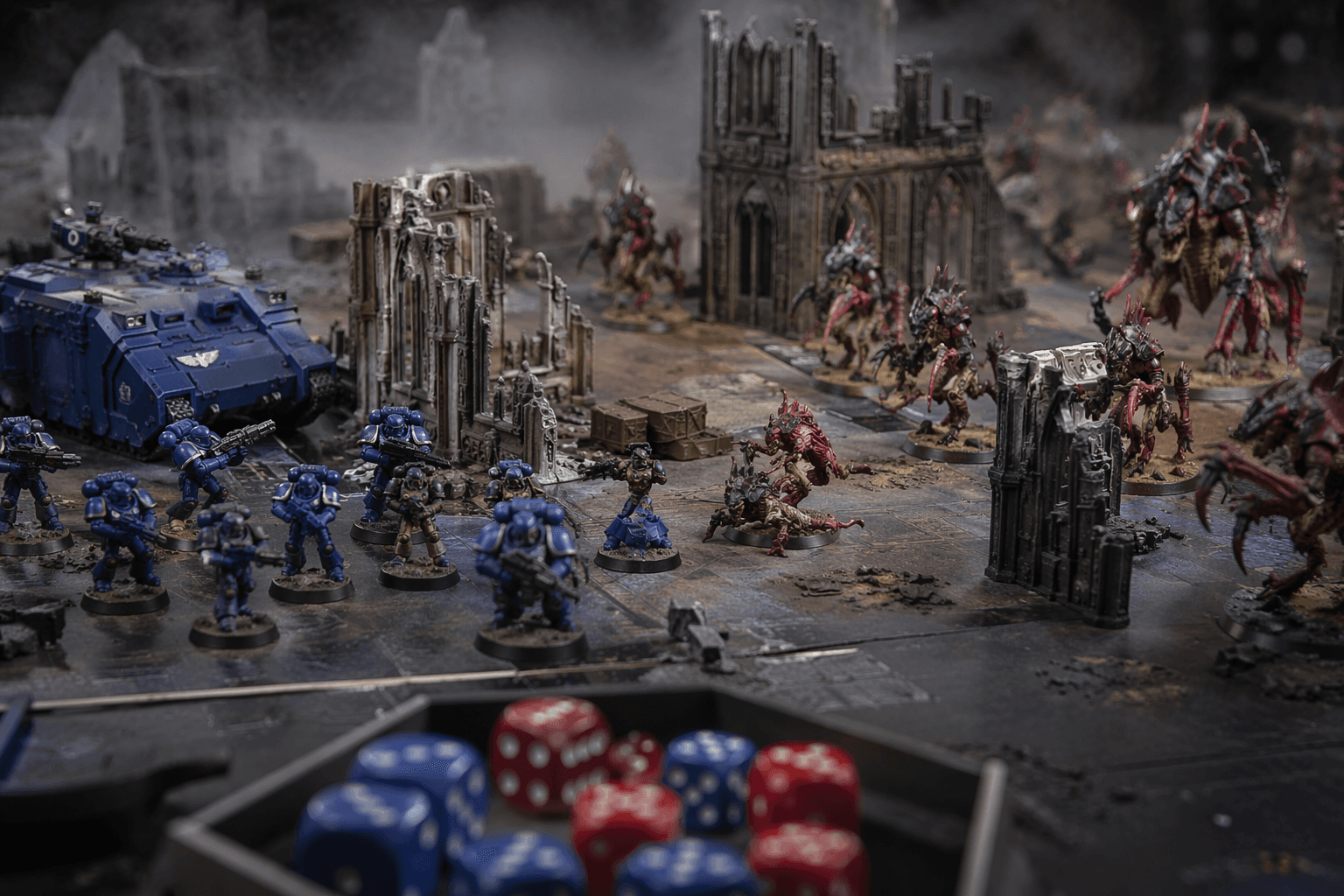
Warhammer 40,000 is officially framed as a tabletop game of intense, tactical miniature battles set in the 41st Millennium, and Space Marines sit right at the center of that experience. The Adeptus Astartes are superhuman warriors of the Imperium, formerly known as the Legiones Astartes, wearing power armour and fighting as Chapter-based strike forces. That combination of clear identity, flexible rules, and strong model support is a big part of why they remain the army most likely to anchor a first collection.
For a newcomer, the appeal is practical as much as it is iconic. Space Marines are supported by a broad range of units, enough chapter identities to suit very different tastes, and a constant stream of official hobby attention. Games Workshop continues to keep the Space Marines hub active, and the faction remains one of the clearest entry points into the setting’s mix of lore, painting, and tabletop play.
What the faction actually is
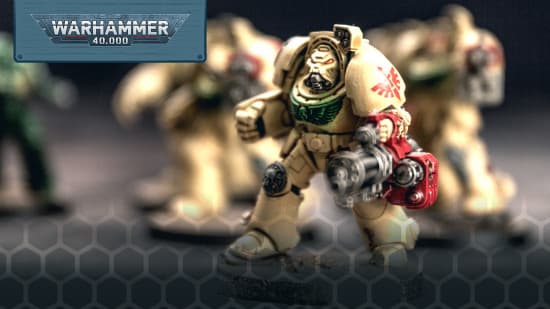
Space Marines are not a single monolith. They are an enormous family of related armies built on the same millennia-old training regimen, even when their battlefield style and iconography differ sharply. Official faction coverage highlights that the Dark Angels, Space Wolves, Blood Angels, Black Templars, and the Deathwatch all draw from the same transhuman foundation, but express it in very different ways on the table and in the lore.
That distinction matters because the “Space Marines” label hides a lot of choice overload. Some players want the disciplined, legion-era feel of the Ultramarines and their successors. Others want the savage bite of the Space Wolves, the zealous crusade energy of the Black Templars, or the brooding nobility of the Blood Angels. If you are deciding on a first army, you are really deciding which version of the Marine fantasy you want to live with for a long time.
Choosing your chapter fantasy
The easiest way to narrow the field is to start with story tone. The Ultramarines are presented officially as exemplars of the Codex Astartes, with successor chapters spread across the Eastern Fringe in the Realm of Ultramar. That makes them the cleanest choice if you want the classic, disciplined, poster-boy Marine look that reflects the setting’s strategic side.
The Blood Angels offer a different pull entirely. They are described officially as noble and honorable, but burdened by a hidden curse, which gives them a tragic edge that sits very well in 40k’s grimdark tone. If you want beauty, heroism, and the sense that something is always threatening to break beneath the armour, that is a strong lane.
Other chapters bring their own identity to the same core chassis. The same base rules and model families can be tuned toward different themes, so the army you build tells a story before a dice is rolled. That is the real Marine advantage: you are not just buying an army, you are picking a sub-fantasy inside a much larger one.
Armor, weapons, and the units that define the look
Space Marines are sold through silhouette as much as statistics. Power armour is the visual signature, but individual units define how the army feels on the table. Warhammer’s starter guidance points to Intercessors as the foundation of many Space Marine armies, which makes them the baseline unit for a reason: they are the practical core around which many collections are built.
From there, the kit ecosystem gives you clear branches. Heavy Intercessors lean into sturdier battlefield presence, while Assault Intercessors signal a more aggressive, close-range approach. Infernus Squads push that even further, with official product pages describing them as close-assault specialists armed with pyreblasters. If you like the idea of Marines as advancing shock troops rather than static gunline pieces, that unit family points you in the right direction immediately.
Retail listings also show how Games Workshop keeps the range approachable. Space Marine boxes routinely include push-fit miniatures and refreshed takes on classic kits, which lowers the friction for building your first force. That matters for first-time buyers, because Marines are often the faction where somebody learns whether assembling and painting an army feels fun or like a chore.
How they play now
The rules side is easier to navigate than it looks, but only if you start from the right source. Warhammer’s downloads page makes clear that its FAQs and errata are the most up-to-date answers for rules questions, which matters because Space Marine rules have continued to change with the current edition structure. Space Marine faction packs were published on 8 June 2026, reinforcing that the faction is still being actively tuned inside the new detachment system.
That is useful for two reasons. First, it means the army you see in older guides or videos may not match the current state of play. Second, it means Space Marines are a living rules ecosystem rather than a frozen beginner army. If you want a faction with ongoing support, regular updates, and clear official pathways into the latest edition, Marines make that transition easier than almost anything else in the game.
How to start without getting overwhelmed
Combat Patrol is the cleanest entry point. Warhammer describes a Combat Patrol-sized army as an ideal way to explore a new faction, and that advice lands especially well for Space Marines because their range can expand in so many directions. A smaller force lets you learn the army’s pacing, identify whether you prefer shooting, melee, or balanced play, and avoid buying into the wrong chapter fantasy too quickly.
- Pick a chapter identity that matches your taste in tone and heroism.
- Build around Intercessors, since they form the foundation of many Marine armies.
- Add one specialty unit, such as Assault Intercessors or Infernus Squads, to see which style you enjoy most.
- Use the latest FAQs, errata, and faction packs before locking in your list.
A good starting path usually looks like this:
That approach keeps the army flexible while you learn what kind of Marine player you are. Some collections will drift toward disciplined battlefield control, others toward crusading aggression, and some will evolve into a mix of both.
Space Marines are still the safest answer for a first 40k army, but that is only the beginning of the decision. The real win is figuring out whether your version of the Adeptus Astartes looks like Ultramarine order, Blood Angel tragedy, or one of the many other chapter identities that make the faction much bigger than a single box of blue armour.
This article was produced by Prism’s automated news system from verified source data, official records, and press releases, then run through automated quality and moderation checks before publishing. The system is built and supervised by the people who set the standards it runs under. Read our full AI policy.
Know something we missed? Have a correction or additional information?
Submit a Tip