Why RTTs Matter, local tournaments build stronger Warhammer 40k players
RTTs are where 40k players learn the real game. Isaac Terada’s case shows local events are the fastest, most practical route from casual tables to serious improvement.
Why RTTs matter
Isaac Terada’s argument is persuasive because it matches how Warhammer 40,000 actually gets learned: not in one giant leap, but through repeated real games under event conditions. Goonhammer’s Start Competing series has spent years pushing the same idea, from an intro to tournaments to practice for first events, and RTTs sit right in that lane as the point where casual play starts turning into discipline.
The modern competitive scene already treats smaller events as part of the structure, not an afterthought. Warhammer Community’s Tournament Companion is built to keep play “fun, fair and consistent,” and its current competitive materials include 20 mission combinations for tournament matches. The latest organised play season is also designed for events with up to 32 players, which is a pretty clear signal that local, manageable events are part of the official competitive ecosystem, not a side hobby inside the hobby.
RTTs fit the life of a normal player
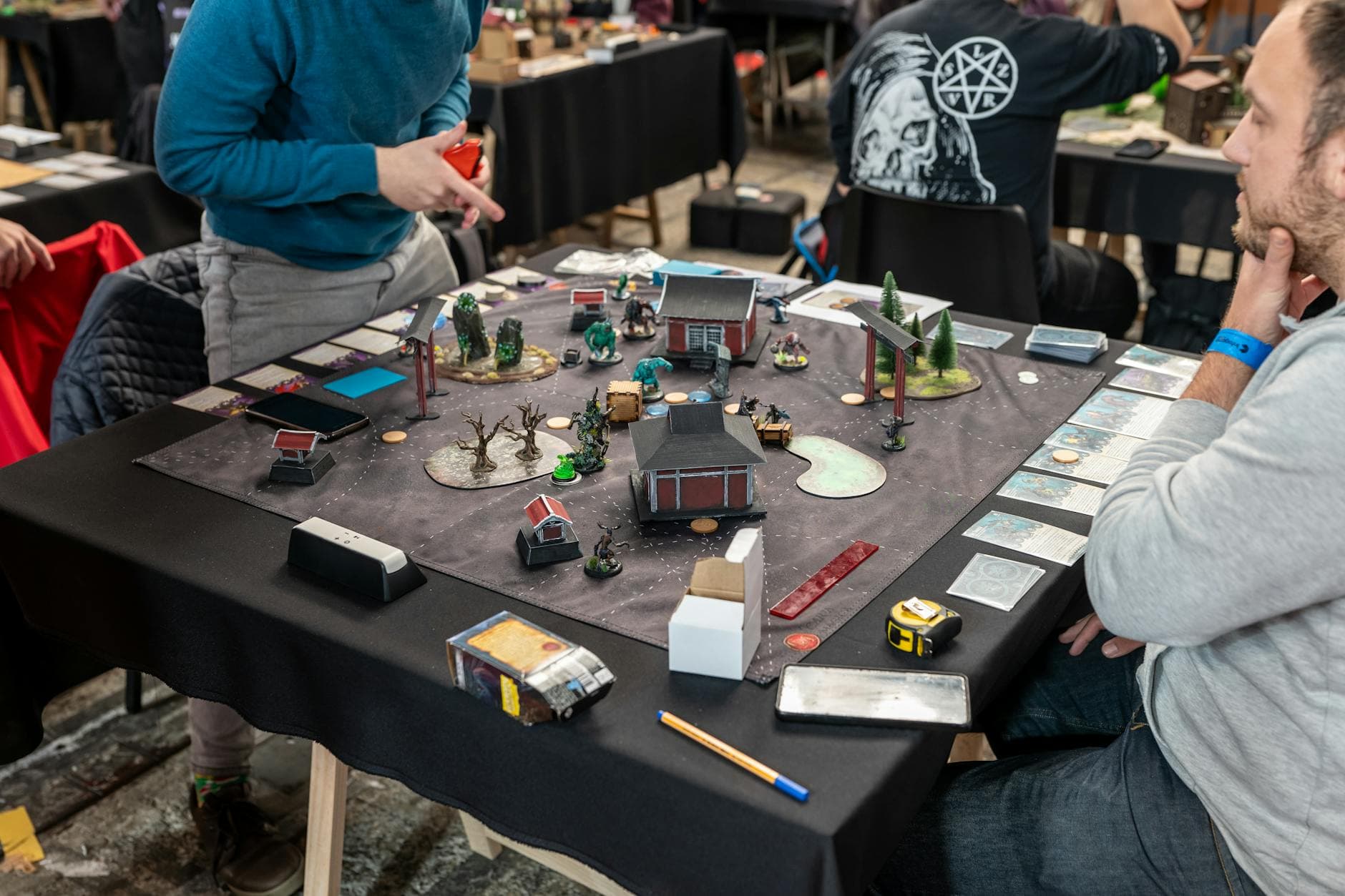
The first reason RTTs matter is simple: they fit. Best Coast Pairings describes an RTT as a short-format Warhammer 40,000 event, typically three rounds of matched play in a single day, and plenty of listings use 2,000-point armies. That means you can get a genuine competitive experience without turning your entire weekend into a travel and hotel project.
For a regular player, that changes what improvement looks like this month. Instead of waiting for the “big event” on the calendar, you can book one day, bring the list you already own, and get three games that actually count for standings. That is a much more realistic on-ramp for anyone balancing work, family, and the rest of a normal hobby schedule.
RTTs force repetition, and repetition is where improvement lives
Terada’s larger point is that smaller events are not lesser events, they are the place where habits get built. A casual game can show you whether your army was fun. An RTT shows you whether your deployment, movement, target priority, and mission choices survive contact with another competent player who is also trying to score.
That is why the Start Competing archive has mattered for so long. It is not just about understanding tournaments in the abstract. It is about preparing for the exact kind of pressure that comes from sitting across from a real opponent, with a clock ticking and a mission packet demanding decisions turn after turn.
What this changes for a regular 40k player this month is straightforward: pick one list and run it more than once. RTTs reward the player who learns from round one and applies that lesson in round two, not the player who keeps swapping units every Friday because the internet said something looked cooler yesterday.
RTTs teach clock pressure before clock pressure teaches you
A lot of players first discover how quickly small mistakes become large ones when the round clock starts mattering. Deployment errors, slow sequencing, and hesitation in mission play are easier to recover from in a casual pickup game. In an RTT, they become part of the score, which is exactly why the format is so useful as a training ground.
That matters in the current rules environment because Warhammer 40,000 continues to evolve quickly. The latest competitive season uses the Chapter Approved 2025-26 Mission Deck, and the tournament tools around it are meant to support event organisers who are running live games against the same mission structure. RTTs give you a low-stakes place to learn that structure before you hit a bigger event where every missed secondary and every late turn is more expensive.
This month, the takeaway is to practice like you expect to play. Put a clock on your casual games, rehearse deployment, and make mission decisions out loud. The player who is comfortable making good decisions quickly has a massive edge when the room gets noisy and the round timer starts shrinking.
RTTs connect you to the current mission packet instead of theoryhammer
One of the hidden strengths of RTTs is that they let you test ideas against the actual missions, not against imaginary versions of the game. Warhammer Community’s tournament guidance is built around current organised play materials, and its latest downloads are shaped by feedback from the community, playtesters, and the studio design team. That means local events are not just consuming the rules, they are helping pressure-test them.
For players, that turns a small event into a very practical lab. You can see whether your army still functions when the mission deck changes, whether your list has enough tools for late-game scoring, and whether your supposed answer to a tough matchup works outside of a theory discussion. The result is a more grounded kind of preparation than chasing list chatter online.
What this changes for a regular player this month is the way you evaluate your army. Stop asking only whether a list looks efficient on paper. Start asking whether it can handle three real rounds, on current missions, against different archetypes, with no room to hand-wave the rough spots.
RTTs keep the local scene alive
The last reason Terada’s case matters is social as much as competitive. RTTs are the events that keep store calendars full, keep local organisers practicing, and keep the scene warm between larger tournaments. When Warhammer Community talks about fun, fair and consistent event play, it is describing a whole ecosystem that only works if local attendance stays healthy.
That is where RTTs do the quiet work. They create the first serious competitive experiences for newer players, they give experienced players a place to sharpen edges without a major travel commitment, and they give stores a reason to keep supporting tournament infrastructure. Larger events depend on that base, even if the spotlight usually lands somewhere bigger.
For a regular 40k player, the monthly impact is simple and immediate. Showing up to an RTT is not just about chasing a podium. It is how you become part of the network that makes serious play possible at all.
The practical truth
RTTs matter because they sit exactly where most improvement actually happens. They are affordable enough to repeat, structured enough to teach real habits, and official enough to matter inside the wider Warhammer 40,000 competitive season. Terada’s case, and Goonhammer’s long-running Start Competing philosophy, both point to the same conclusion: if you want to get better at 40k, local tournaments are not a detour. They are the road.
This article was produced by Prism’s automated news system from verified source data, official records, and press releases, then run through automated quality and moderation checks before publishing. The system is built and supervised by the people who set the standards it runs under. Read our full AI policy.
Did this article answer your question?