10 Essential Woodturning Tips to Keep Beginners Safe and Skilled
Sharp tools, proper stance, and smart habits can mean the difference between a great first project and a trip to the ER.
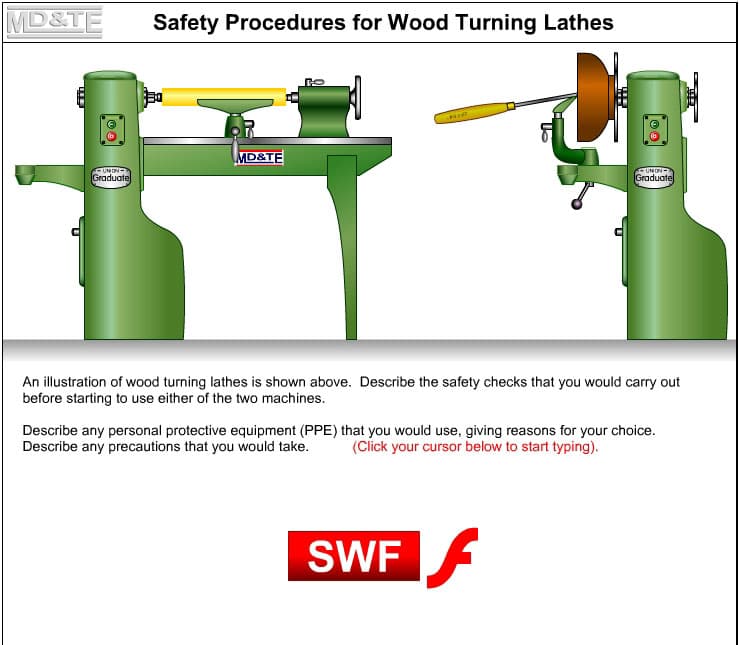
Stepping up to a lathe for the first time is equal parts thrilling and humbling. The wood spins, the tool engages, and suddenly you're shaping something from nothing. But woodturning also has a steep learning curve with real consequences if you skip the fundamentals. The team at Wooden Edge Studios distilled that curve into ten practical, prioritized tips aimed squarely at beginners who want to build genuine skill without losing fingers in the process.
Start with proper personal protective equipment
Before a single chip flies, eye and face protection are non-negotiable. A full face shield offers far better coverage than safety glasses alone, because woodturning throws debris in unexpected directions. Hearing protection matters too, especially during longer sessions when lathe noise accumulates into real decibel exposure. Getting into the PPE habit from your very first turning means it never feels optional later.
Understand your lathe before you turn it on
Familiarity with the machine is its own form of safety. Know where the speed controls are, how to engage and disengage the tailstock, and how to lock the tool rest securely before the spindle ever starts moving. Running your hand along the ways, checking that the faceplate or chuck is fully seated, and confirming the tool rest is clear of the workpiece takes about thirty seconds and prevents the majority of beginner accidents. Treat the pre-flight checklist as ritual, not suggestion.
Use sharp tools, always
Dull tools are one of the most dangerous conditions in woodturning, not just one of the most frustrating. A sharp edge cuts cleanly and requires far less pressure, which means you stay in control of the cut rather than forcing the tool and inviting a catch. Learning to sharpen on a bench grinder with a simple jig is a foundational skill every turner needs alongside the turning itself. The moment a tool starts dragging instead of slicing, stop and sharpen before continuing.
Control your speed
Lathe speed is not a set-and-forget dial. Larger diameter blanks demand slower speeds because the rim of the workpiece is travelling far faster than the center, and the forces involved scale quickly. A general starting point for roughing is to keep speed conservative until the blank is balanced and round, then gradually increase as the form tightens. Beginners often run too fast too soon; the instinct to crank up the RPMs actually reduces control and amplifies every mistake.
Master the tool rest position
Where you set the tool rest relative to the workpiece fundamentally shapes every cut you make. The rest should be close enough to support the tool without rubbing the wood, typically just a few millimetres from the surface, and set at a height that lets you work at or slightly below center on most spindle cuts. Repositioning the rest as you remove material is a discipline beginners frequently skip, but doing so keeps your tool angle consistent and your cuts predictable.

Learn to read the grain
Wood grain direction dictates whether a cut will be smooth or catastrophic, and learning to read it before the tool touches the spinning blank is a genuine skill. Cutting "downhill" with the grain produces clean shavings; cutting against it tears fibers and can cause catches that yank the tool from your hands. On bowls, this means working from the rim toward the center on the inside, following the natural slope of the grain. Developing this awareness early will save you hours of sanding and prevent some genuinely startling surprises at the lathe.
Keep a solid, balanced stance
Your body position at the lathe is not incidental to safety; it is central to it. Stand with your feet shoulder-width apart, slightly offset so you're not directly in line with the spinning blank, and keep your weight balanced so you can brace against tool pressure without lurching. Hunching over or reaching awkwardly to complete a cut is a common beginner error that leads to both poor technique and fatigue-driven mistakes. Let your body move with the tool rather than locking yourself into one rigid position.
Start with forgiving wood species and blank sizes
Not all wood is beginner-friendly, and starting with a punishing blank can undermine confidence before technique has a chance to develop. Softer, relatively clear species like pine, cherry, or dry maple reward good form and are far more predictable than highly figured burls or wet exotics. Keeping early blank diameters modest, say under six inches, also reduces the physical forces involved and makes it easier to practice fundamental cuts without fighting the material. Success with simple stock builds the foundation for more ambitious projects.
Understand catches and how to recover
A catch, when the tool digs in and is grabbed by the spinning wood, is something almost every turner will experience. Understanding why catches happen (wrong bevel angle, tool lifted above center, too aggressive a cut) is what separates turners who learn from them and those who keep repeating them. The correct response is to immediately relax your grip slightly rather than clamp down, which counterintuitively gives you more control in the moment. Practicing deliberate, light cuts and studying bevel contact will reduce catches dramatically over time.
Practice consistently and build incrementally
Skill in woodturning compounds with repetition in a way that theory alone cannot replicate. Spending regular time at the lathe, even short sessions working on a single technique like a cove or a bead, builds muscle memory faster than infrequent marathon sessions. The Wooden Edge Studios guide emphasizes prioritization: work through foundational techniques in sequence rather than jumping to complex forms before the basics are solid. That disciplined, incremental approach is what transforms a nervous beginner into a confident, capable turner who keeps all ten fingers intact.
This article was produced by Prism’s automated news system from verified source data, official records, and press releases, then run through automated quality and moderation checks before publishing. The system is built and supervised by the people who set the standards it runs under. Read our full AI policy.
Did this article answer your question?