BBC's I Made It at Market Revisits Wiltshire Woodturner Lucinda's Craft Journey
Dom Chinea takes the financial reckoning to Wiltshire woodturner Lucinda's own studio on BBC One's 10 April episode, four years after her 2022 'Make It at Market' bootcamp.
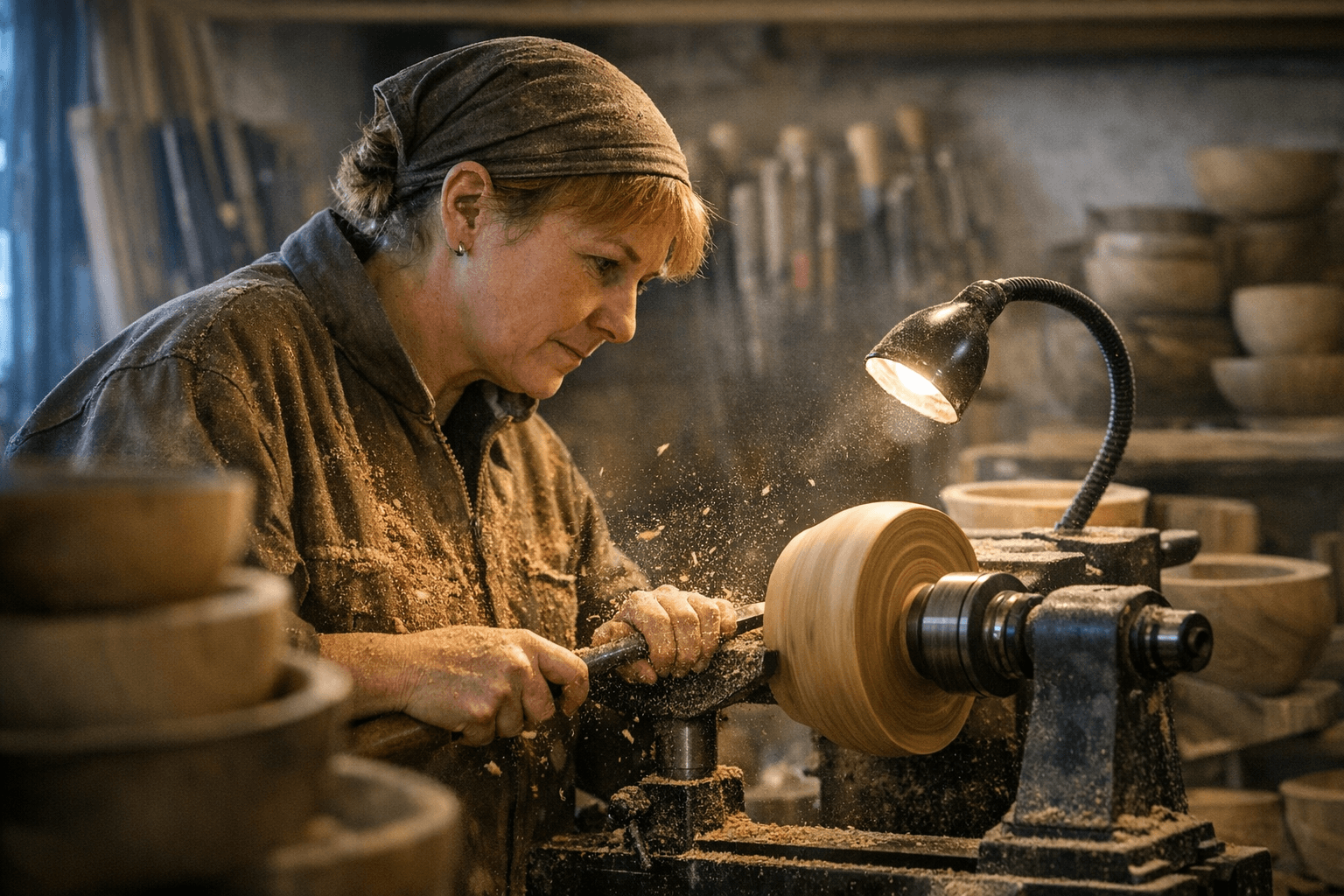
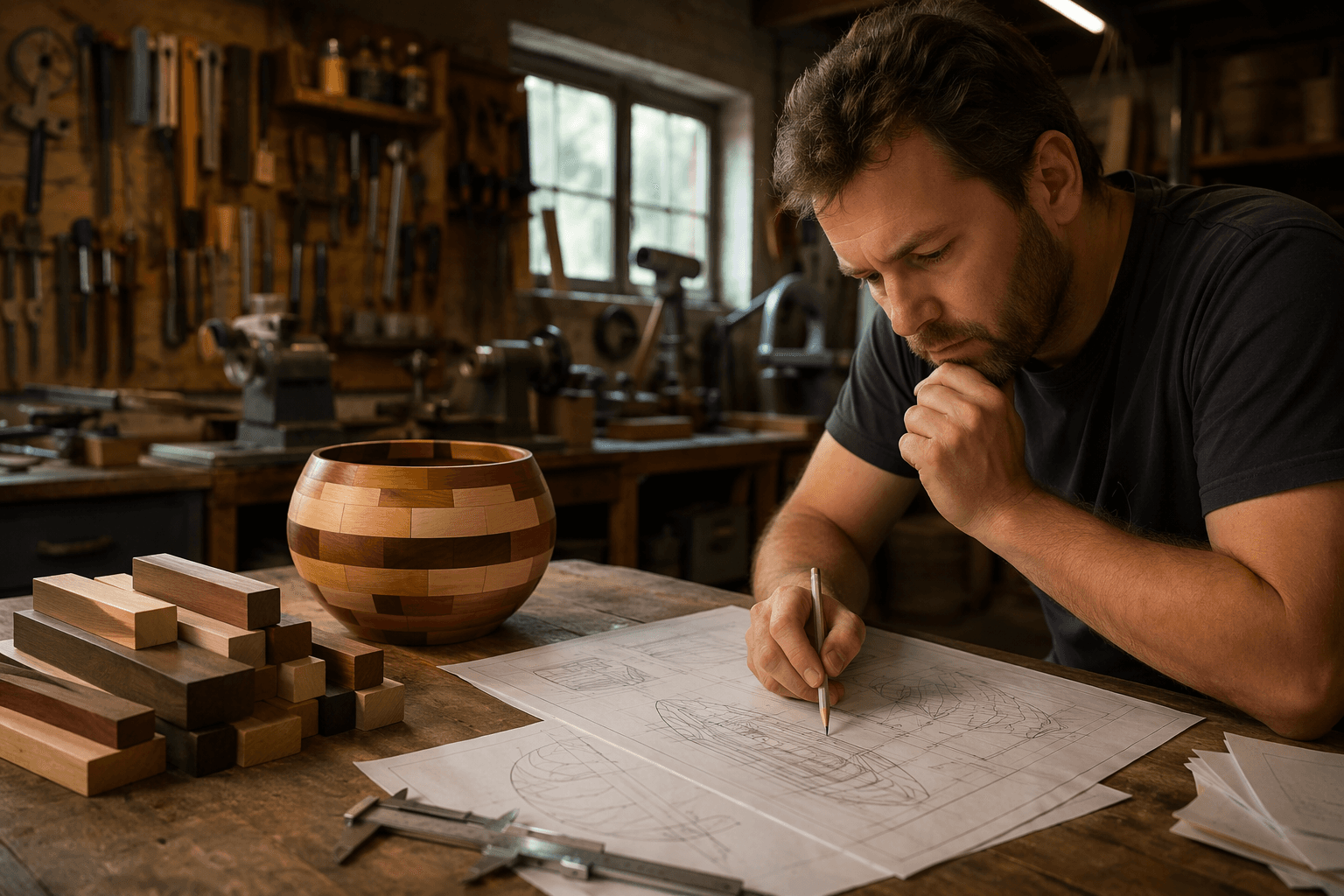
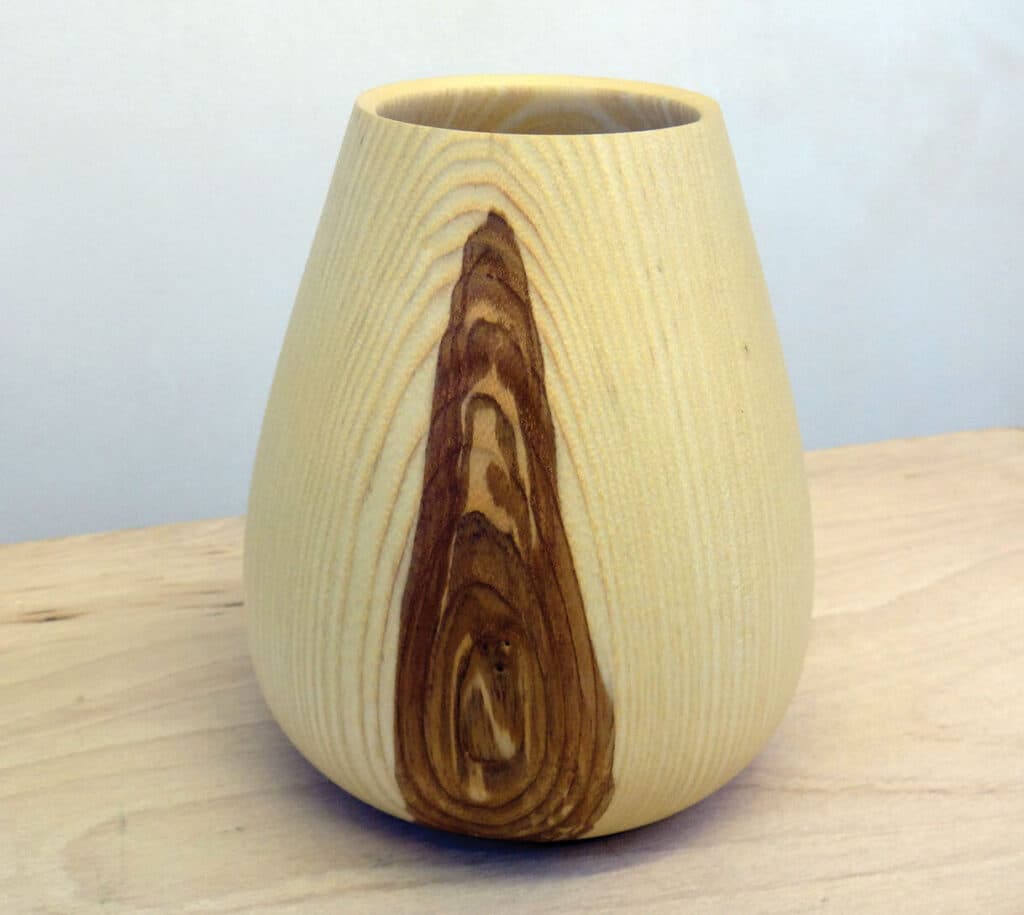
Four years after attending the original "Make It at Market" bootcamp, Wiltshire woodturner Lucinda will face the question that haunts every hobbyist who has ever priced a finished piece: has the passion held up as a business? BBC One's "I Made It at Market" delivers that reckoning on Friday 10 April, when presenter Dom Chinea visits Lucinda in her own workspace rather than on camera-ready sets.
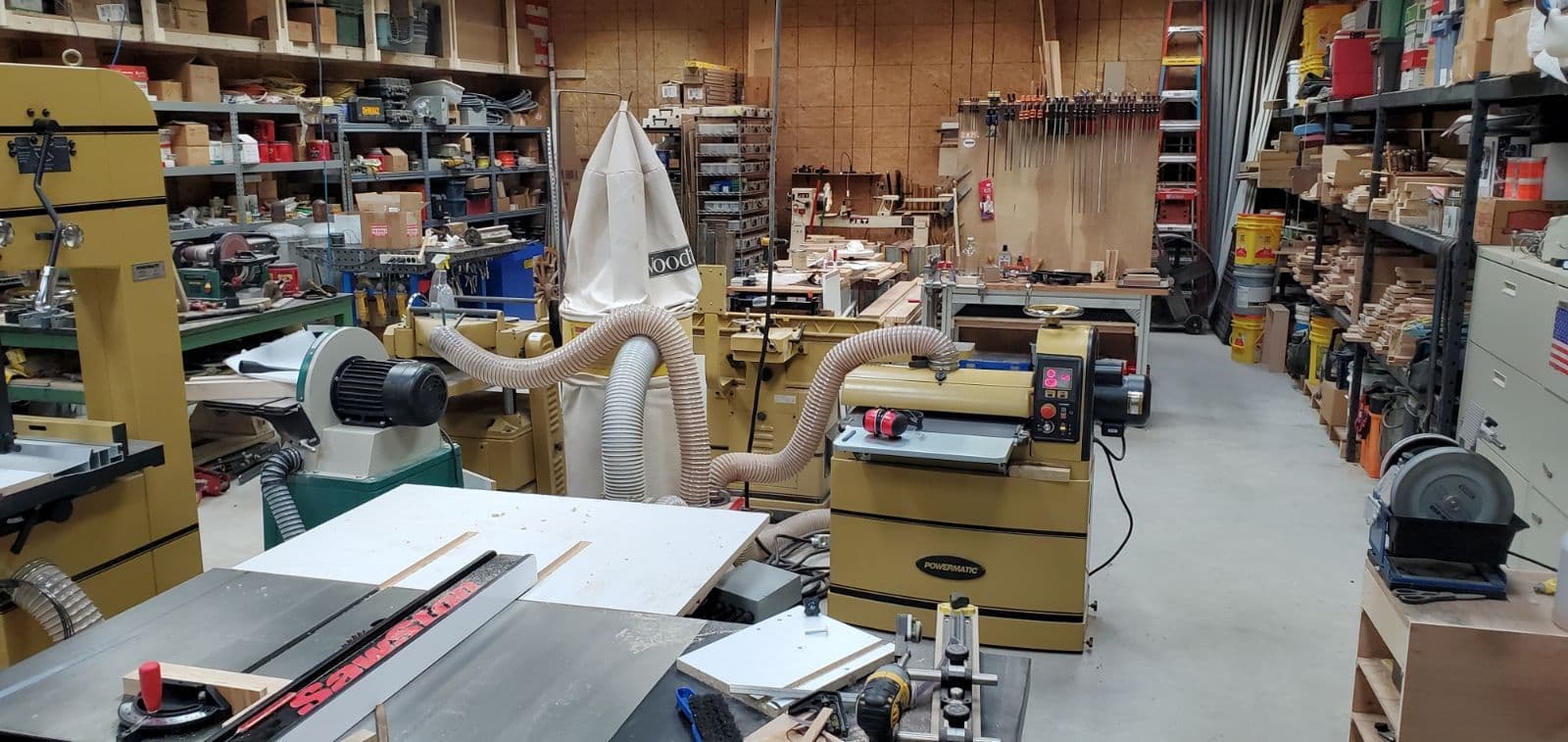
The distinction in format is deliberate. The original "Make It at Market," which first aired on 2 January 2023 and was filmed at Stoneywell, a National Trust-managed Arts and Crafts cottage in Ulverscroft, Leicestershire, put hobbyists through an intensive bootcamp in the Makers' Marquee. The reunion strand works differently: Chinea goes to makers' home studios and asks harder questions. How much is Lucinda earning? What does her production workflow actually look like four years on? Have her pricing decisions covered wood blanks, sharpening consumables, lathe wear, and the hours at the machine?
Lucinda shares the episode with Alex, a blacksmith who attended the same 2022 cohort. The pairing carries a kind of honest symmetry. Both turning and blacksmithing produce durable objects buyers keep for decades, and both crafts demand a patience and physical skill that resist shortcuts. Whether those qualities command prices that sustain a maker is the show's central challenge, and it cuts closest to turners: a piece priced on materials alone never covers the time, and turning is not a fast process.
The 10 April instalment will be the earliest-cohort episode in the current reunion run, which opens on 7 April with stained-glass artist Emily (2023 bootcamp) and maker John (2024 bootcamp). Across the three cohorts, the series becomes an unscripted case study in what survives when hobbyist enthusiasm meets market reality, produced by Flabbergast TV Ltd for BBC One Daytime. Stoneywell itself was designed by Arts and Crafts architect Ernest Gimson as a country residence for his brother, Leicester industrialist Sydney Gimson, lending a historically resonant backdrop to a show about the economic life of skilled handcraft.
Chinea is well placed to press those questions. He rose to prominence on the BAFTA-winning "The Repair Shop" in 2017, runs his own metalworking company Ranalah Ltd, and since 2024 has served as co-foreman alongside Will Kirk following Jay Blades' departure. His own pivot from graphic design to metalwork restoration mirrors the kind of career reorientation "I Made It at Market" tracks in others.
The broader market gives Lucinda's story real stakes. UK consumers purchased almost 25 million handcrafted objects in 2019, driving craft sales past £3 billion, according to Crafts Council data. The industry employs over 43,000 people across 11,620 businesses, and an estimated 10.3 million Brits now buy craft online, a figure that more than tripled in the decade to 2019. Lucinda's episode will offer one more data point on whether a Wiltshire turner found her corner of that market, and whether the lathe is still running.
This article was produced by Prism’s automated news system from verified source data, official records, and press releases, then run through automated quality and moderation checks before publishing. The system is built and supervised by the people who set the standards it runs under. Read our full AI policy.
Did this article answer your question?