Green Bamboo Transforms Into Stunning Turned Vessel on the Lathe
A short video feature showcases a woodturner transforming green bamboo into a finished vessel, spotlighting one of turning's most technically demanding materials.
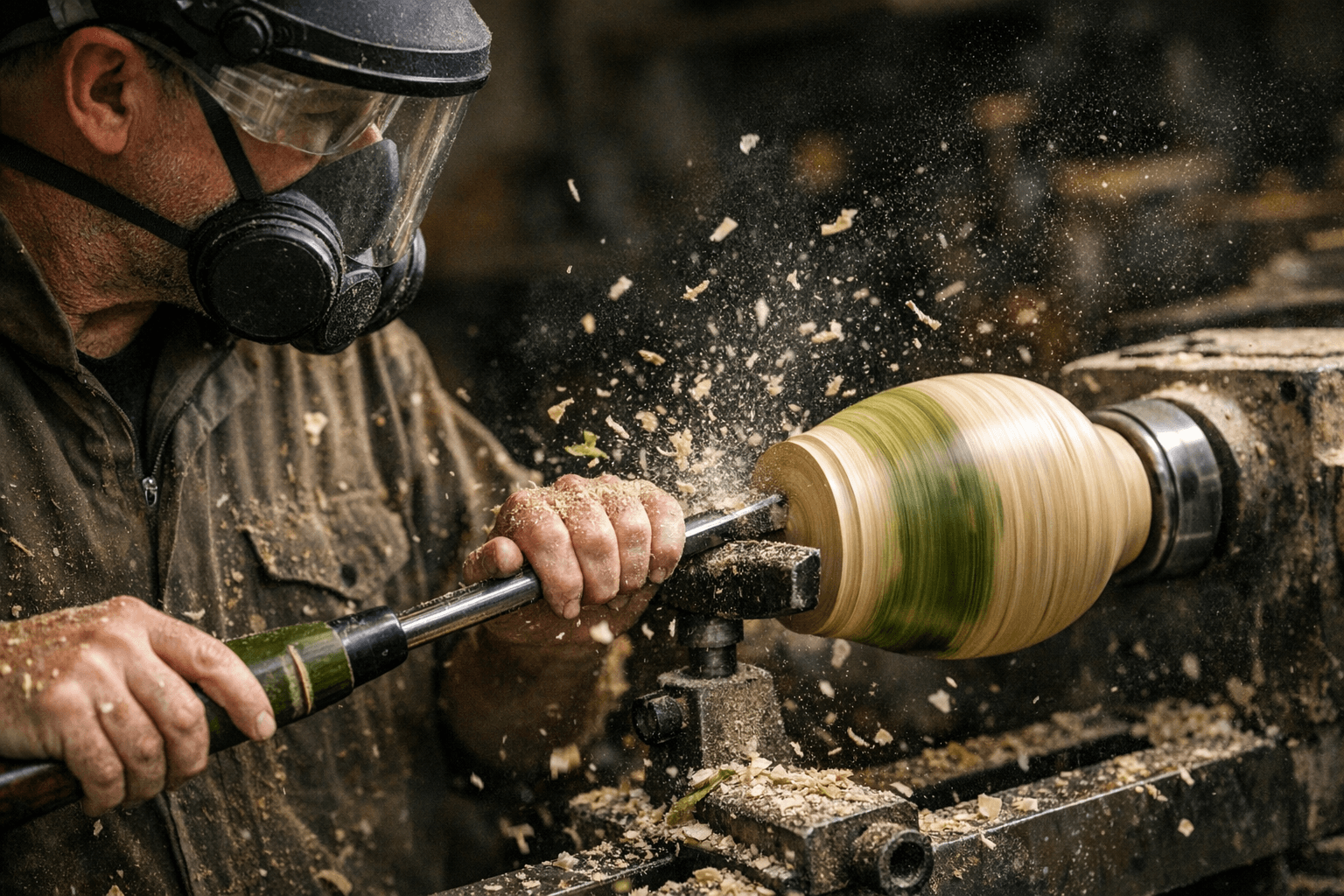
Bamboo rarely makes it onto the lathe. Most turners reach for walnut, cherry, or maple when they want something beautiful and reliable; bamboo, a grass not a hardwood, sits in a different category entirely, one that rewards patience and sharp tools in equal measure. A short video feature released March 17 captures exactly that challenge, showing a woodturner working a piece of green bamboo on the lathe and coaxing it into a finished bowl or vessel.
The appeal is immediately obvious on screen. Green bamboo carries a vivid, almost luminous color and a smooth outer skin that no conventional turning blank can replicate. But the material's structure is the thing that separates it from a typical turning session. Bamboo cuts nicely, but the cuts have to be made angling across the vertical structure. Just like woodturning, the cuts have to be across the fibers. Any cut parallel to the fiber will have more of a splitting than cutting action, producing tear-out.
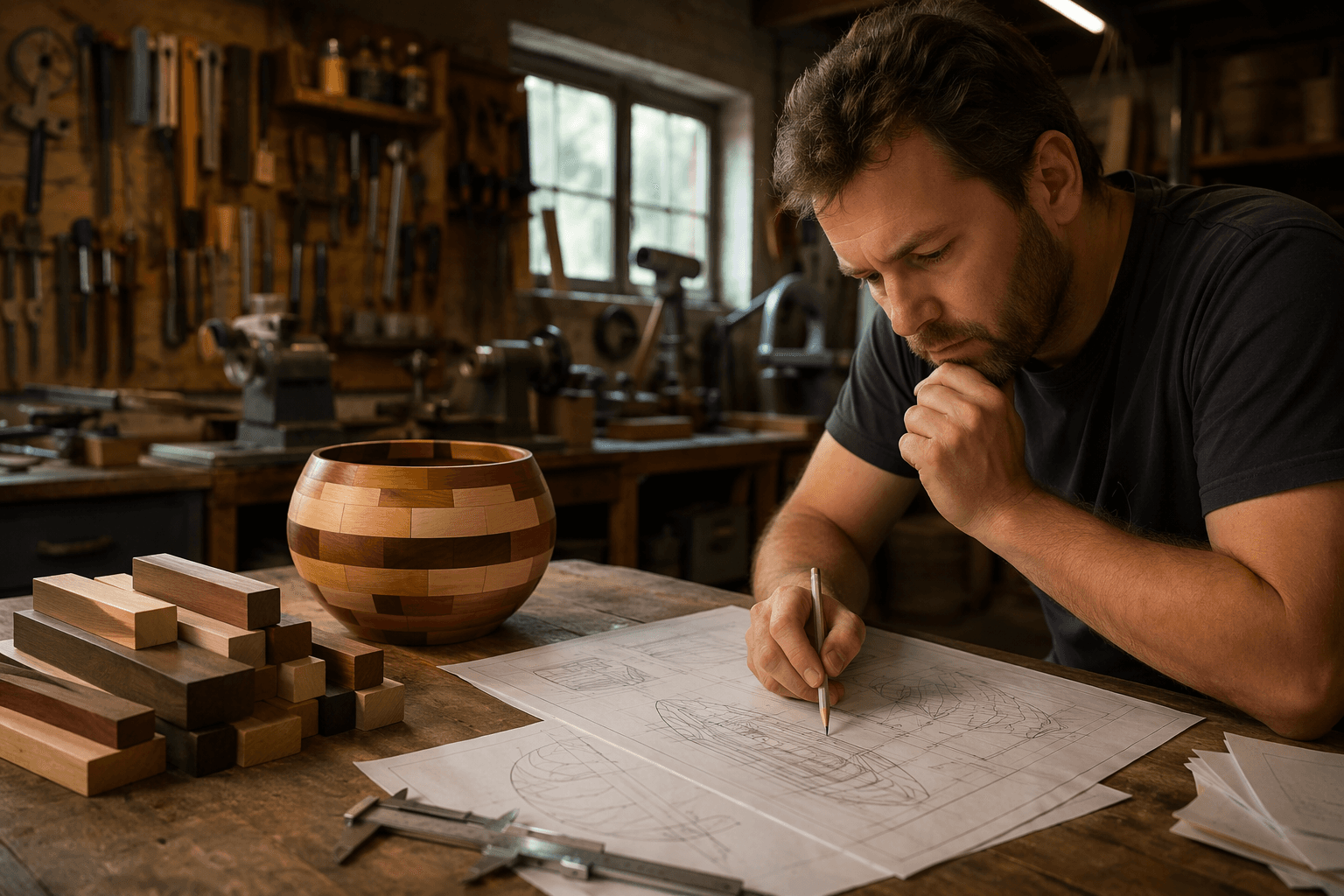
That fiber behavior is only part of the story. Bamboo's hollow culm walls mean that turning a solid vessel directly from a single stalk is rarely practical. Timber bamboo has fairly thick walls for grass, so you have to laminate it up for anything of any size. "Plyboo" is cross laminated, and there are also sheets up to half an inch thick that are laminated and can be glued together for thicker pieces. A laminated bamboo blank gives the turner the mass needed to chuck up properly and work cleanly through the hollowing process.
Once mounted, the turning itself unfolds much like any green-wood project, except the material fights back harder. Bamboo has long fibers, smells like hay, and can tear out long strips if you aren't careful. It sands well, glues up well, and takes finish well. Sharp bowl gouges are non-negotiable: bowl gouges are a must because they cut and slice the wood, while scrapers tend to cause tear-out.
Wall thickness management also demands extra attention when working green material. For green-wood natural-edge bowls, the best results come from turning walls to less than three-eighths or even one-quarter of an inch. Not only are thinner walls more attractive, but there is less potential cracking as the wood dries. Thinner walls are very flexible and tend to reshape themselves rather than split.
The finished piece in the video demonstrates what makes bamboo worth the extra effort: a vessel that reads as both familiar and genuinely exotic, its green tones and tight laminate lines producing something no bowl blank bin can supply. For turners looking to push past conventional species, it is a compelling argument for raiding the garden shed.
This article was produced by Prism’s automated news system from verified source data, official records, and press releases, then run through automated quality and moderation checks before publishing. The system is built and supervised by the people who set the standards it runs under. Read our full AI policy.
Did this article answer your question?