Minnesota Woodturners Association builds a full learning hub for turners
Minnesota Woodturners runs like a whole shop floor: meetings, classes, archives, Splinter Groups, and service projects that move a turner from first cuts to giving back.
A complete learning hub, not just a calendar
Minnesota Woodturners Association has built something bigger than a monthly meeting. It works like a full woodturning ecosystem, where a beginner can show up for a demo, come back for a class, get help in a small group, and eventually contribute to community projects that put turned work into the world.
That structure is part of its identity. MWA says it is a Minnesota nonprofit 501(c)(3) with a mission to foster and encourage a wider understanding and appreciation of woodturning as both a craft and an art form. Its members range from interested beginners to professional turners, which tells you the organization is designed to serve every stage of the journey, not just one slice of the lathe crowd.
How the monthly meeting opens the door
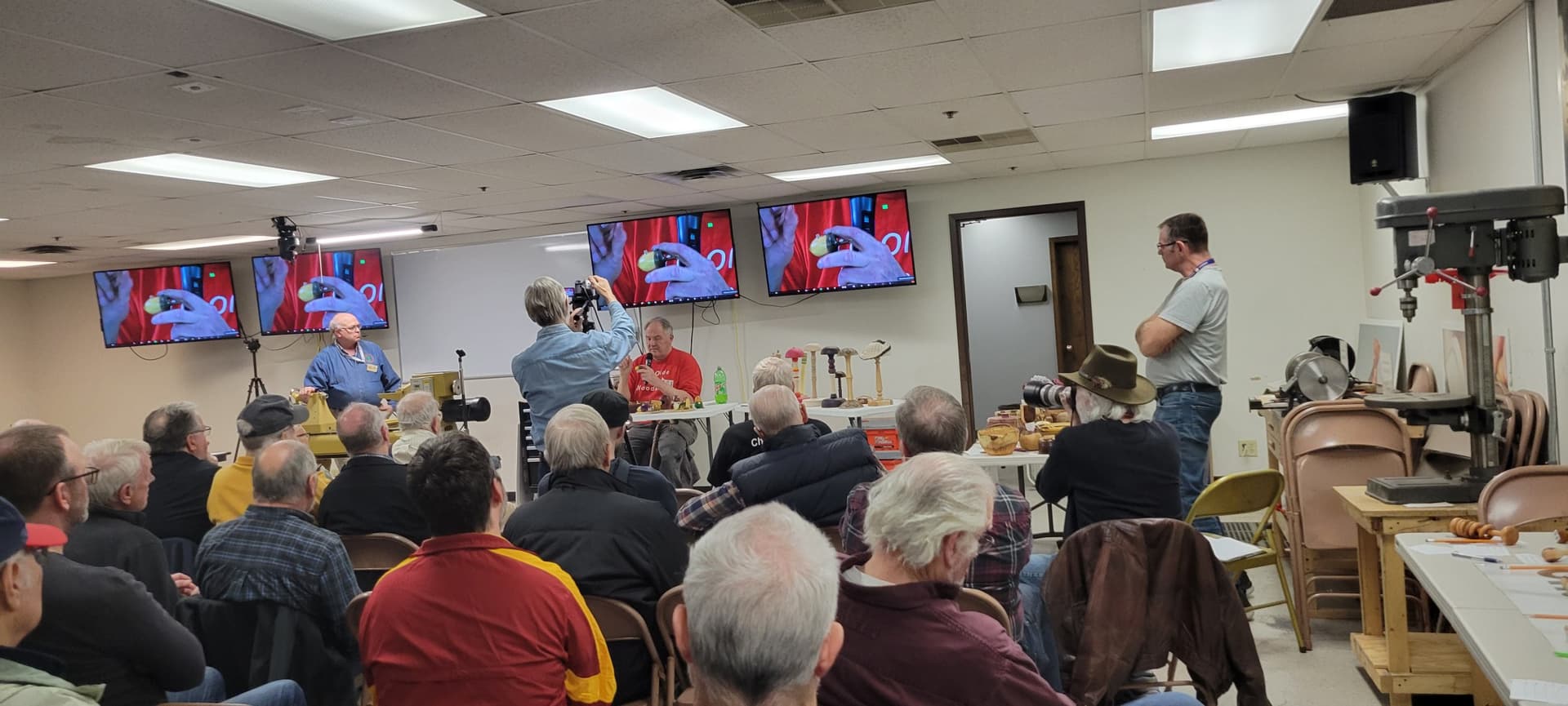
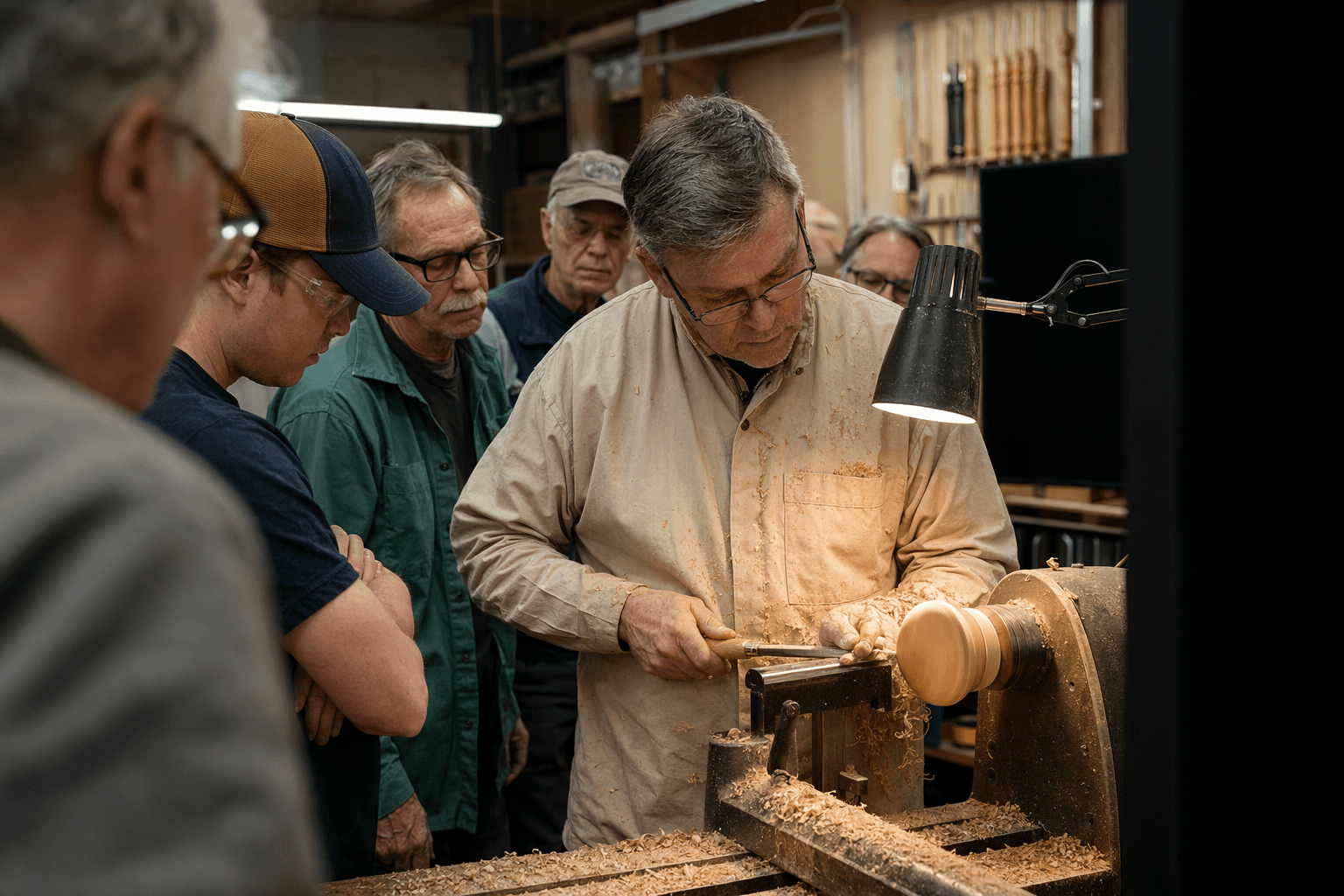
The first Saturday of the month is the anchor point. Doors open at nine for coffee and donuts, then come brief announcements and a main demonstration that begins around 10:00 a.m., a rhythm that makes the meeting feel both social and practical.
MWA also extends that access beyond the room itself. Meetings are streamed live and archived for members who cannot attend in person, which matters for turners who travel, work weekends, or want to study a demo twice. The demonstration range is broad enough to keep the club fresh: simple bowls, lidded boxes, baby rattles, flutes, and other projects that show woodturning as both utility and expression.
The mix of demonstrators helps too. MWA brings in both members and outside professionals for meetings and related classes, so the program is not limited to one voice or one style. That variety gives the group the feel of a working studio network, not a passive lecture series.
Where the real instruction happens
The class program is where MWA turns curiosity into skill. Classes are open to all experience levels and cover bowl making, spindle turning, specific techniques like skew chisel use, and sharpening, which is often the difference between frustration and steady progress at the lathe.
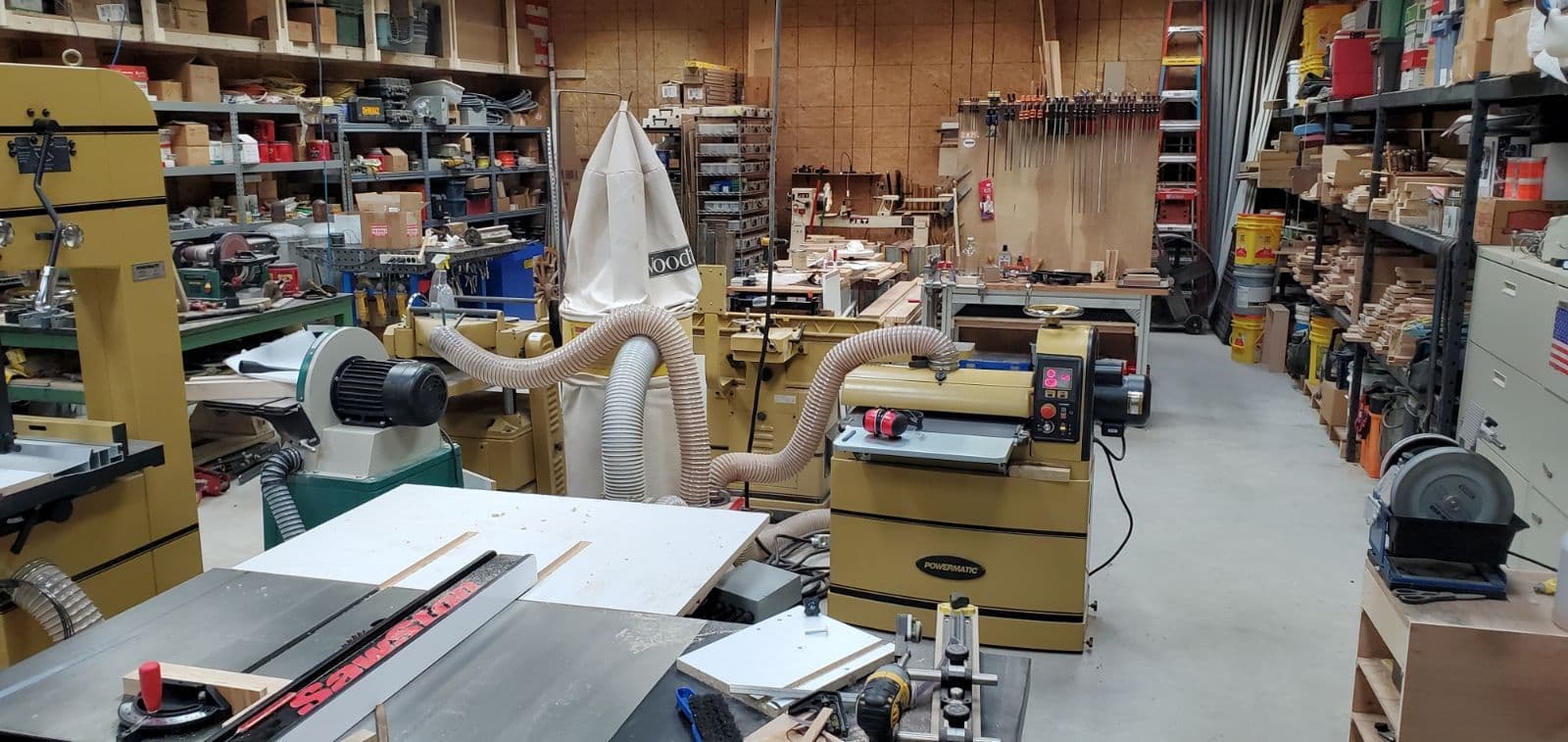
Classes are held at Houck Machine Company in Plymouth, Minnesota, giving the association a fixed educational base in the western metro. That is a meaningful detail for a turner trying to plan a learning path, because it means the club’s teaching is not theoretical or occasional. It is rooted in a regular place where tools, methods, and people meet.
The education does not stop when class ends. MWA also maintains a library of woodturning videos for rent and archives demonstrations for members, so the learning loop continues after the live session. For anyone trying to remember a cut, compare tool presentation, or revisit a technique, that kind of back catalog has real workshop value.
The club’s small-group culture keeps progress moving
MWA is not built only around formal instruction. It also runs small group meetings, or Splinter Groups, spread across the metro area, and it offers one-on-one help from members who are willing to spend time solving problems or talking through ideas. That is the kind of support that turns a club into a working network.
The volunteer structure backs that up. The February 2024 newsletter listed club officers including President Charlie Prokop, Vice President and AAW Representative Linda Ferber, Treasurer John Hehre, Recording Secretary Julie Abbott, Membership Director Sandra Seidel, and Library Steve Clark. Those roles matter because they show the organization is being carried by turners who manage education, outreach, records, membership, and resources from within the craft itself.
Service projects give the craft a larger purpose
MWA’s service work is one of its strongest signals that the group is more than a demo calendar. Members participate in group projects supporting Beads of Courage, Wig Stands, and Empty Bowls, and the club offers quarterly community service turning project classes that are free and open to members of all skill levels.
The Beads of Courage connection carries particular weight. A 2018 Star Tribune story said MWA members had donated 460 bowls over four years for the program, and that Beads of Courage was then in 250 hospitals around the world. Member Greg Just described the bowls as a way to offer joy to children facing serious illness, while Beads of Courage founder Jean Baruch said the wooden vessels add another art form to the mission.
That service tradition is still evolving. MWA’s March 2024 newsletter said Linda Ferber was directing a new community outreach and service area for wig stands for people with medically related hair loss, and that the spindles for the wig-stand stems were to be submitted for the April Member Challenge. The same newsletter also said Jay Schulz manages the Beads of Courage program for MWA, and that the organization includes direct deliveries to Minneapolis Children’s Hospital in its outreach work.
A local chapter with a national reach
MWA is also part of a bigger woodturning network as a local chapter of the American Association of Woodturners. AAW describes its chapters as independent local organizations that offer hands-on instruction and fellowship, which fits MWA’s model almost perfectly.
That connection became especially visible in the lead-up to the 2025 American Association of Woodturners Symposium. MWA’s 2024 materials said Linda Ferber would direct the group’s participation in the event, and AAW said its 2025 International Woodturning Symposium would be held in Saint Paul, Minnesota, June 12-15, 2025. AAW also scheduled its member exhibition, Beginnings, to premiere at the Saint Paul symposium and later appear at the Gallery of Wood Art.
For Minnesota turners, that matters beyond prestige. It places the Twin Cities on the woodturning map and shows how a local chapter can help shape the broader conversation around the craft.
A program that keeps expanding the craft
The club’s own demonstration calendar shows that the teaching is still moving forward. MWA’s blog listed 2026 demonstrations on lidded bowls, pen turning, Reifendrehen, wood finishing, and exploring your woodturning, a mix that balances technique, surface work, and experimentation.
Taken together, the pattern is clear. MWA gives a turner a place to start, a way to keep learning, a circle for feedback, and a path to contribute through service. That is why it reads less like a club and more like a complete shop culture, one where the next step is always within reach.
This article was produced by Prism’s automated news system from verified source data, official records, and press releases, then run through automated quality and moderation checks before publishing. The system is built and supervised by the people who set the standards it runs under. Read our full AI policy.
Did this article answer your question?