Patriot Woodworker digest highlights vases, shadow boxes and tool handles
One digest post packed a vase, a shadow-box puzzle and homemade tool handles into a lively snapshot of turning work, questions and shop-built solutions.
Rusty S's vase and the bigger bud-vase buzz
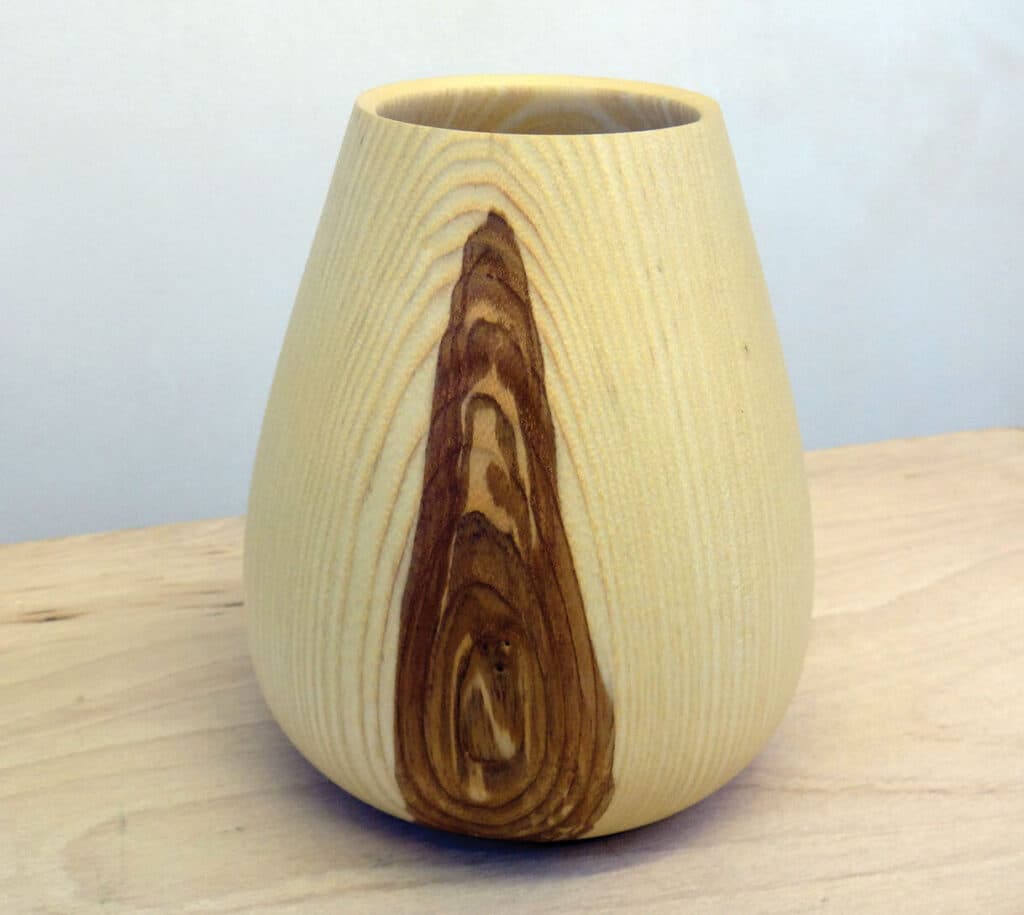
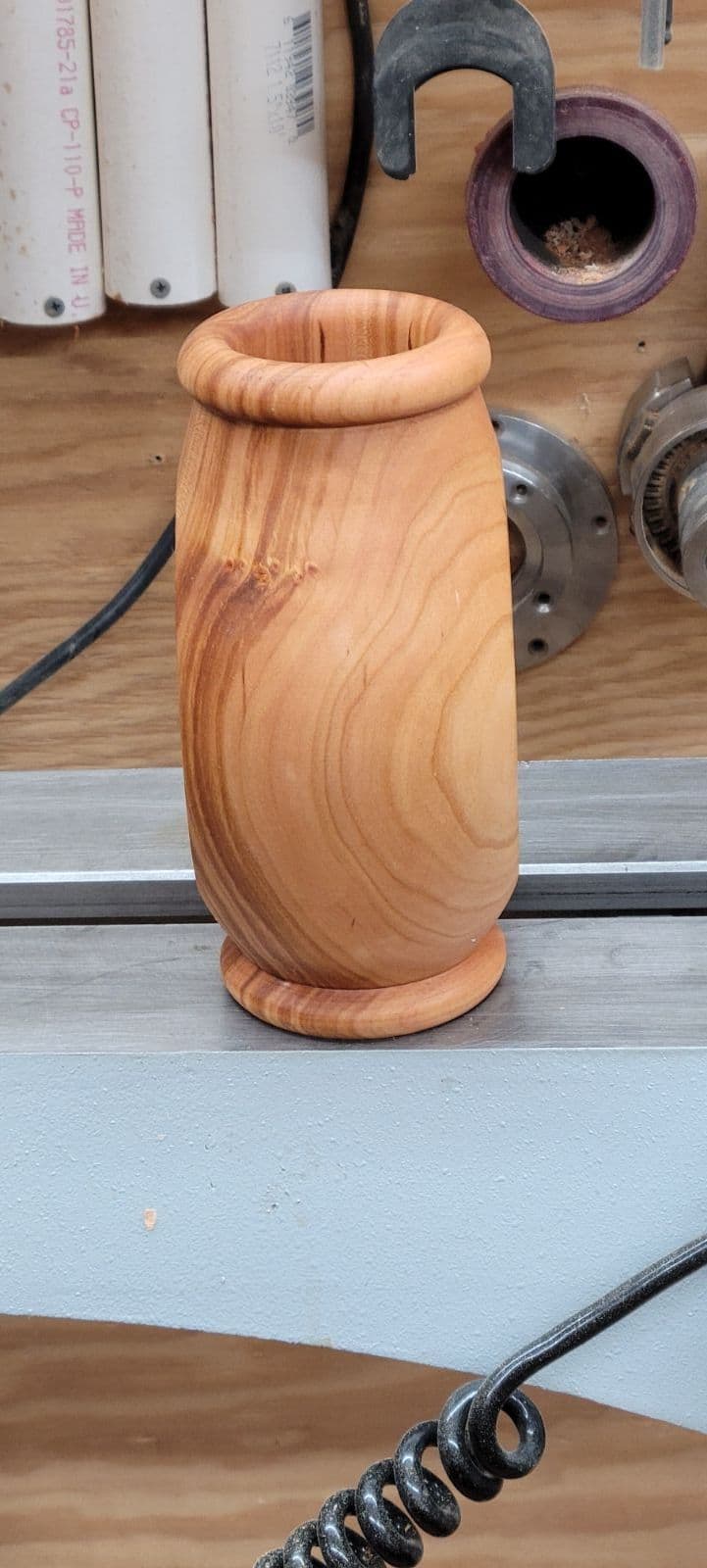
Rusty S's vase gives the May 13 digest its visual spark, but the post works because it bundles three different kinds of turning into one lively update. In The Patriot Woodworker's Wood Turners section, sponsored by Easy Wood Tools, the roundup reads less like a formal gallery and more like a bulletin board where finished work, shop talk and experiments sit side by side.
That format matters in a craft where so much happens alone at the lathe. The same month, the American Association of Woodturners put a bud vase, also called a weed pot, at the center of its May Turning Challenge, with entries due by 11:59 PM UTC on Friday, May 29, 2026. AAW describes itself as a nonprofit dedicated to advancing the art and craft of woodturning worldwide through education, with more than 16,000 members and over 365 local chapters globally, and its ecosystem also includes Beyond the Bevel email highlights and a remote demonstrations calendar.
Rusty S's vase fits neatly into that wider current. He did more than show a polished piece, he explained where the wood came from and how that little adventure unfolded, which gives the form a story as well as a finish. That kind of backstory is part of what makes a digest post shareable in a turning community, because a good vase is never just a silhouette, it is also a blank, a source, a decision and a sequence of cuts that got it to the final shape.
The timing also helps the piece land. In a week when vases were already getting attention across the woodturning network, Rusty S's post feels like a local expression of a larger conversation about proportion, grain and what a small vessel can do when the maker gets the story right. It is the sort of post that keeps readers moving from admiration to curiosity in one click.
Fred W. Hargis Jr.'s shadow box and the structural question behind it
Fred W. Hargis Jr.'s shadow-box question shifts the digest from finished form to problem-solving, and that is where the forum energy really shows. He referenced an image he had seen through the AAW forum, then said the pictured box appears to be a single piece of wood. His concern was practical and immediate: whether the frame will split or crack at some point as the wood dries further.
He also asked whether the bottom is a separate piece, which gives the question a very specific shape. This is not a vague design idea floating in the abstract. It is a maker trying to understand how a turned or carved structure was built, how it will move, and which joints or grain runs might become trouble later.
That is exactly the kind of cross-pollination that keeps different woodturning spaces relevant to one another. AAW chapters are independent local organizations and excellent resources for hands-on instruction, while the forum and email ecosystem spread ideas quickly from one group to another. A question like Fred's shows how a photo can move from inspiration to diagnosis in a matter of hours, with the community helping sort out what is decorative, what is structural and what might split when the wood starts to behave like wood.
The shadow-box post also reinforces the digest's role as a social bridge. A turner who works mostly at home still gets the feel of a club conversation, where one person brings a picture, another spots a potential failure point and everyone else gets a clearer look at how a clever form might actually be built. The value is not just in the image, but in the shared habit of asking what holds it together.
RustyFN's tool handles and the economics of making your own
RustyFN rounds out the digest with the shop-made side of turning, and his update carries the same mix of finish and experiment that makes the whole thread feel active. He finished a set of fancy tool handles, then kept going by experimenting with plywood glued-up blanks. That combination tells you he is not just wrapping up a project, he is testing materials and looking for a better way to build.
There is also some history behind it. In an earlier post on The Patriot Woodworker, RustyFN said the cheapest commercial adapters for tool handles were about $22, and he made clear that he preferred buying quality tools and making his own handles instead of settling for mediocre sets. The May 13 note about finished handles and plywood blanks fits that outlook perfectly, showing a maker who is still iterating rather than simply buying a solution off the shelf.
That attitude is familiar to anyone who spends time around a lathe. Tool handles are one of those projects that sit between utility and customization, where comfort, balance and cost all matter at once. RustyFN's approach shows how a turner can turn a practical need into a small design lab, using the bench itself to decide whether a glued-up blank will become a useful handle or just another idea worth refining.
Taken together, Rusty S's vase, Fred W. Hargis Jr.'s shadow-box puzzle and RustyFN's tool handles make the May 13 digest feel like a club meeting compressed into one screen. One polished piece, one structural question and one shop-built solution are enough to show how the forum keeps turning work moving, and why this kind of roundup still feels like a live bulletin board for the craft.
This article was produced by Prism’s automated news system from verified source data, official records, and press releases, then run through automated quality and moderation checks before publishing. The system is built and supervised by the people who set the standards it runs under. Read our full AI policy.
Did this article answer your question?