Southern Piedmont Woodturners Shifts to Saturday Meetings, Adds Hands-On Workshops
Southern Piedmont Woodturners dropped Tuesday nights for 4th-Saturday mornings in 2026, debuting the format with a same-day demo and hands-on workshop on March 28.
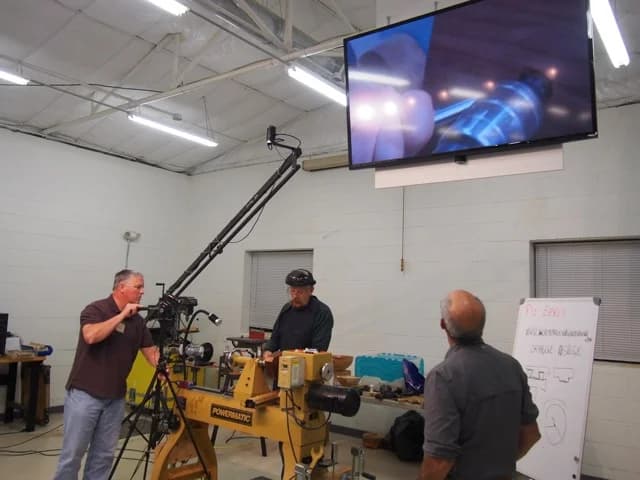
Southern Piedmont Woodturners made its case for the 4th-Saturday format on March 28, running a morning demonstration and an afternoon hands-on session that gave members the chance to turn small, saleable forms from start to finish in a single day.
The club moved its regular meetings from Tuesday evenings to Saturday mornings for 2026, a decision aimed squarely at the attendance problem that quietly drains woodturning chapters: weeknight scheduling that leaves out working parents, newer hobbyists who carve out shop time on weekends, and anyone who can't commit to a weekday evening drive. A Saturday morning slot opens the door for all of them.
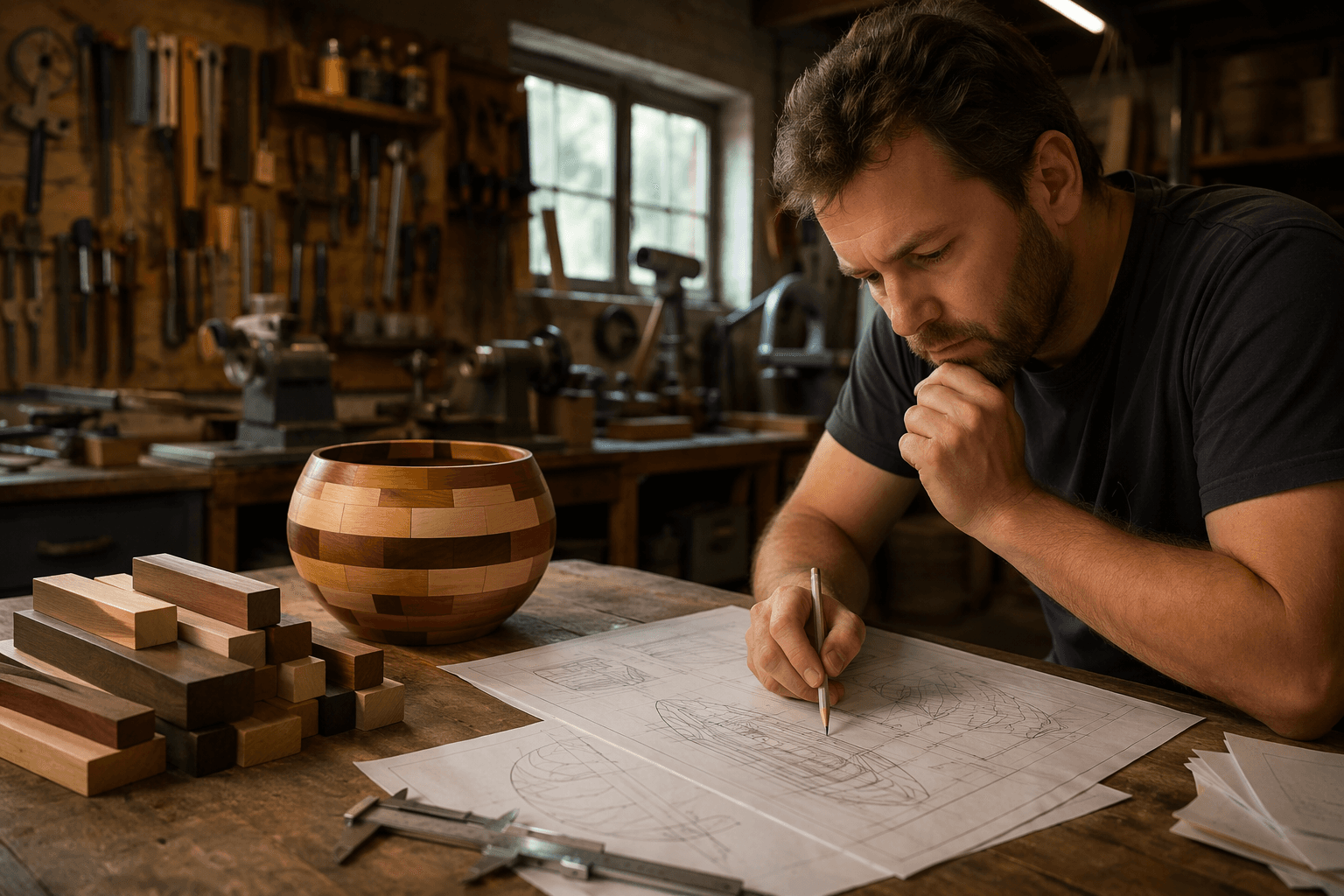
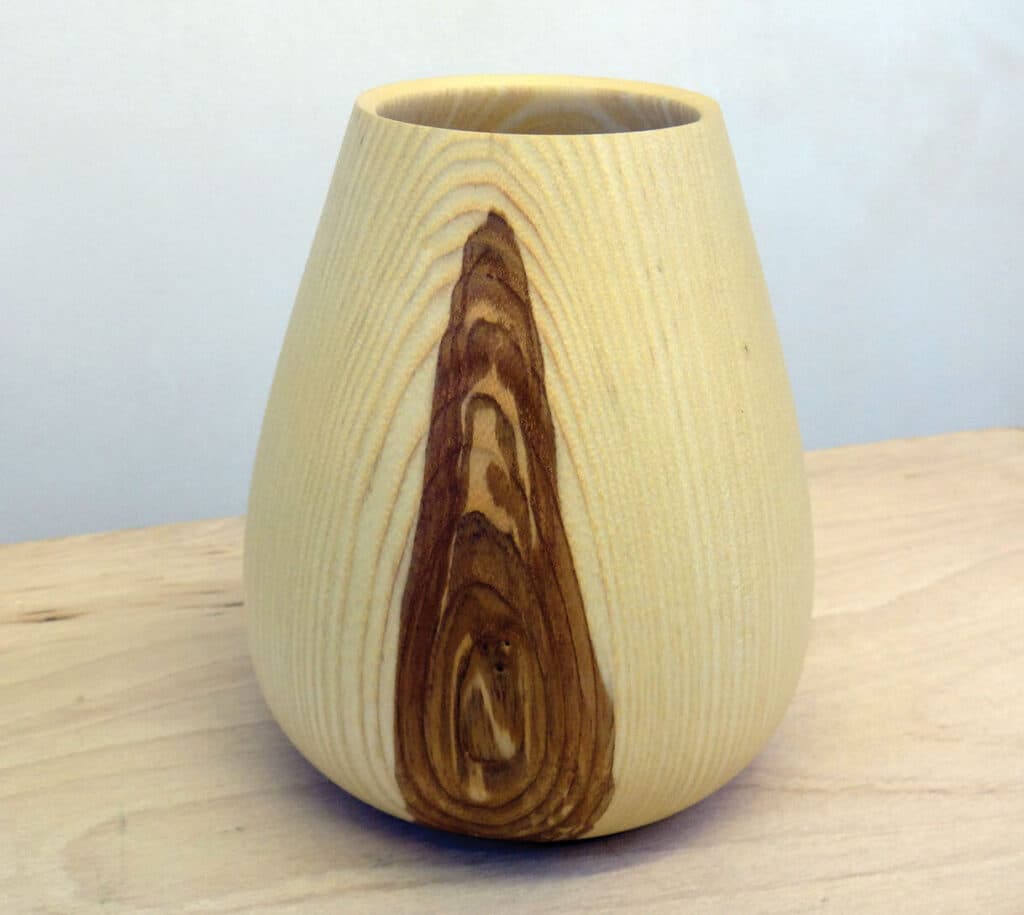
The March meeting opened with a club demonstration from 9:00 to 11:30 a.m., with several SPW members each turning a simple, saleable form: small bowls, scoops, spindles, and basic hollow forms. The format was deliberate. Rotating through multiple turners rather than a single presenter gave attendees a compressed look at different approaches to the same class of project, covering tool selection, sanding sequences, and finish choices for pieces designed to move at craft fair tables.
The afternoon shifted to hands-on work. Members replicated the morning's demo projects at the lathe under supervision, the kind of guided repetition that doesn't happen when a club meeting ends at 9 p.m. and everyone drives home. Running the demo and workshop back-to-back on the same day is a structural advantage of the Saturday format: the information stays fresh, and the muscle memory follows immediately.

The saleable-form curriculum carries a second payload beyond technique. Small bowls and scoops are fast enough to complete in a single session and accessible enough to price for a first craft fair table, which means members leave with a realistic path from practice turning to actual sales. That progression keeps newer members engaged past the novelty phase, which is where most chapters lose them.
The AAW and its regional chapters have long relied on accessible scheduling and low-barrier first visits to recruit in a hobby where equipment cost alone can stop people at the door. SPW's Saturday shift and same-day workshop format puts both levers inside a single meeting.
This article was produced by Prism’s automated news system from verified source data, official records, and press releases, then run through automated quality and moderation checks before publishing. The system is built and supervised by the people who set the standards it runs under. Read our full AI policy.
Did this article answer your question?