Vermont Woodturners Guild urges safety checks before the lathe starts
A simple four-part pre-start routine, inspect the blank, mount it correctly, hand-rotate, then power on, is the clearest lesson in the Vermont Woodturners Guild's checklist.

A blank that looks acceptable at a glance can break apart under centrifugal force, throwing fragments and damaging the tool rest. The Vermont Woodturners Guild’s safety checklist starts before the switch flips, with blank inspection, proper mounting, and a hand-rotation check.
Before the switch flips
The guild’s checklist is built for the moment when it is easiest to rush. Inspect the blank for cracks, splits, bark inclusions, knots, and irregular shapes before you mount it, because those defects can turn into a blank failure once the wood is in motion. If the wood is compromised, the hazard is already there before the lathe starts.
Once the wood is spinning, a break can turn a routine roughing cut into a rescue.
The four-part pre-start routine
The guild’s advice works best as a fixed sequence you can repeat every time:
1. Inspect the blank for cracks, splits, bark inclusions, knots, or irregular shapes.
2. Mount it with a method that matches the size, shape, and weight of the workpiece.
3. Rotate the wood by hand after mounting to check for interference.
4. Start the lathe only after the setup is clear and ready for the speed you plan to use.
Each step prevents a different kind of failure. Inspection helps you avoid a blank breaking apart in rotation. Proper mounting helps prevent the workpiece from coming loose or becoming unstable under load. Hand-rotation catches collisions before they happen, including a blank striking the tool rest or nearby hardware. Only after that should power come on, because once the spindle is moving, small setup mistakes become fast-moving ones.
Mounting has to match the wood
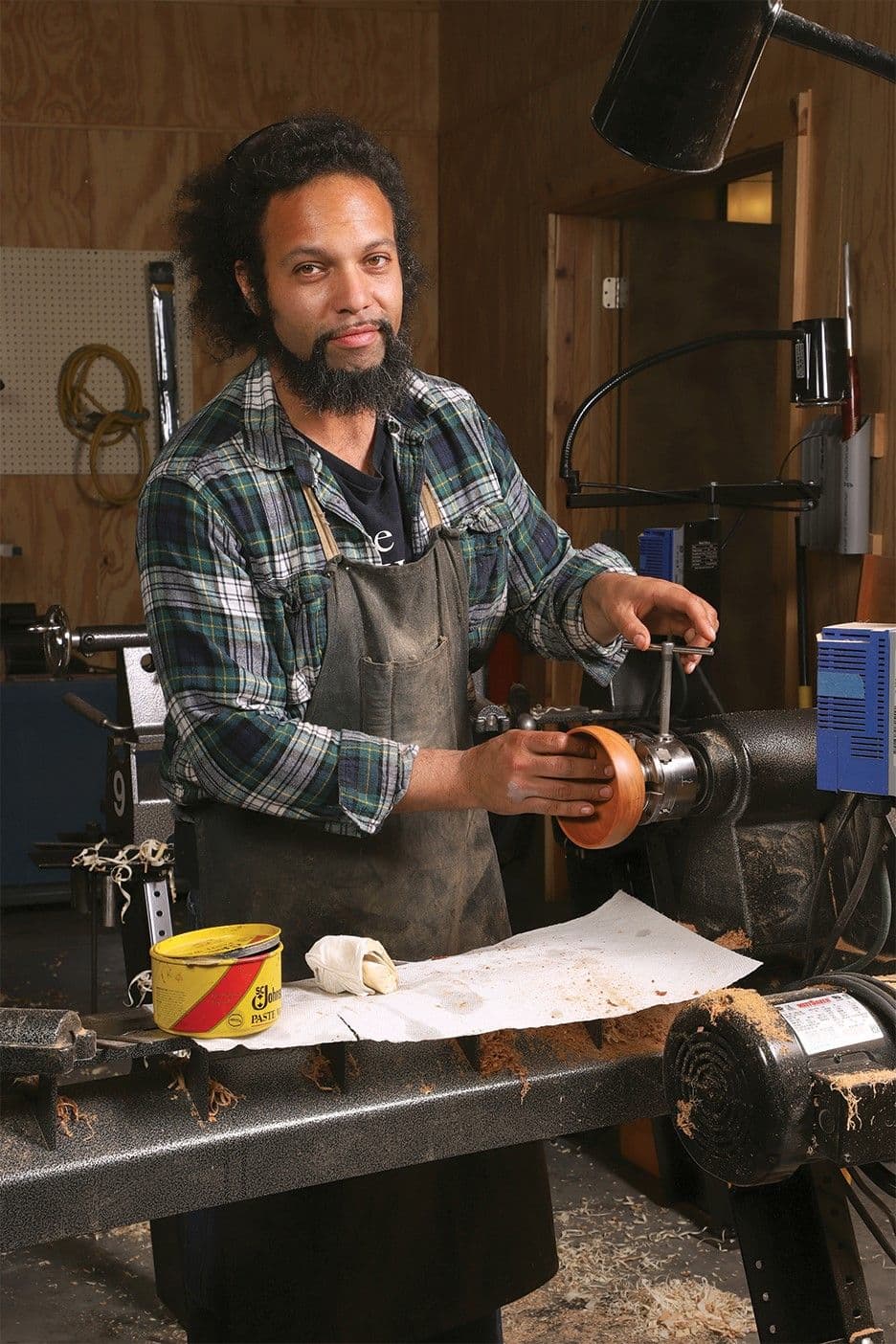
The checklist is specific about mounting because there is no single method that works for every piece. The right choice depends on the blank’s size, shape, and weight, which is especially important with bowls, irregular stock, and larger turning pieces where imbalance can be severe.
If the mount is wrong for the workpiece, the blank can chatter, wobble, or shift, and those movements often precede a more serious problem.
Hand-rotation catches what the eye misses
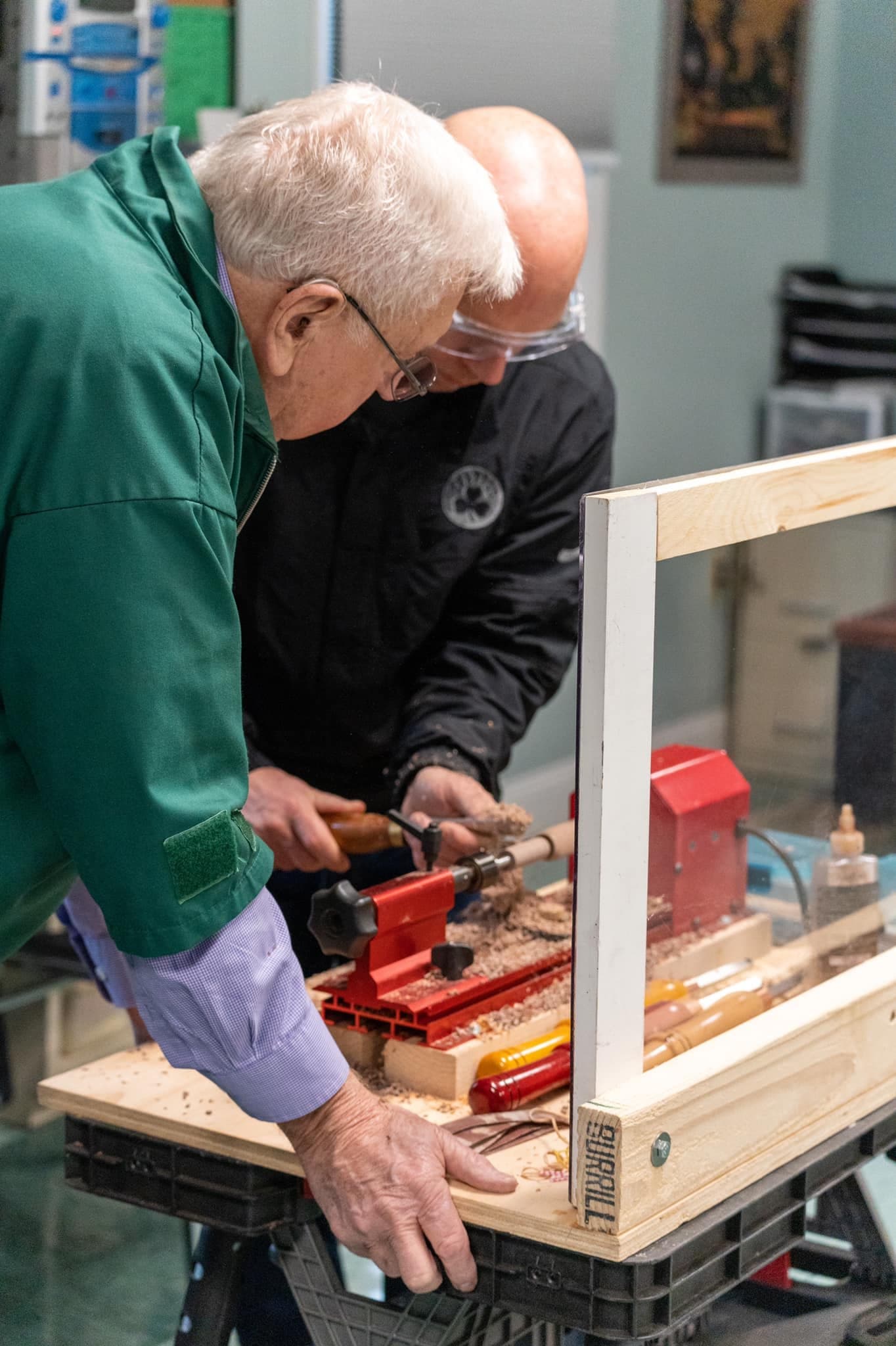
The hand-rotation check is one of the most practical parts of the checklist because it gives you a chance to feel interference before the lathe does the same test at speed. A blank can clear by eye and still graze the tool rest, banjo, chuck key area, or another piece of hardware once it is fully mounted. Turning the wood by hand after mounting gives you a quiet, low-risk way to catch that problem.
The check is especially useful when you are moving into larger or more complex work, where uneven stock can look balanced enough from one angle but reveal its problems the moment it starts to rotate. If the wood cannot move cleanly by hand, it should not be powered up.
Speed, technique, and the manual still matter
The Vermont checklist aligns with the broader safety language used by the American Association of Woodturners. The AAW says safe, effective use of a wood lathe requires study and knowledge of procedures, and it tells turners to read and follow the warnings on the lathe and in the owner-operator’s manual.
The AAW also warns that an accident at the lathe can happen with “blinding suddenness.” Its safety publications break the subject into separate areas, including blanks and turning materials, safe techniques, safe turning speeds, and the “before turning on the lathe” step.
Protective gear is part of the system, not an extra
Face protection is standard, and the Association of Woodturners of Great Britain says hazards can be minimized by using the correct safety equipment and a common-sense approach. AAW safety materials say a full-face shield should be used for all woodturning operations when the lathe is on. That expectation is especially important when a blank is large, irregular, or still being trued up.
Sanding brings its own exposure, which is why dust protection remains part of the conversation even after the cutting tools are set aside.
A checklist, not a lecture
The Vermont Woodturners Guild presents its safety page as a checklist rather than a long essay. A short, usable list is easier to keep in mind at the lathe, and easier to share before a club demonstration or a shop session. The American Association of Woodturners’ 2018 Safety for Woodturners compilation followed the same logic, gathering selected readings and checklists under headings that included the edge-of-disaster warning and other safety reminders.
This article was produced by Prism’s automated news system from verified source data, official records, and press releases, then run through automated quality and moderation checks before publishing. The system is built and supervised by the people who set the standards it runs under. Read our full AI policy.
Did this article answer your question?