AGTA spotlights new emeralds for May birthstone shopping and retail
AGTA’s newest emerald showcase turns May shopping into a lesson in value, where origin, weight, and disclosure do the real work.
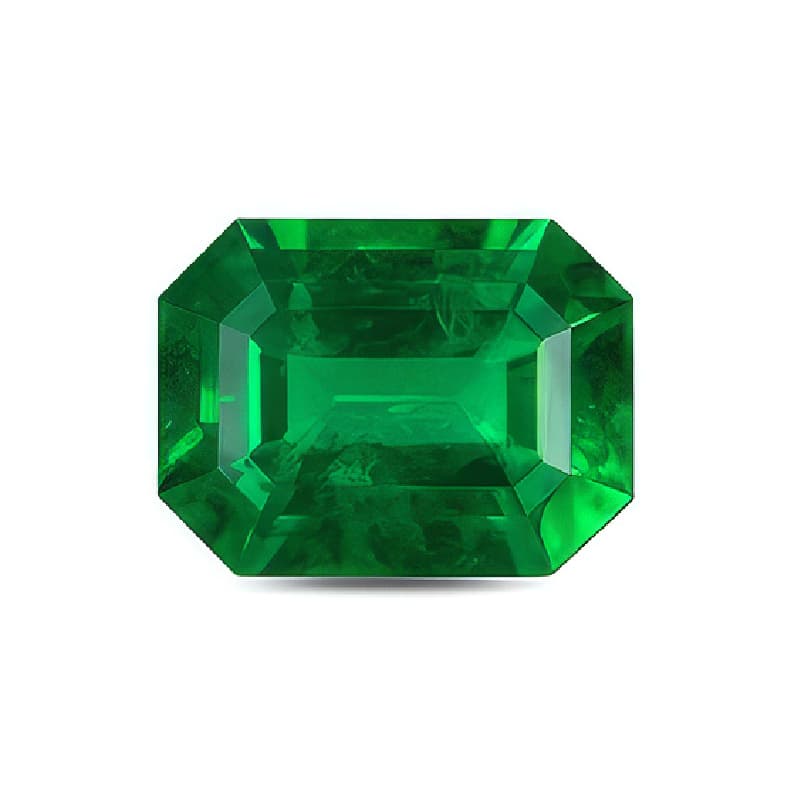
Emerald is beautiful, but the fine print decides the price
May’s birthstone has always carried more than color. Emerald is the official stone of the month, and it has also been linked to the 20th and 35th wedding anniversaries, which helps explain why it remains one of the most emotionally loaded gems in the trade. Its story stretches from Cleopatra and Pliny the Elder to Atahualpa and Francisco Pizarro, but the modern market still comes down to a few practical questions: where it came from, how much it weighs, and what has been done to it.
That scrutiny matters because emerald is not a forgiving gemstone. It is the green variety of beryl, and its color comes from trace chromium or vanadium. Natural emeralds commonly contain inclusions and surface-reaching fractures, which means the stone’s beauty is often inseparable from its internal architecture. In other words, an emerald’s character is part of its appeal, but it is also the reason treatment disclosure is central to buying well.
AGTA’s May emerald spotlight is a trade lesson, not just a product page
The newest AGTA emerald showcase is useful because it behaves like a buying guide disguised as a display. The stones are presented with the details that matter most in a retail case: origin notes, carat sizes, and treatment disclosures. That combination gives shoppers and retailers the framework to compare one emerald against another without relying on color alone, which is exactly how emerald should be judged.
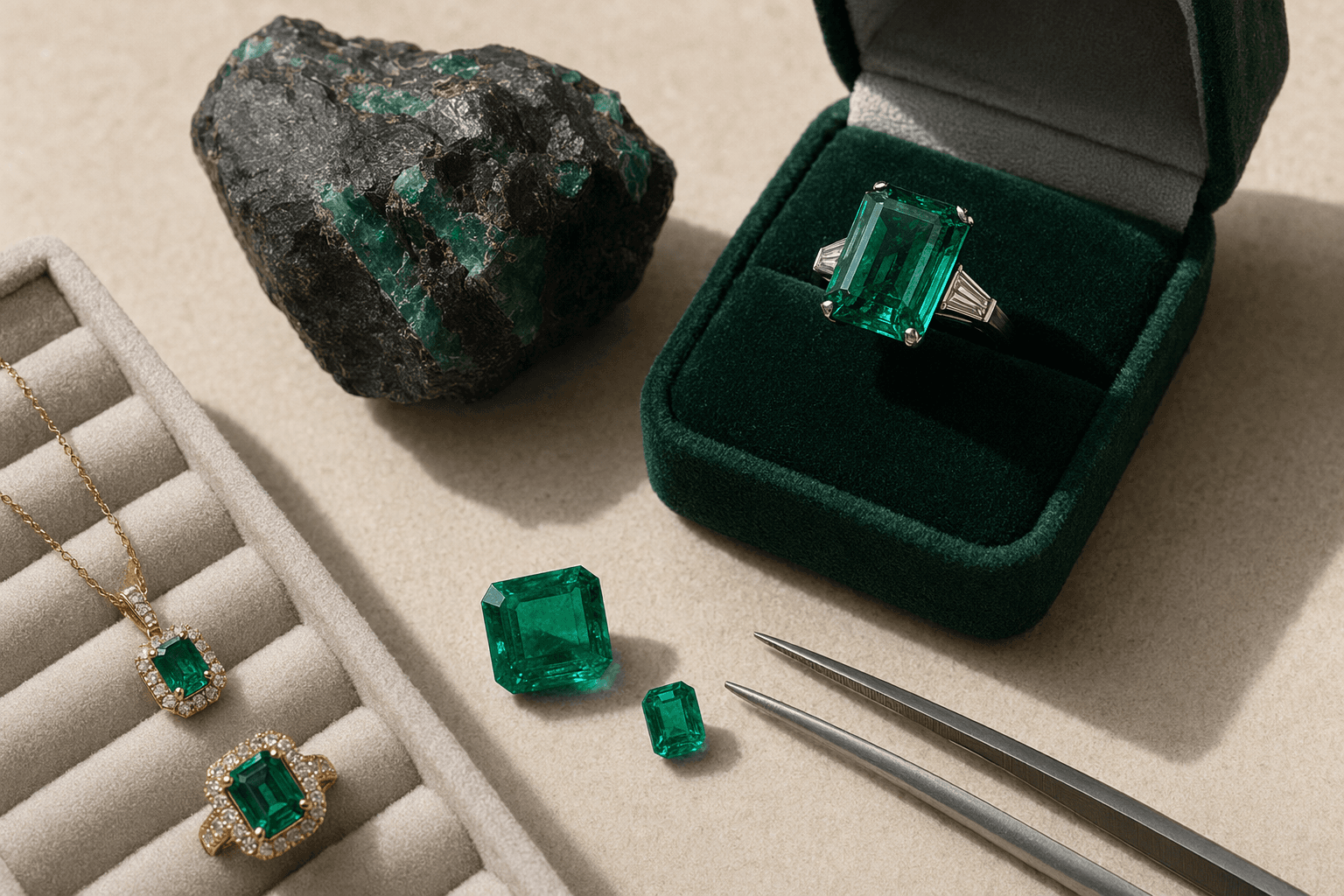
The timing is not accidental. AGTA GemFair Las Vegas opens May 28, 2026, one day before JCK Las Vegas, putting emeralds squarely in the path of the summer buying season. AGTA positions GemFair as a destination for responsibly sourced natural colored gemstones, and says the dealers who participate operate under a strict code of ethics. For retailers building May inventory, that makes the emerald conversation about more than seasonal symbolism. It becomes a test of sourcing, disclosure, and trust.
The modern U.S. birthstone list itself was standardized in 1912 by the American National Retail Jewelers Association in Kansas City, Kansas, and Jewelers of America still references that origin. Emerald has therefore been both a traditional May gem and a modern merchandising anchor for more than a century. That history matters because it explains why the stone remains so commercially durable: it has ritual value, but it also has clear market language.
What makes one emerald more desirable than another
Colombia remains the benchmark source for fine emeralds, and it has been the source of many of the finest stones for more than 500 years. Within Colombia, Muzo, Chivor, and Coscuez are the localities that carry the most weight in conversations about quality. These names are not decoration. They signal a heritage of production that collectors and dealers still use to frame expectations around color and prestige.
Still, origin does not act alone. The American Gem Society notes that Colombian, Zambian, and Brazilian emeralds are often compared by appearance and price, which is the more useful way to think about the market. Colombian stones often carry the strongest cachet, but the best value can appear in the right Zambian or Brazilian gem if the color is vivid, the clarity is attractive for the species, and the treatment is clearly disclosed. For many buyers, origin influences value, but it should never replace an actual look at the stone.

What tends to lift value is a combination of factors:
- Strong, even green with depth rather than dull darkness
- A carat weight that feels substantial without sacrificing liveliness
- Transparent treatment disclosure
- An origin note that is consistent with the stone’s overall quality
- A setting that protects the gem instead of exposing its weakest points
Treatment disclosure is where smart buying starts
Emerald is one of the clearest examples in jewelry of why disclosure is not a bureaucratic footnote. Common enhancements include oiling, waxes, resins, and other fillers, all of which can improve the appearance of fractures and surface-reaching fissures. Because emeralds naturally tend to have those internal features, the treatment category can materially affect price, care, and long-term wearability.
AGTA’s gemstone information materials put that transparency front and center, aligning with FTC standards and ethical trade practice requirements. That is not merely a compliance issue. It is the difference between buying a stone for its honest beauty and buying one for a beauty that may depend heavily on stabilization. A well-disclosed emerald lets the buyer decide whether they are comfortable with its maintenance needs and how carefully it should be worn.
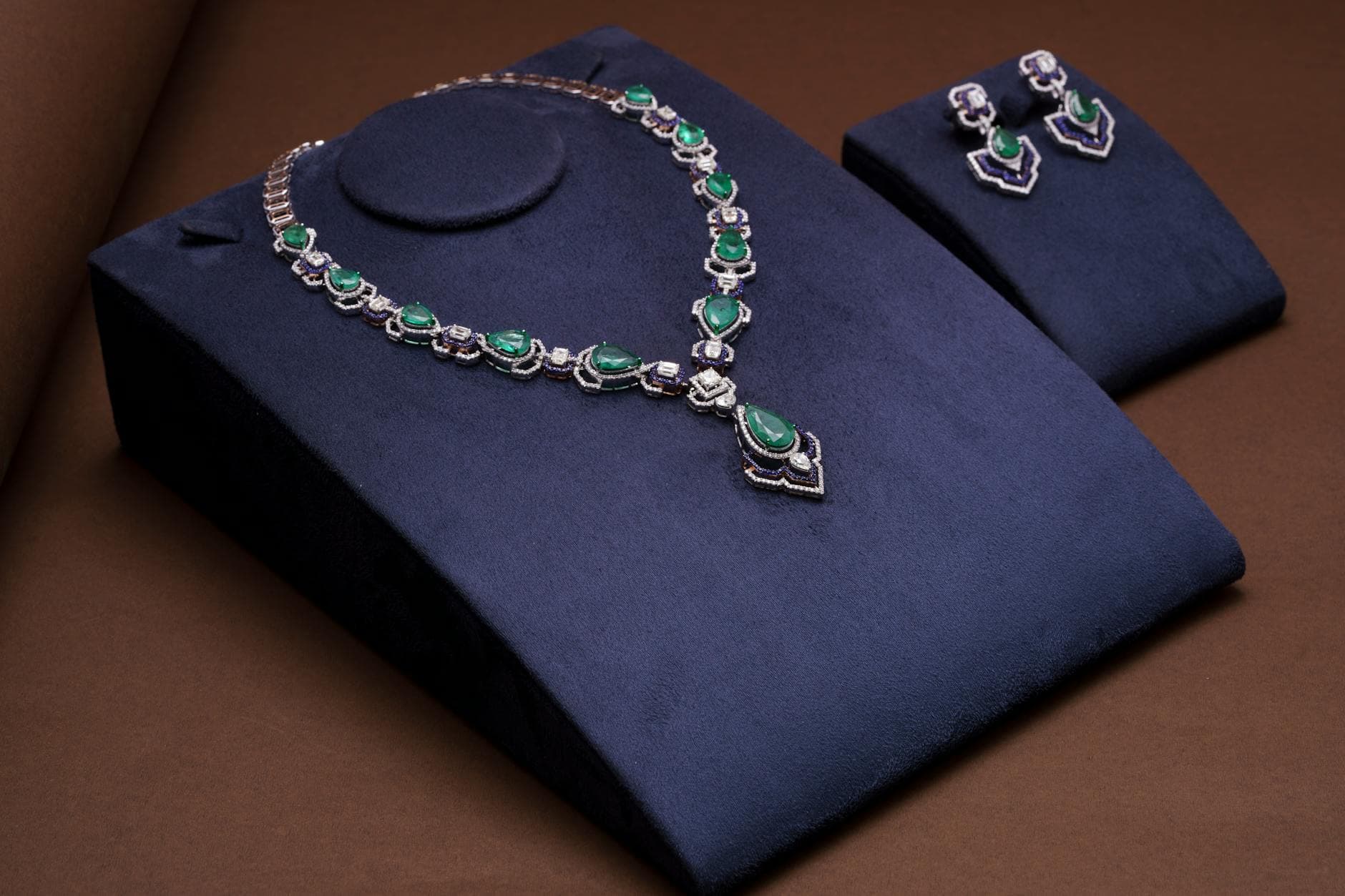
This is also where setting becomes part of the value conversation. Emeralds tend to fare better in settings that protect the stone’s edges and corners, especially when the gem already carries visible inclusions. A prong setting can keep the stone open to light, but a bezel or similarly protective design often makes better sense for everyday wear, because emeralds are less tolerant of impact than harder, cleaner stones. With emerald, craftsmanship is not just about how a jewel looks in the case. It is about how well it can live on the body.
Why emerald still feels personal
Emerald has outlasted fashion cycles because it can mean many things at once: birthstone, anniversary gem, statement color, and heirloom material. In a year when shoppers are still calibrating what luxury should feel like, the best emerald purchases are the ones that balance romance with evidence. AGTA’s latest offerings make that balance visible by insisting on origin, size, and treatment rather than treating the stone as a mystery.
That is the real appeal of this May market. Emerald is not simply being sold as green. It is being offered as a readable object, one whose value depends on how well the trade tells the truth about what is inside it.
Know something we missed? Have a correction or additional information?
Submit a Tip