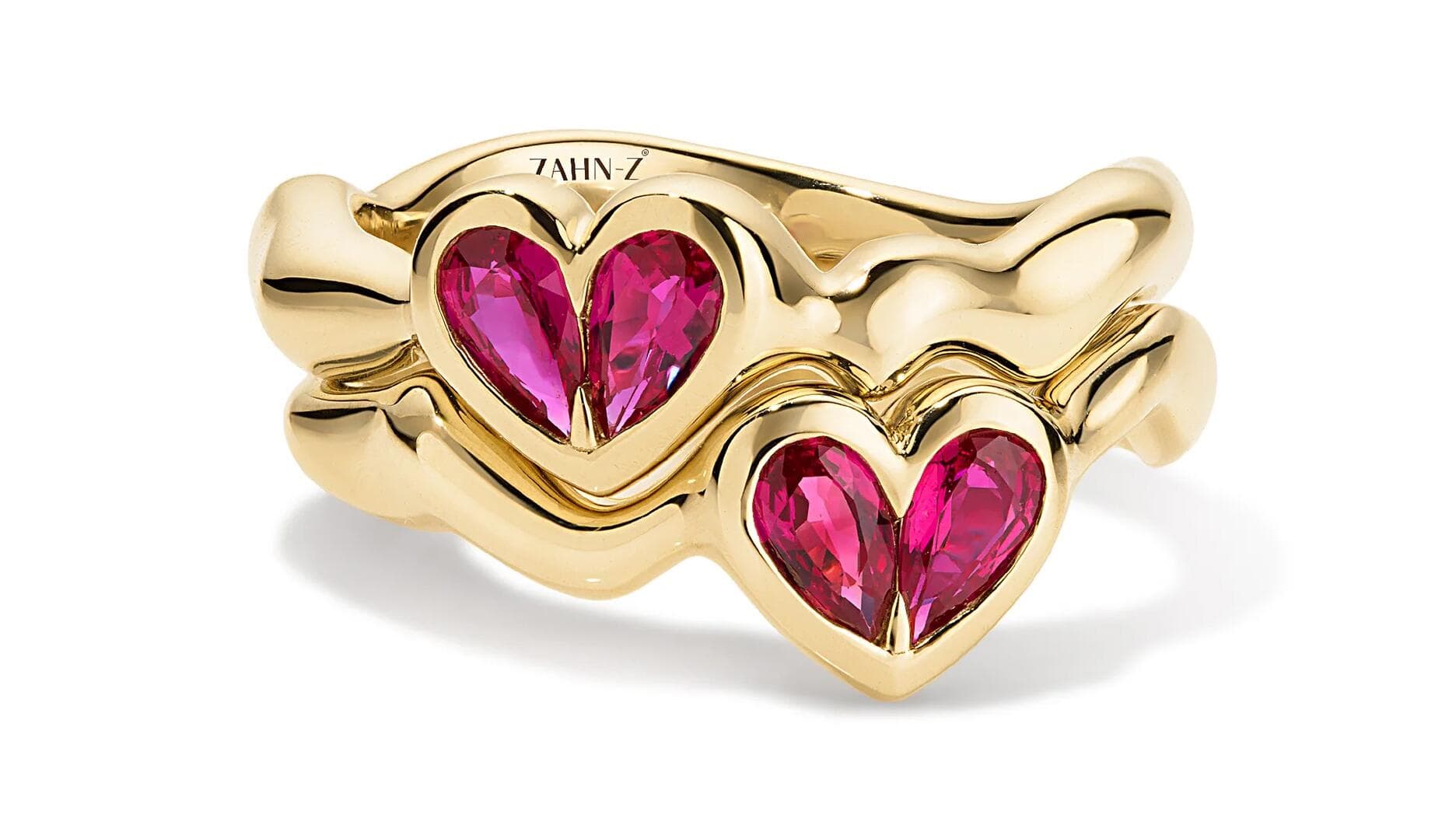
Aryna Sabalenka’s emerald Wimbledon set spotlights birthstone glamour
Sabalenka’s emerald Wimbledon set turns a birthstone into a sales story, with looks from $2,600 studs to a $32,700 anklet reframing emerald jewelry as both personal and aspirational.
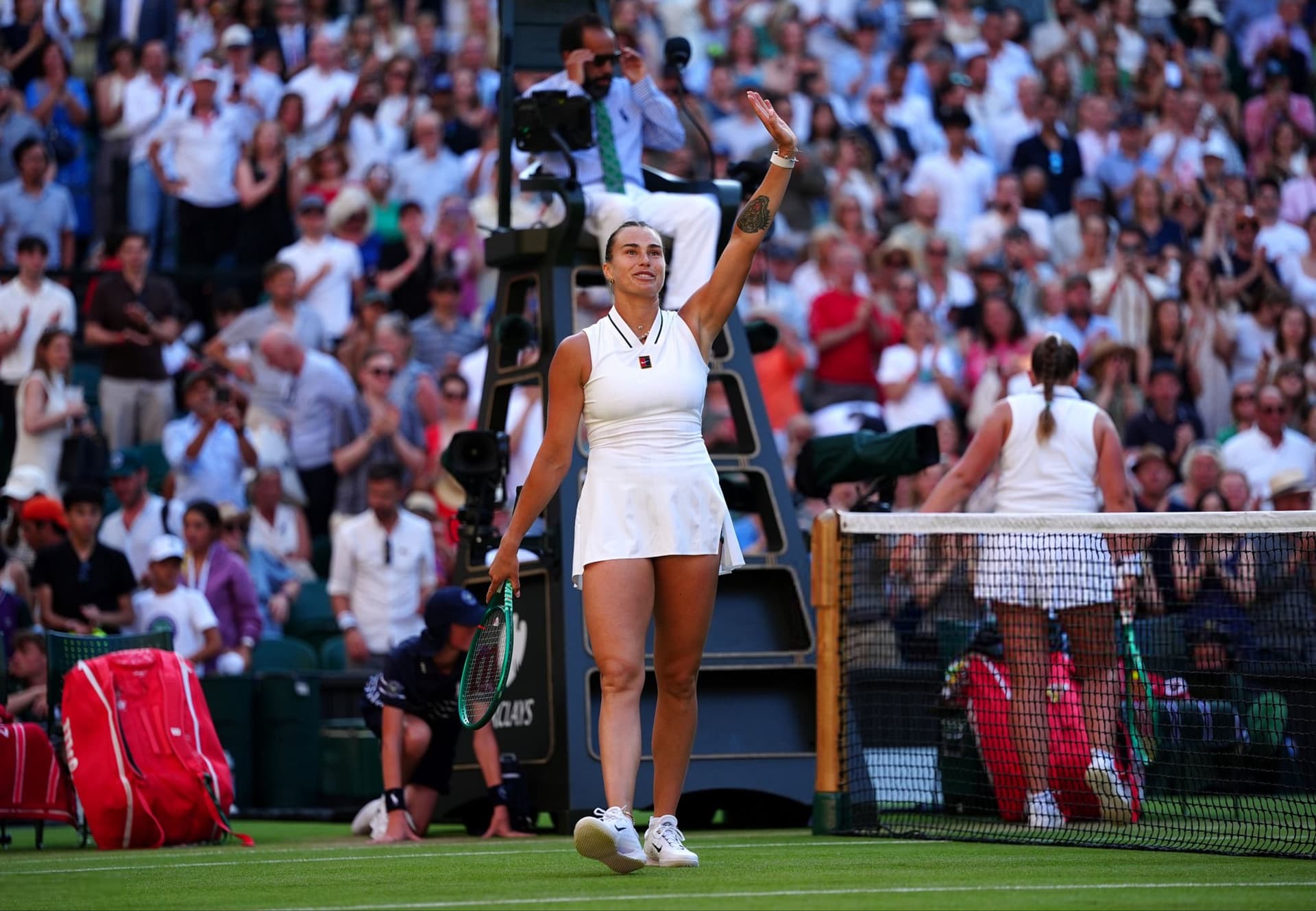
Aryna Sabalenka walked onto Wimbledon’s grass with more than a champion’s presence. She wore emeralds at her neck, in her ears and around her ankle, turning the color of Centre Court into a literal styling code and giving birthstone jewelry a rare kind of visibility. The effect was immediate: this was not a delicate red-carpet whisper, but a high-definition sports moment with enough scale to make emerald feel newly current.
The look works because it is legible at a glance. Sabalenka’s jewelry was framed around her birthstone and tied to Wimbledon’s own green, which gives the stones a double meaning, personal identity on one hand and tournament symbolism on the other. That combination is exactly what makes birthstone jewelry commercially potent when it breaks out of its usual gifting cycle and lands in a globally watched setting.
Why this looked like a brand, not a one-off
Material Good calls Sabalenka its first-ever Jewelry Ambassador, and the partnership gives the Wimbledon appearance a clear commercial spine. The Aryna Sabalenka Collection includes the Aryna Axis Anklet at $32,700, along with emerald-and-diamond cluster studs priced at $2,600 and additional pieces available by inquiry. The range matters: it places emerald jewelry in the same conversation as both attainable fine jewelry and high jewelry, without flattening the category into a single price point.
The collection was built around custom designs for Sabalenka, which is the detail that separates this from generic celebrity product placement. When a player’s on-court look is translated into a named collection, the styling becomes merchandise, and the merchandise becomes a story about identity, not just adornment. For a birthstone category, that is far more persuasive than a simple trend post because it offers a concrete object, a recognizable wearer and a price ladder that can be mapped onto real demand.
The emerald pieces most likely to gain traction
Sabalenka’s Wimbledon set points to the emerald pieces with the strongest commercial pull right now. Earrings are the most obvious entry point, especially studs or small cluster designs like the $2,600 pair in her collection, because they let shoppers buy into the look without committing to a major outlay. Necklaces and bracelets follow naturally, especially in diamond-accented formats that echo the polished, athletic-luxury feel of a championship appearance.
Anklets are the surprise category here, and that is part of their appeal. The $32,700 Aryna Axis Anklet shows how a detail that might normally feel niche can become editorial when it is worn on a court, under lights, during a major tournament. For retailers, the strongest merchandising move is to build outward from that kind of recognizable styling moment: studs at the opening price point, then pendants, tennis bracelets, anklets and custom pieces higher up the assortment.
- Entry level: emerald or emerald-and-diamond studs for giftable, first-time fine jewelry buyers
- Mid-tier: pendants, tennis bracelets and matching sets that carry the athlete-inspired look into everyday wear
- High jewelry: custom necklaces, anklets and inquiry-only pieces that mirror Sabalenka’s fully coordinated set
Why athlete styling converts better than generic trend reporting
Sabalenka entered Wimbledon 2026 as world No. 1, holding that ranking continuously for 19 months since September 2023. Wimbledon described her as a three-time semifinalist at the Championships, and the WTA said she arrived with 9,090 ranking points, 947 ahead of Elena Rybakina. That level of dominance matters for jewelry because a player at the center of the draw becomes a center of attention everywhere else too.
When a globally visible athlete wears a specific gemstone in a specific setting, the demand signal is more actionable than a broad “emeralds are trending” headline. Shoppers can see the silhouette, the occasion and the emotional logic all at once. Retailers can merchandise that response with tighter inventory choices, more pointed social storytelling and a clearer range architecture, rather than guessing which vague notion of glamour will convert.
A broader fashion language at Wimbledon
Sabalenka was not the only player using the tournament runway to extend a personal brand. Naomi Osaka made a fashion-forward Wimbledon debut in a custom white look designed by Tokyo-based Hana Yagi, with Wimbledon and Olympics.com describing it as a kimono- or ceremonial-inspired outfit that nodded to Japanese heritage and the tournament’s all-white dress code. Osaka said in an on-court interview that her Japanese heritage meant a lot to her and that she wanted to come out in a kimono-inspired look.
That parallel matters because it shows how women’s tennis has moved beyond uniformity. Grand Slam dressing now carries identity, heritage and styling intent, which means jewelry can no longer be treated as an afterthought to the kit. Sabalenka’s emeralds and Osaka’s custom white ensemble both show the same shift: on-court fashion is no longer just functional sportswear, but a visible part of the athlete’s signature.
What birthstone jewelry can borrow from this moment
The Sabalenka effect is less about emeralds in the abstract than about the kind of story emeralds can tell when they are worn with precision. A birthstone becomes more desirable when it is tied to a memorable person, a strong silhouette and a setting that already carries cultural weight. Wimbledon gives emeralds all three, which is why the category suddenly feels bigger than the usual birthday gift window.
For jewelry buyers and retailers alike, the lesson is simple: the pieces that will feel most relevant now are the ones that can translate personality into polish. In Sabalenka’s case, that means emeralds worn close to the body, made visible across multiple points and priced from approachable fine jewelry to serious collector territory. That is how a birthstone stops being seasonal and starts feeling like a signature.
This article was produced by Prism’s automated news system from verified source data, official records, and press releases, then run through automated quality and moderation checks before publishing. The system is built and supervised by the people who set the standards it runs under. Read our full AI policy.
Did this article answer your question?