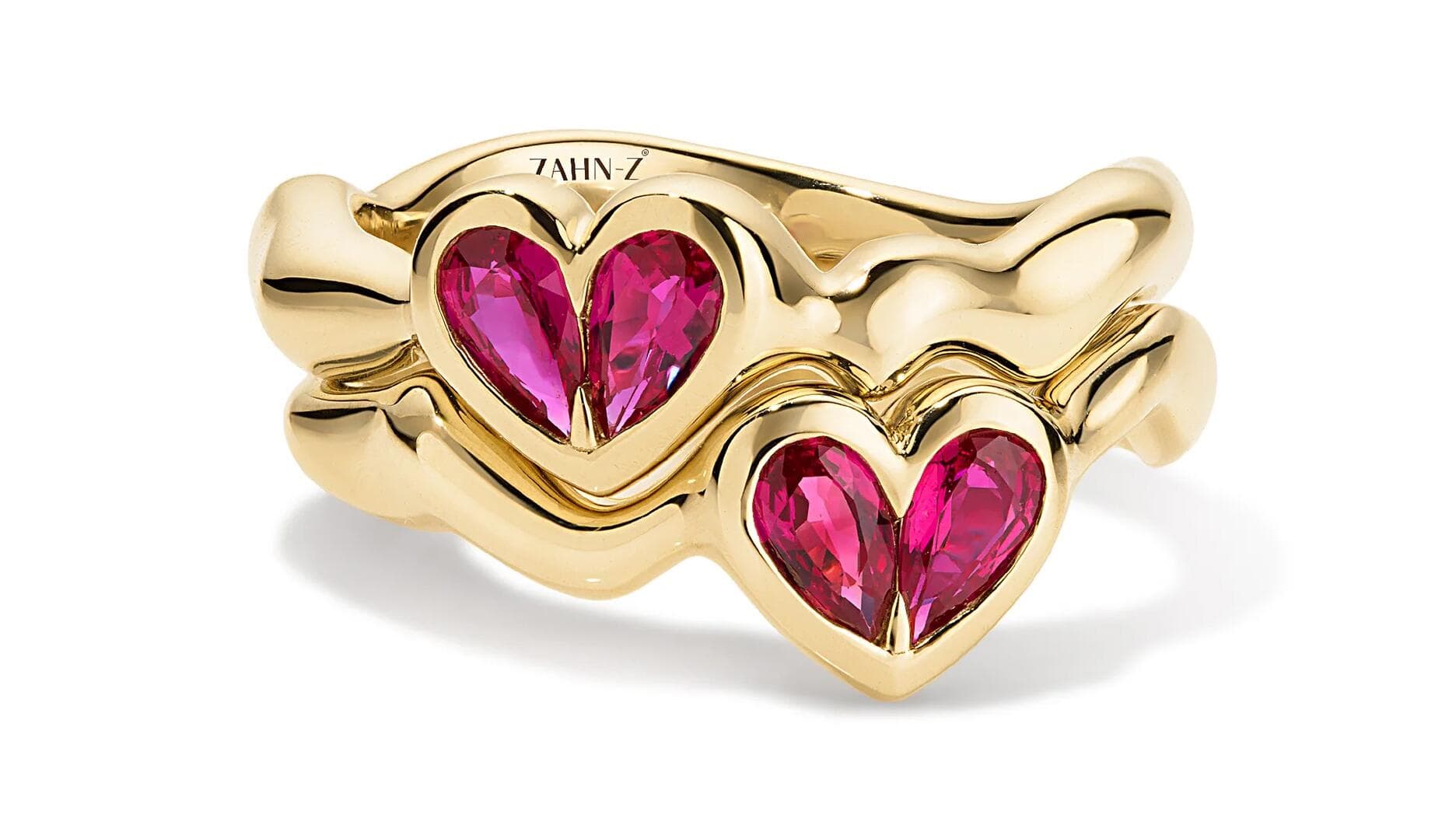
Birthstone colors by month, and what each gemstone symbolizes
Birthstone jewelry now reads like personal luxury, with each month’s color hinting at mood, price point, and the most flattering way to wear it.
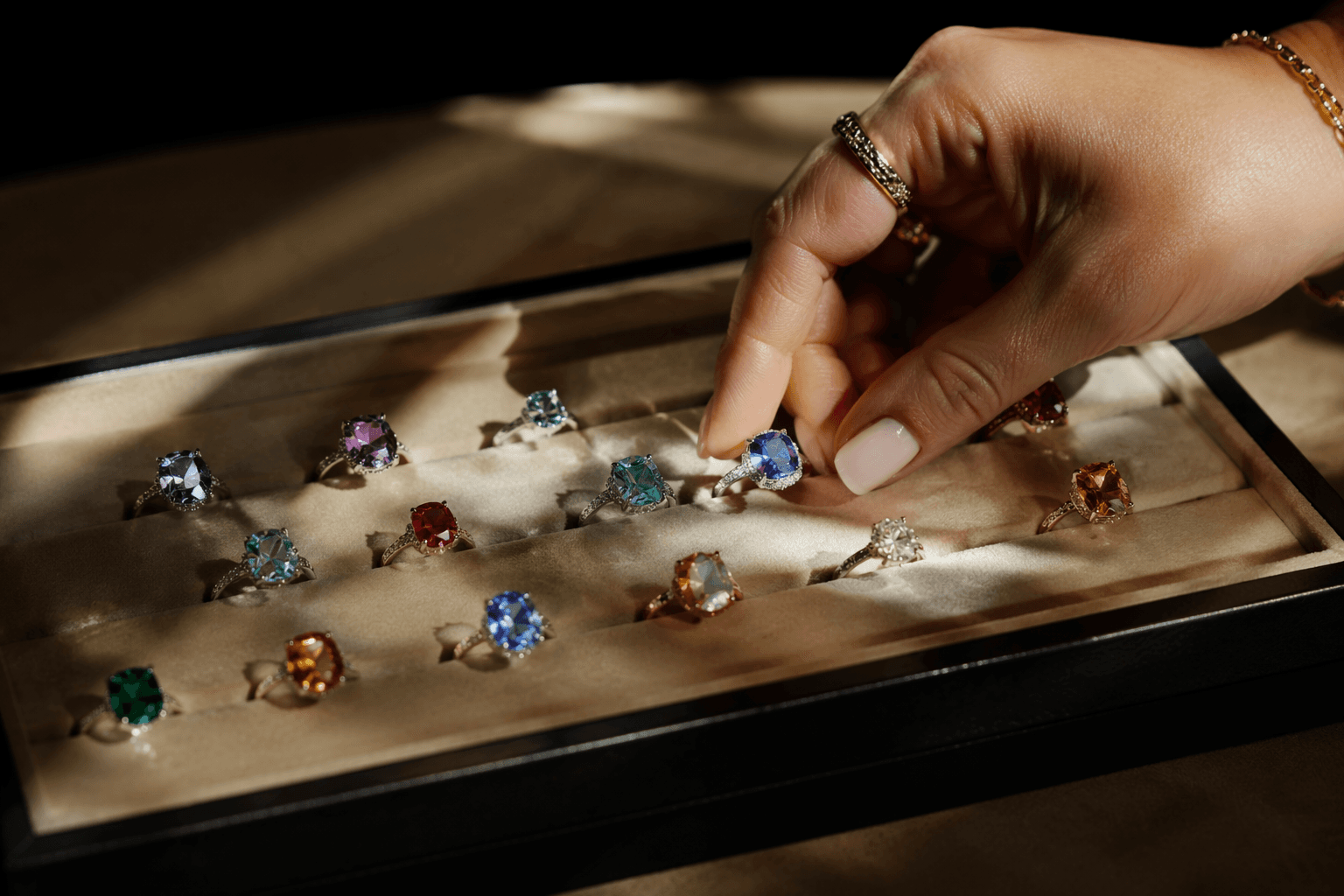
June, August, and December each have three birthstones, a reminder that the modern chart was shaped less by ancient certainty than by availability, cost, and changing taste. Birthstones are gemstones tied to a birth month, and that flexibility lets a ring, pendant, or pair of studs carry both color and identity, whether the stone is prized like ruby or chosen for the softer glow of moonstone.
Why birthstones still feel personal
Birthstones are colorful, popular, and open to almost everyone, crossing gender, age, nationality, and religion with unusual ease. The Gemological Institute of America treats them as one of jewelry’s most accessible categories. The American Gem Society, founded in 1934 as a consumer-protection-minded jewelry trade association, ties that reach to the long histories behind traditional stones and to the way people shop for gifts, upgrades, and self-purchases.
That flexibility is part of the modern draw. A birthstone can look heirloom-formal in a bezel-set ring, or feel fresh in a slender pendant suspended from a fine chain. It also gives custom work an easy starting point, because color is often the first decision in a piece that will be worn close to the skin.
January through march: color with presence
January: garnet
Garnet is most commonly red, but it comes in a wider range of colors than many shoppers expect. In deep wine or cherry tones, it reads as classic and grounded, especially in yellow gold or rose gold, where the warmth amplifies the stone’s natural richness.
February: amethyst
Amethyst is the purple variety of quartz, and its long history gives it a quiet authority that belies its accessibility. It was once considered expensive before new finds made it more affordable. Set in white gold or platinum, amethyst looks crisp and contemporary; in gold, it turns moodier and more romantic.
March: aquamarine and bloodstone
March has two very different personalities. Aquamarine brings a pale blue-green clarity that feels almost architectural in a modern setting, while bloodstone offers a darker, more grounded palette for someone who prefers texture over sparkle. Because aquamarine reads so cleanly against white metals, it has become one of the easiest birthstones to wear in minimal, stackable designs.
April through june: the season of contrast
April: diamond
April’s birthstone is the one most associated with pure light. Diamond is the most versatile of all birthstone colors because it is not really about color at all but about brilliance, so it works equally well in a minimalist solitaire, a pavé band, or a vintage-inspired cluster.
May: emerald
Emerald is valued for its grass-green color, and that green has an instant editorial impact. It looks especially striking in yellow gold, where the metal intensifies the stone’s depth, but it can also feel sharply modern in a sleek bezel or east-west setting.
June: pearl, alexandrite, and moonstone
June’s range is what makes it so giftable. Pearl is the most classic, alexandrite the most coveted, and moonstone the most quietly modern, with a full spectrum from polished tradition to soft iridescence. For shoppers, that means the month can cover multiple budgets and multiple aesthetics, from a simple strand to a custom ring with a more unusual center stone.
July through september: saturated, saturated, saturated
July: ruby
Ruby is prized for a deep red with a hint of purple, a hue the trade often calls “pigeon’s blood” when the color is especially fine. Ruby looks regal in nearly any metal, though platinum sharpens the red and yellow gold deepens it.
August: peridot, spinel, and sardonyx
August’s options open the door to far more personal styling. Peridot offers a fresh green that feels bright rather than weighty, spinel can read jewel-toned and polished, and sardonyx leans graphic and earthy. Peridot carries particular historical depth: Pliny wrote about an Egyptian source around AD 70.
September: sapphire
September’s most familiar stone is sapphire, a color family that has become shorthand for elegant blue. In a classic royal-blue shade, sapphire can feel as formal as diamond but warmer and less expected, which is why it remains one of the most reliable stones for engagement rings and heirloom pieces. It also pairs beautifully with platinum, where the blue looks especially clean and controlled.
October through december: the most expressive palette
October: opal and tourmaline
October pairs opal and tourmaline, two stones with movement in their color. Opal’s milky flashes and tourmaline’s broad spectrum, from pink to green and beyond, make this one of the most creative birthstone months for custom work. These stones tend to favor less rigid settings, because their character is in the light they catch rather than in a single fixed hue.
November: topaz and citrine
November’s palette usually lands in golden territory. Topaz and citrine both bring warmth that feels especially flattering in autumn light, and their honeyed tones make them easy to wear with everyday wardrobes. They are also practical choices when you want a richly colored stone without moving into higher luxury pricing.
December: tanzanite, turquoise, and zircon
December’s options make an unusually strong case for value. These relatively inexpensive gems can rival precious stones: colorless zircon can stand in for diamond, tanzanite often serves as a sapphire alternative, and turquoise remains prized for its robin’s-egg-blue color.
This article was produced by Prism’s automated news system from verified source data, official records, and press releases, then run through automated quality and moderation checks before publishing. The system is built and supervised by the people who set the standards it runs under. Read our full AI policy.
Did this article answer your question?