Birthstone Jewelry Explained, History, Meaning, and Smart Buying Tips
Why a stone belongs to your month is a story of sacred symbolism, retail standards, and smart shopping, from garnet’s range to opal’s fire.
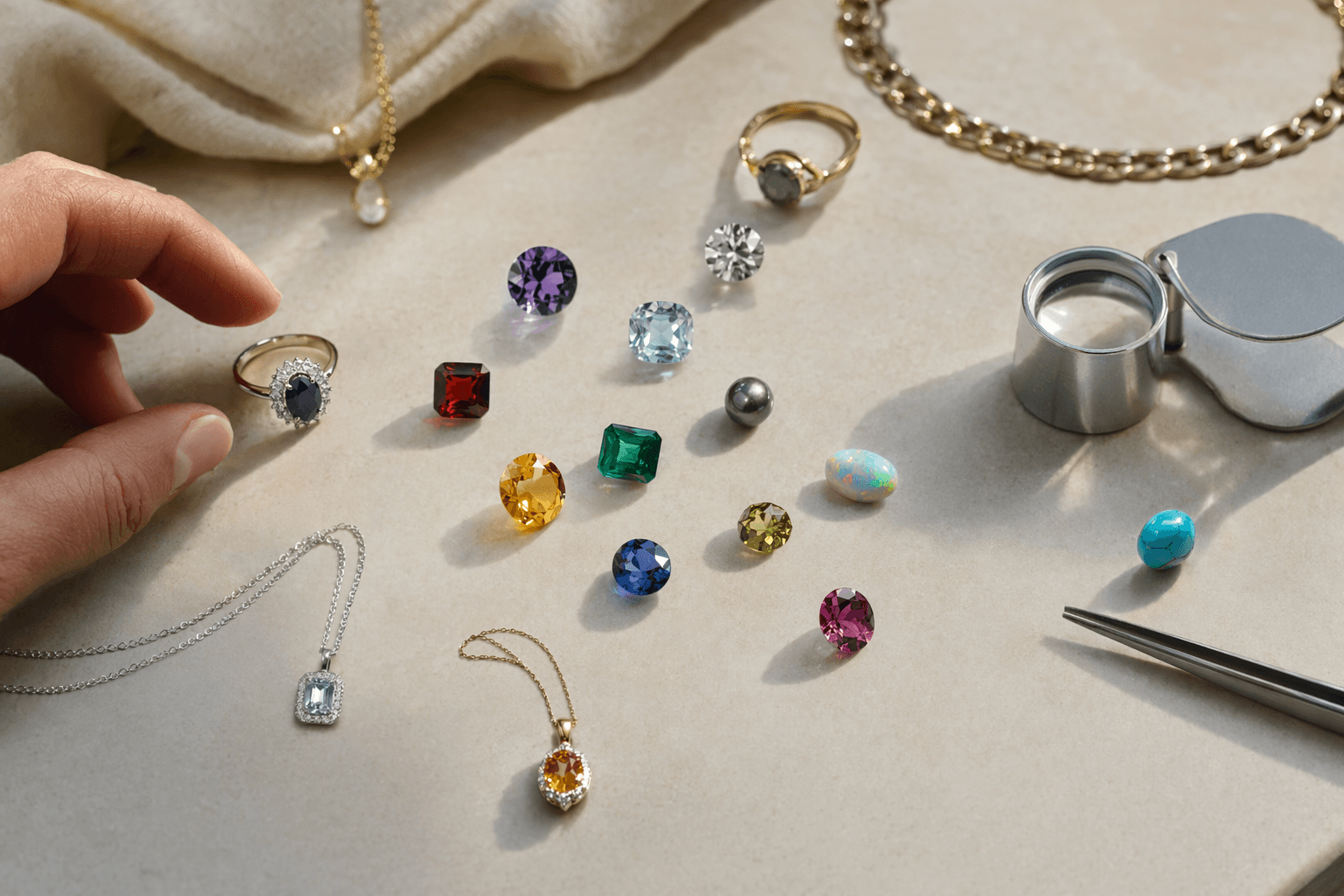
**Why is my birthstone this stone at all?** The answer begins in ritual, passes through retail history, and ends at the jewelry case, where color, clarity, and cut decide whether a gem feels merely assigned or genuinely personal. Fewer than 100 of the more than 2,000 identified natural minerals are used as gemstones, and only 16 have achieved real importance, which is part of why birthstones still feel like a curated language rather than a random list.
From sacred breastplate to standardized list
Britannica traces the tradition back to the breastplate, or oshen, of Aaron, the Jewish high priest, which was said to hold 12 stones for the 12 tribes of Israel. That origin explains the enduring sense that a birthstone is more than decoration: it is identity, memory, and a small talisman worn in public.
The modern U.S. birthstone list is much newer. It was standardized in 1912 by the American National Retail Jewelers Association, now Jewelers of America, a move that gave the tradition the tidy monthly structure shoppers know today. The list has continued to shift with taste and practicality, and Jewelers of America added spinel as an August birthstone in 2016.
Why the list changed over time
The 20th-century birthstone chart was not frozen in place by romance alone. Britannica notes that it was supplemented with synthetic or alternative stones for some rarer, less-attractive, or less-durable natural gems, and the natural-stone list was also broadened to make it more acceptable to both sexes. In other words, the birthstone system became more wearable, more commercial, and more democratic without losing its symbolism.
That evolution matters when you shop. A birthstone is not just a month tag, it is a judgment call about beauty, durability, and value. The best version of the stone is the one that looks alive on the body and suits the way it will actually be worn.
How to judge a birthstone like a jeweler
For colored stones, Jewelers of America’s best advice is beautifully unfussy: choose what you find beautiful, and compare several stones because hue, tone, and saturation can change the entire character of a gem. A ruby-like red, a blue that feels electric, or a green that goes deep and grassy can all read very differently once set in metal.
The diamond 4Cs, carat, clarity, color, and cut, are still a useful reference point, but colored gemstones ask for a slightly different eye. Color often leads, followed by overall beauty and durability. Clarity matters, but not in the same way it does for diamonds: some gems are prized for visible character, while others lose their charm if they look sleepy or cloudy. Cut matters too, because a fine cut can make a modest stone glow and a poor one look flat.
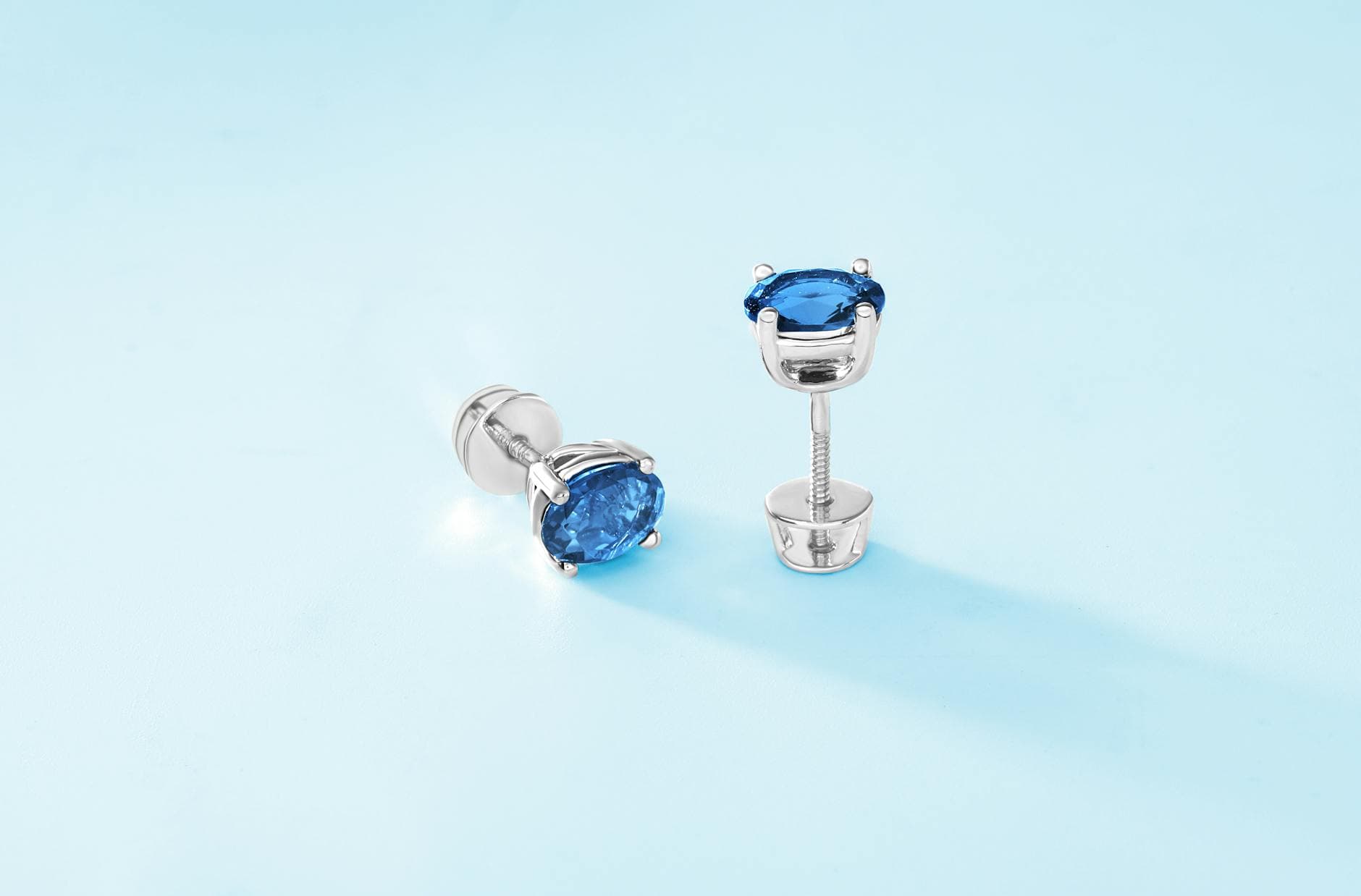
Setting choice matters just as much. A bezel wraps the stone in metal and gives it more protection, which is especially smart for softer or more fragile gems and for pieces meant for daily wear. Prongs lift the stone into the light, which can make color appear brighter and more open, but they expose more of the gem’s edges. If you want a birthstone ring to survive a real life of typing, commuting, and constant wear, that structural decision is as important as the stone itself.
The stones most people know best
January’s garnet is a whole family rather than a single look, which is part of its appeal. Its wide color range means it can be deep and wine-dark, or far more surprising, and that versatility makes it easy to wear in everything from a slim stacking ring to a substantial pendant. The myth is that garnet means red and only red; the reality is far richer.
February’s amethyst is the purple variety of quartz, and its appeal lives in tone. Too pale, and it can look washed out; too dark, and it can lose the glow that makes amethyst feel regal instead of heavy. It is one of the clearest examples of how color, not just category, determines desirability.
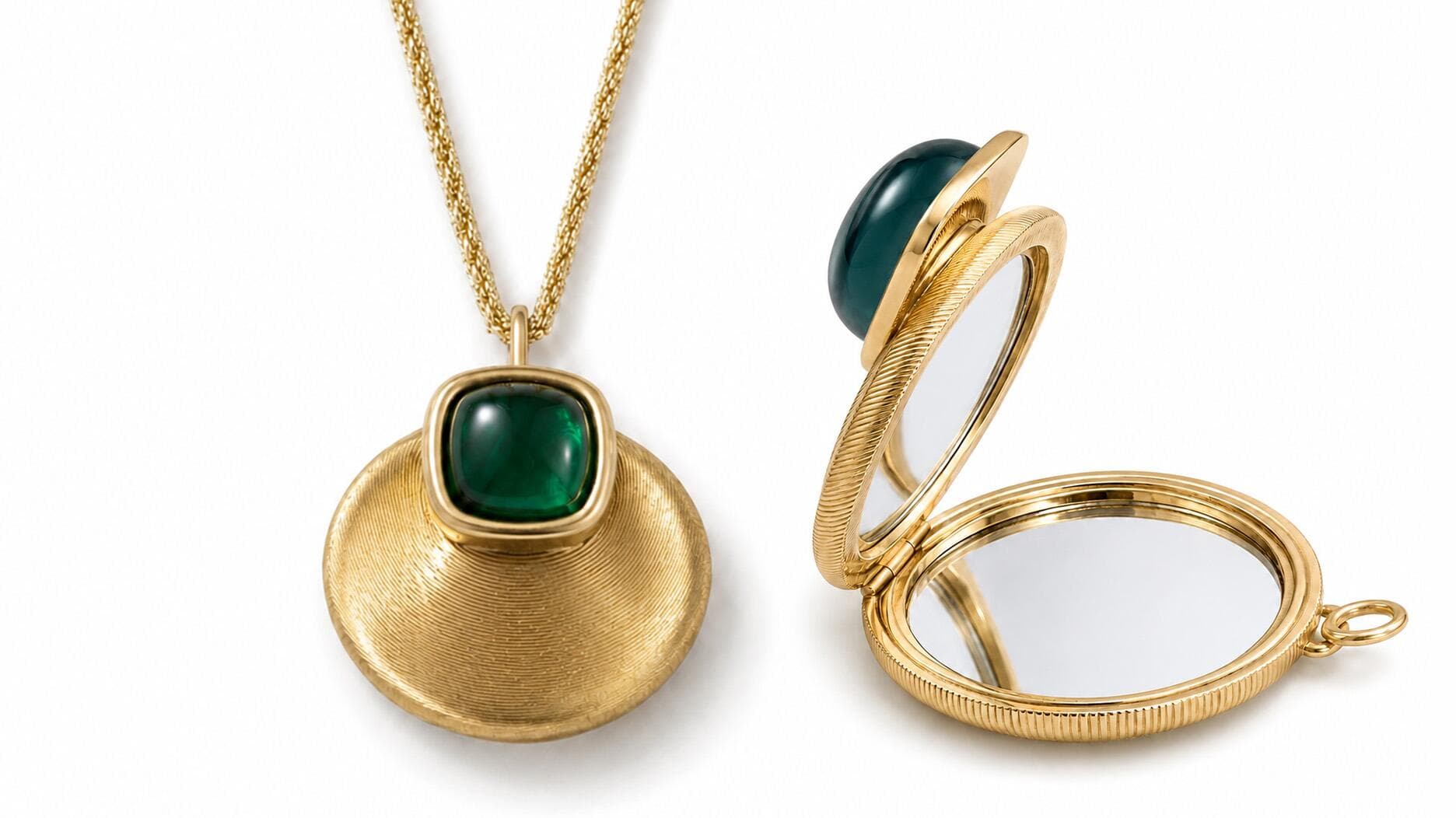
May’s emerald brings drama in a quieter register. It is a variety of beryl, and its value lies in that impossible green, not in perfect transparency. A truly believable emerald often has visible inclusions, which is part of why this stone feels alive rather than overly polished. In emerald, character is not a flaw so much as a signature.
September’s sapphire is the great shape-shifter. It occurs in almost every color, including yellow, pink, green, and purple, which is the first thing worth remembering if you think sapphire means blue and nothing else. That spectrum makes sapphire one of the most versatile birthstones for shoppers who want longevity without sacrificing personality.
October’s opal is the most theatrical of the group, known for its unique play-of-color, the shifting flashes that seem to move under the surface. That iridescence is its magic, and also its warning label: opal is best treated with care, especially in rings worn every day. The myth is that opal is one fixed color with a little sparkle; the reality is a living optical event.
What makes a birthstone gift feel thoughtful
The best birthstone jewelry does not shout the month first and the design second. It balances symbolism with craftsmanship: a stone with the right body color, a setting suited to its durability, and a scale that feels considered rather than generic. A slim bezel-set garnet can feel modern and intimate; a prong-set sapphire can look bright and architectural; an emerald in a protective mount can read as elegant without being precious about itself.
That is why birthstones endure. They are one of the rare jewelry traditions that can carry ancient meaning, modern design, and real-world wearability in the same small space. A good birthstone piece does not just mark a birthday. It turns a month into something you can hold, wear, and remember.
This article was produced by Prism’s automated news system from verified source data, official records, and press releases, then run through automated quality and moderation checks before publishing. The system is built and supervised by the people who set the standards it runs under. Read our full AI policy.
Did this article answer your question?