Birthstone jewelry gains traction as gold and color drive JCK trends
Birthstone jewelry is shedding its token-gift reputation as yellow gold, bezels, and sculptural silhouettes turn color into daily luxury.
Birthstones move from sentiment to statement
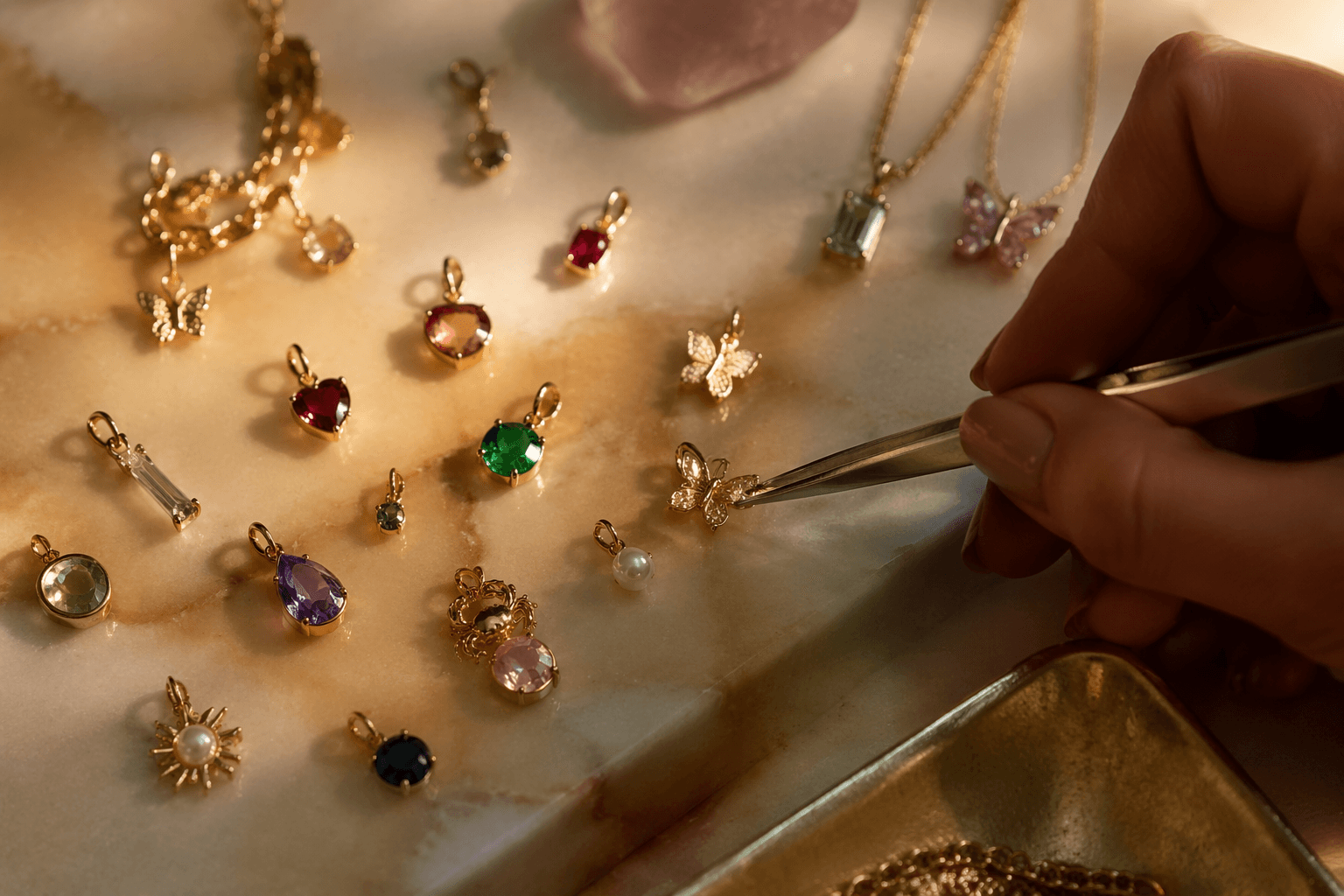
Birthstone jewelry is shedding its token-gift reputation. The strongest pieces heading into JCK lean into bold yellow gold, substantial chains, sculptural cuffs, and bezel-set stones that feel modern, permanent, and meant to be worn often. That shift matters because birthstones are no longer being treated as a sentimental afterthought to diamonds; they are becoming one of the cleanest ways to buy into color with confidence.
JCK’s own 2026 preview frames the show-floor conversation around gold pricing pressures, diamonds, color, and versatility, which is exactly why birthstones feel newly relevant. When gold remains expensive, every gram has to earn its place. A heavier, more decisive setting, especially in yellow gold, gives a colored stone the kind of visual authority that makes a piece feel investment-worthy rather than merely decorative.
Why the best birthstone pieces look substantial
The most convincing birthstone jewelry does not hide its materials. A bezel setting, unlike a prong setting, gives a stone a rim of metal that protects the edges and creates a crisp outline, which suits daily wear and lends the gem a graphic, finished presence. That is one reason bezel-set pendants and rings are likely to win: they read as design objects first, keepsakes second.
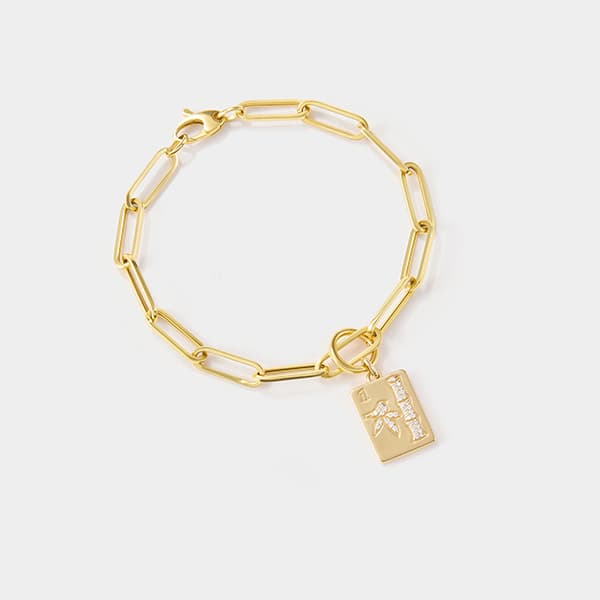
The same logic applies to sculptural rings and cuffs. These are high-visibility formats, the kinds of pieces that sit on the body with enough volume to register from across a room. In yellow gold, they give a ruby, garnet, amethyst, peridot, or any other birthstone more weight than a delicate cluster or whisper-thin band ever could. For a category often tied to gifting, that is an important correction. The piece has to feel like jewelry, not just a marker of a month.
Color is no longer the quiet part of the story
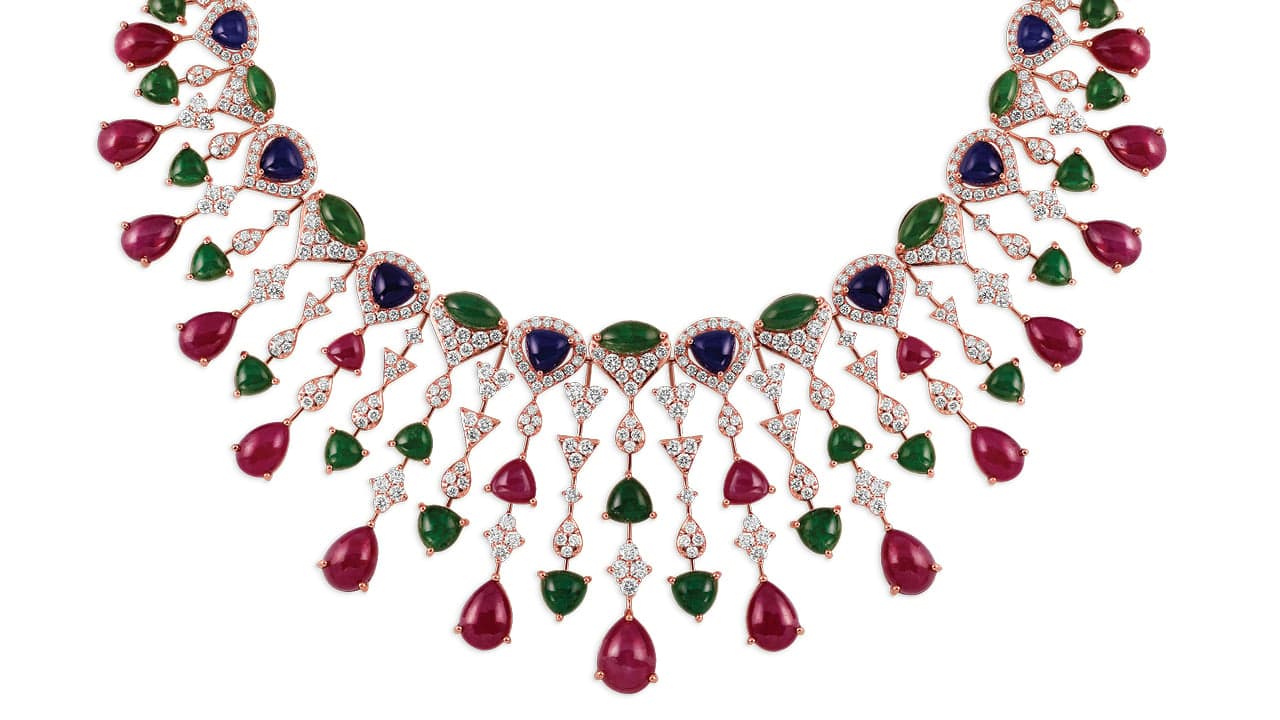
JCK’s Summer 2026 magazine, a 138-page celebration of color, makes the point plainly: colored-stone jewelry is central to the conversation. Victoria Gomelsky’s reporting from Tucson pointed to higher-end consumer demand for garnet, spinel, and paraiba tourmaline, stones that signal a more educated, more discerning color buyer. That matters because birthstone jewelry is increasingly being asked to do what fashion jewelry once did best, offer personal meaning without sacrificing visual impact.
The broader trade is reinforcing the same idea. At a June 8, 2025 AGTA panel at JCK Las Vegas, AGTA Board President Bruce Bridges said, “There’s great excitement for color, that is the future.” That line captures the mood on the floor: color is not a side story, it is the story. When a birthstone ring is designed with the same seriousness as a diamond band, it stops feeling like a placeholder and starts reading as a considered choice.
Supply, pricing, and why craftsmanship matters more now
The trade’s color enthusiasm is being shaped by supply realities as much as by taste. Jeremy Chalchinsky of Color Source Gems said colored-stone supply has been extremely challenging in the last 12 to 24 months, citing higher mining costs, lower yields, and heavier competition at auction. He also noted that some material is more included and that prices are not likely to come down soon.
That is precisely where design earns its premium. When rough material is harder to source and cleaner goods are harder to secure, a well-made setting can elevate what is available. A bezel can make a slightly included gem feel intentional. A broad gold cuff can give a birthstone enough presence that the eye goes first to color, not to weight or size. In other words, craftsmanship becomes the difference between a trinket and a piece with staying power.
The market backdrop explains the merchandising shift
AGTA’s market essay sharpens the commercial picture. Colored gemstone imports rose 136% from 2020 to 2024 in BEA data, while diamond imports rose 45% between 2020 and 2022 before falling 54% by 2024. Those numbers do not just describe a changing category mix; they explain why retailers are leaning harder into color as a business strategy.
Birthstones sit at the intersection of that shift. Jewelers of America traces the official U.S. birthstone list to 1912, when it was established by the American National Retail Jewelers Association. That history gives the category a ready-made emotional framework, but the current moment gives it new commercial muscle. Birthstones are easy to understand, easy to gift, and increasingly aligned with what shoppers want now: pieces that feel personal, visibly colored, and substantial enough to wear beyond the occasion that inspired them.
What is likely to resonate next
The winning birthstone pieces are the ones that combine clarity of form with color intensity. Bezel-set pendants work because they isolate the stone and let it read cleanly against skin. Sculptural rings succeed because they turn a birth month into a daily signature. Cuffs and other high-visibility styles matter because they give color scale, and scale is what separates meaningful jewelry from jewelry that disappears.
That is why the JCK direction matters for the next wave of birthstone design. It suggests a category moving away from fragile sentiment and toward modern permanence, with yellow gold as the frame, color as the message, and wearability as the proof. In a market where gold prices still command attention and colored stones are gaining cultural and commercial weight, birthstone jewelry is becoming one of the clearest expressions of how the trade wants to dress right now.
This article was produced by Prism’s automated news system from verified source data, official records, and press releases, then run through automated quality and moderation checks before publishing. The system is built and supervised by the people who set the standards it runs under. Read our full AI policy.
Know something we missed? Have a correction or additional information?
Submit a Tip