Birthstone jewelry leans into personalization as ruby shines for July
Birthstones are shifting from calendar markers to personal keepsakes, and ruby’s July slot is gaining strength through color, provenance, and vintage shape.

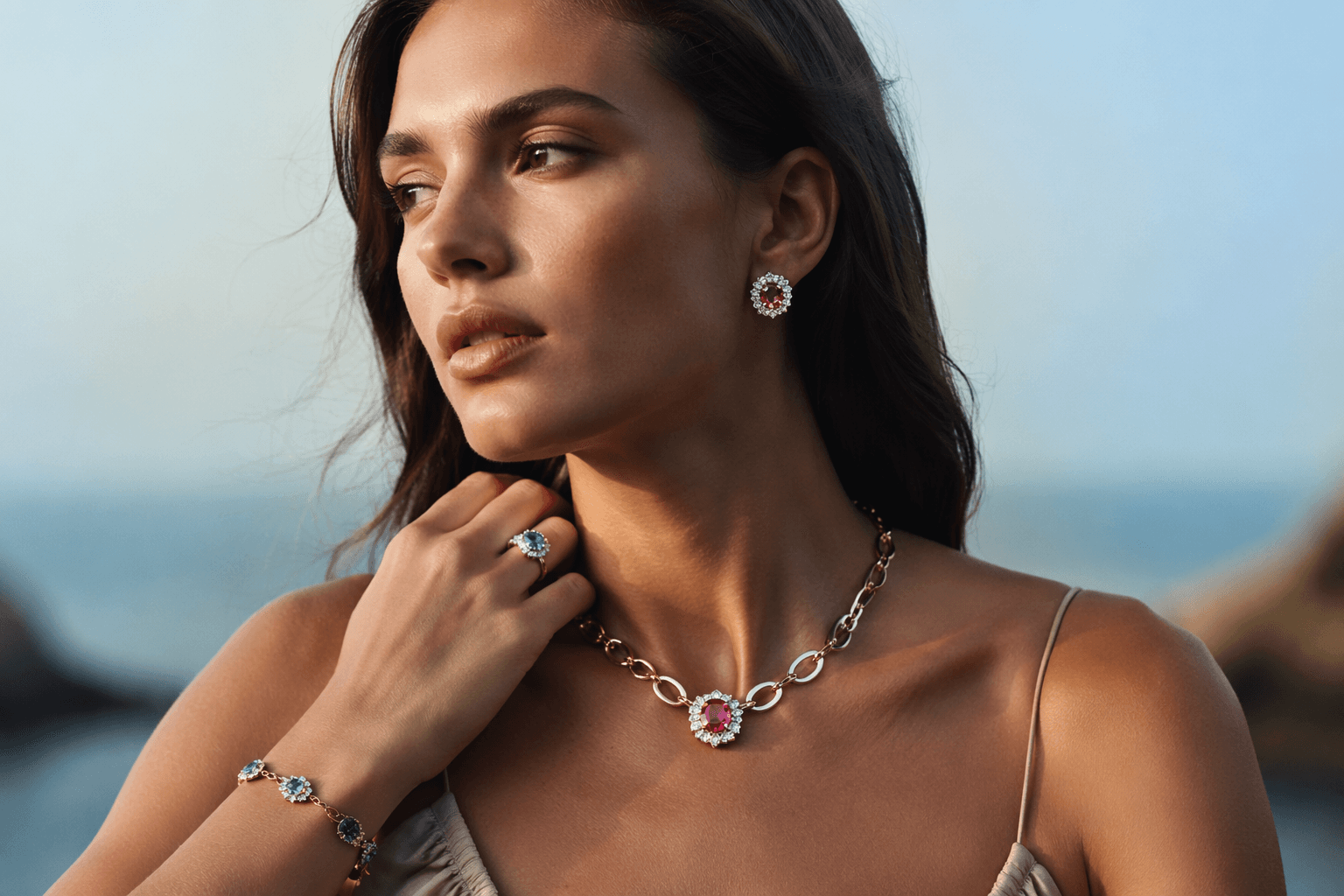
**Birthstones are at their best when they feel personal, not preset.** That is why the category is finding new energy in 2026: shoppers are responding to pieces that carry a story, can be stacked or styled multiple ways, and feel collectible enough to outlast one season of taste. For July, ruby sits at the center of that shift, carrying both the authority of tradition and the heat of a red-stone moment that feels especially current.
Why birthstones are back in the conversation
Birthstone jewelry works because it is never just about the month. Jewelers of America says birthstones appeal to audiences around the world regardless of gender, age, nationality or religion, which helps explain why the category keeps widening rather than narrowing. The official U.S. birthstone list dates to 1912, when it was established by the American National Retail Jewelers Association, now Jewelers of America, but the appeal has moved well beyond a fixed chart into a language of identity, milestone, family ties, and gift giving.
That broader use case matters in a year when personalization continues to steer jewelry buying. Industry trend coverage for 2026 keeps pointing to personalization, stacking, and vintage-inspired design, and birthstone jewelry fits all three with unusual ease. A ring can be built into a stack, a pendant can be layered, and a stone chosen for a child, a partner, or a wedding anniversary instantly becomes more than a decorative accent.
Ruby gives July a stronger case than sentiment alone
July’s official birthstone is ruby, and it arrives with a seriousness that many gems can only borrow. The Gemological Institute of America says ruby is the most valuable variety of the corundum mineral species, and its name comes from the Latin word *ruber*, meaning red. That linguistic root still feels apt: ruby does not whisper. It announces itself.
The stone also carries anniversary meaning, as GIA identifies ruby as the gem for the 15th and 40th wedding anniversaries. That gives it an advantage in the gifting market, because it can serve more than one sentimental occasion without feeling repetitive. A July birthday, a milestone marriage, and a family heirloom-in-the-making can all point to the same gem, which is exactly the kind of overlap retailers want in a giftable category.
The red-stone trend has a real anchor in ruby lore
Not every trend has staying power, but red stones have the kind of visual certainty that tends to endure. Ruby is especially well positioned because its appeal is not only chromatic, it is cultural. GIA says rubies have long been associated with royalty, and medieval Europeans believed they could bring health, wealth, wisdom, and success in love. That lore still resonates because it gives the stone emotional density, not just color.
This is where ruby differs from more fleeting trend-driven jewelry. Tassels may need movement to work, and alternative materials may feel more mainstream as shoppers experiment, but ruby carries a deeper archive of meaning. The red-stone trend may help open the door, yet ruby’s legacy is what keeps it open.
What lasts, and what may be more seasonal
In the current market, the most durable birthstone pieces are the ones that combine story with wearability. Vintage-inspired settings have staying power because they suggest inheritance, craftsmanship, and a sense of time. Stacking also remains strong because it invites collecting, letting a birthstone band, charm, or ring sit beside future purchases rather than compete with them.
Tassel designs are more fashion-forward. Their appeal depends on motion, drama, and a certain ease with ornament, which makes them exciting but less universal. Alternative materials are becoming more mainstream as well, and that can broaden the audience for birthstone jewelry, especially at lower price points, but those pieces often trade on novelty rather than long-term resale strength. If the goal is a piece that may hold value beyond the first season of wear, classic precious materials and clean, adaptable construction generally make a stronger case.
How jewelers are selling the idea, not just the stone
Independent jewelers are leaning into the tactile side of the category because birthstones often sell through feeling rather than specification. Storytelling, curated displays, and pieces customers can touch and try on are proving especially effective with colored stones, which can change dramatically under different light and against different skin tones. That matters for ruby, whose color has to be seen in person to be fully understood.
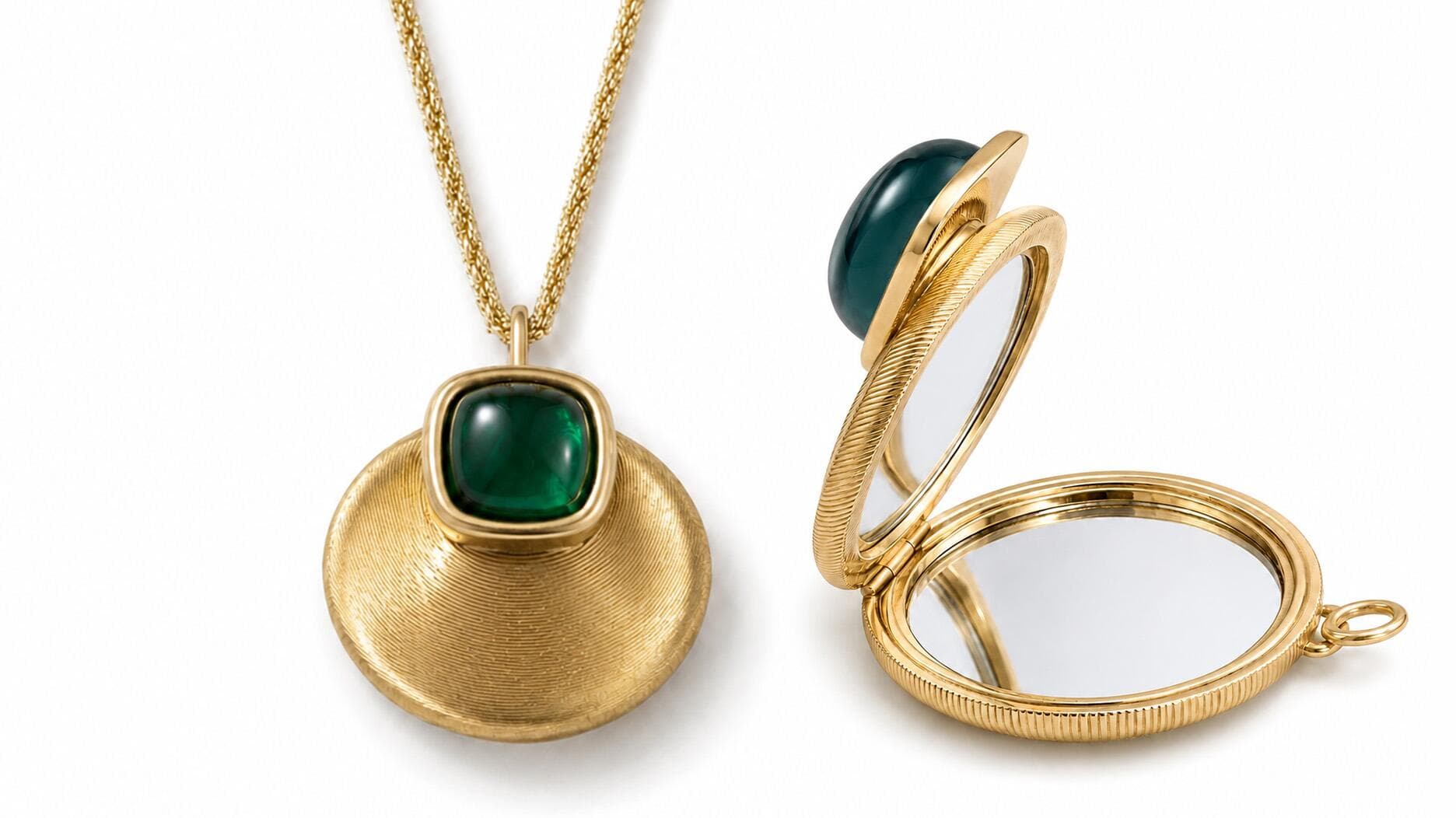
The most persuasive birthstone presentation is rarely the most crowded. A single ruby pendant, a well-made bezel-set ring, or a vintage-style cluster can communicate more clearly than a case packed with options. The point is to help shoppers imagine the piece in their own life, not to overwhelm them with inventory.
What to look for before buying ruby birthstone jewelry
When ruby is the goal, provenance and craftsmanship should guide the purchase as much as sentiment. GIA identifies important ruby sources in Myanmar, Vietnam, and Mozambique, and those origins can matter to collectors who care about rarity, color character, and market reputation. Just as important is treatment status, because transparency there helps distinguish an everyday gift from a piece with stronger investment logic.
- Setting style: A bezel can make a ruby feel sleek and secure, while prongs show more of the stone and can amplify light return.
- Wearability: Stacking rings and slim pendants have the broadest everyday appeal, while larger statement settings suit a more deliberate wardrobe.
- Story: A ruby tied to a family milestone or anniversary often has greater emotional value, which can support its desirability over time.
- Construction: Clean finishing, balanced proportions, and durable metal work matter as much as the gem itself.
A few details deserve attention:
The buying map for the year ahead
If 2026 is any guide, birthstone jewelry is moving away from fixed symbolism and toward personal curation. Ruby benefits from that shift more than most stones because it already sits at the crossroads of color, history, and occasion. It is July’s birthstone, a 15th and 40th anniversary gem, a royal stone, and the most valuable variety of corundum. Those are not just marketing lines; they are reasons a shopper may choose ruby once and keep returning to it.
The pieces most likely to win are the ones that balance resonance with versatility: a vintage-leaning ruby ring, a stackable band, a pendant with clear provenance, or a gift that can be worn every day and remembered for years. In a market crowded with trend language, ruby’s advantage is that it already feels like a story worth keeping.
This article was produced by Prism’s automated news system from verified source data, official records, and press releases, then run through automated quality and moderation checks before publishing. The system is built and supervised by the people who set the standards it runs under. Read our full AI policy.
Did this article answer your question?