Birthstone jewelry takes center stage as designers rethink gold costs
High gold prices are pushing birthstone jewelry toward color, story, and smarter price points, with JCK’s Las Vegas floor showing where demand is headed.

The show-floor signal
Birthstone jewelry is having a sharper, more practical moment because the market is asking for more than metal weight. With gold prices still pressuring designers, the strongest pieces are leaning into color, meaning, and versatility, which makes birthstones feel less like a preset gift and more like a personal jewel that can justify its place in a case at several price points.
That shift is easy to read on the trade-show floor. JCK and Luxury, the global jewelry fairs staged every year during the last week of May and early June in Las Vegas, are the industry’s biggest annual checkpoint for what buyers will see next. JCK returns to The Venetian Expo in Las Vegas, Nevada, from Friday, May 29, to Monday, June 1, 2026, with a program built around business, inspiration, networking, educational sessions, and industry celebrations. In other words, this is where the trade decides whether a category is merely seasonal or genuinely collectible.
Why birthstones fit this market
The current jewelry conversation, shaped by gold pricing pressures along with shifting consumer interest in diamonds, color, and versatility, is exactly the kind of environment where birthstones can outperform more metal-heavy concepts. They offer an easy entry point into colored stones, but they also carry a built-in layer of meaning that helps the piece feel intentional rather than decorative for decoration’s sake.
That matters because birthstones already have global recognition. GIA describes them as a colorful introduction to gemstones that appeals across age, nationality, and religion, while Jewelers of America traces the official modern birthstone list back to 1912. Put those facts together and the category starts to look less like a novelty and more like a durable language of self-expression, one that can be reinterpreted for modern shoppers without losing its emotional anchor.
The strongest signal is that birthstones now sit at the intersection of personalization and colored gemstones. They are emotionally legible, easy to gift, and flexible enough to move from delicate everyday wear to more collectible design. In a market where buyers are increasingly wary of paying simply for gold content, that combination feels especially relevant.
What designers are actually making
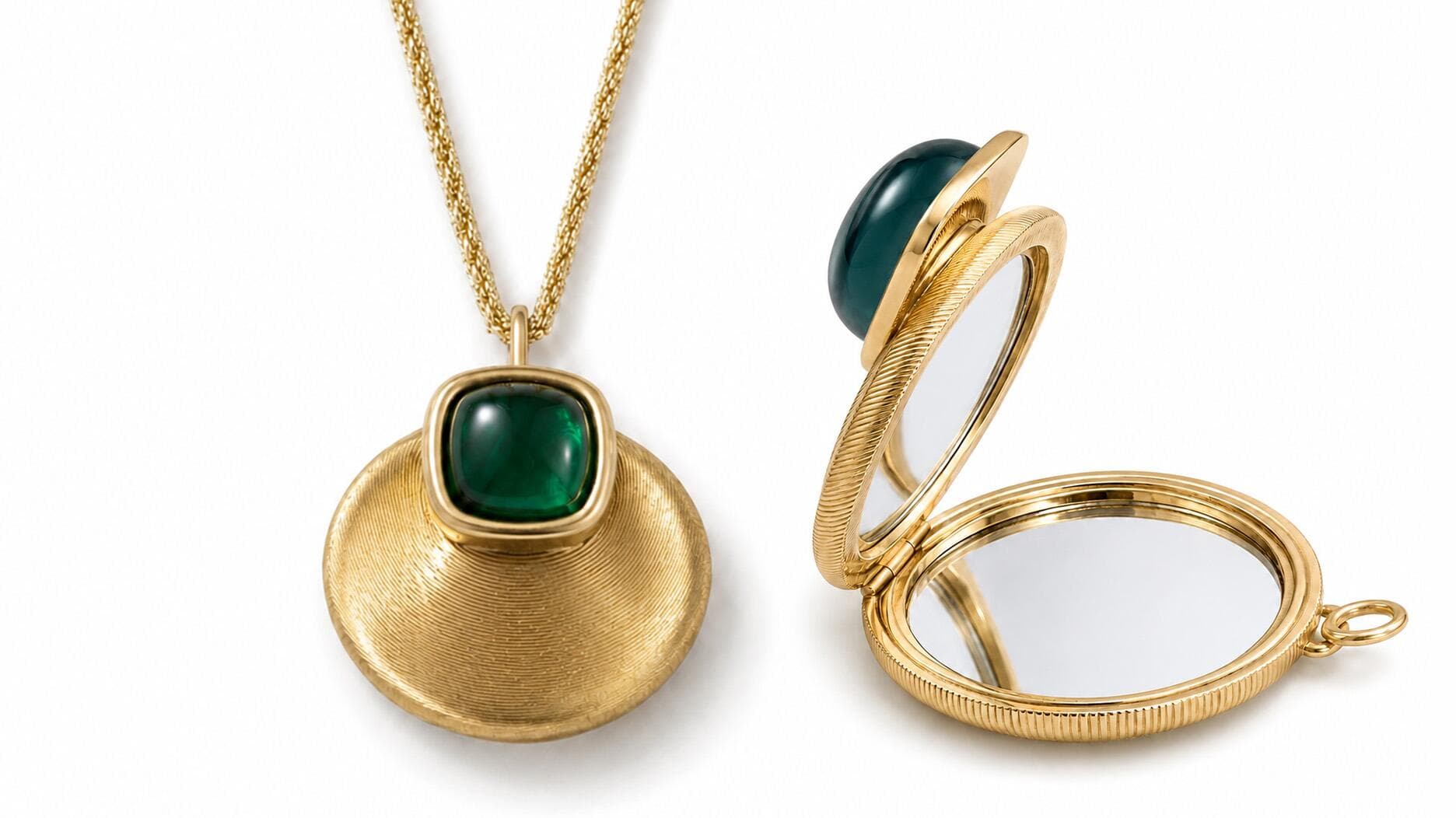
One of the clearest examples comes from Asheville, North Carolina-based Q Evon Fine Jewelry, which is debuting a new approach to birthstone jewelry at JCK. Founder Suzanne Q. Evon had once ruled out making a birthstone collection at all, then changed course toward something more meaningful and artisanal. That pivot says a lot about where the category is heading: away from generic month-by-month formulas and toward pieces with a stronger point of view.
The most promising birthstone designs are the ones that feel edited. Rather than relying on heavy settings or obvious sentiment, they use well-chosen stones, cleaner lines, and enough restraint to make the gemstone itself do the work. That is where the category can feel current. A birthstone ring, pendant, or charm no longer has to announce itself as a traditional keepsake; it can read as a polished piece of jewelry first and a personal marker second.
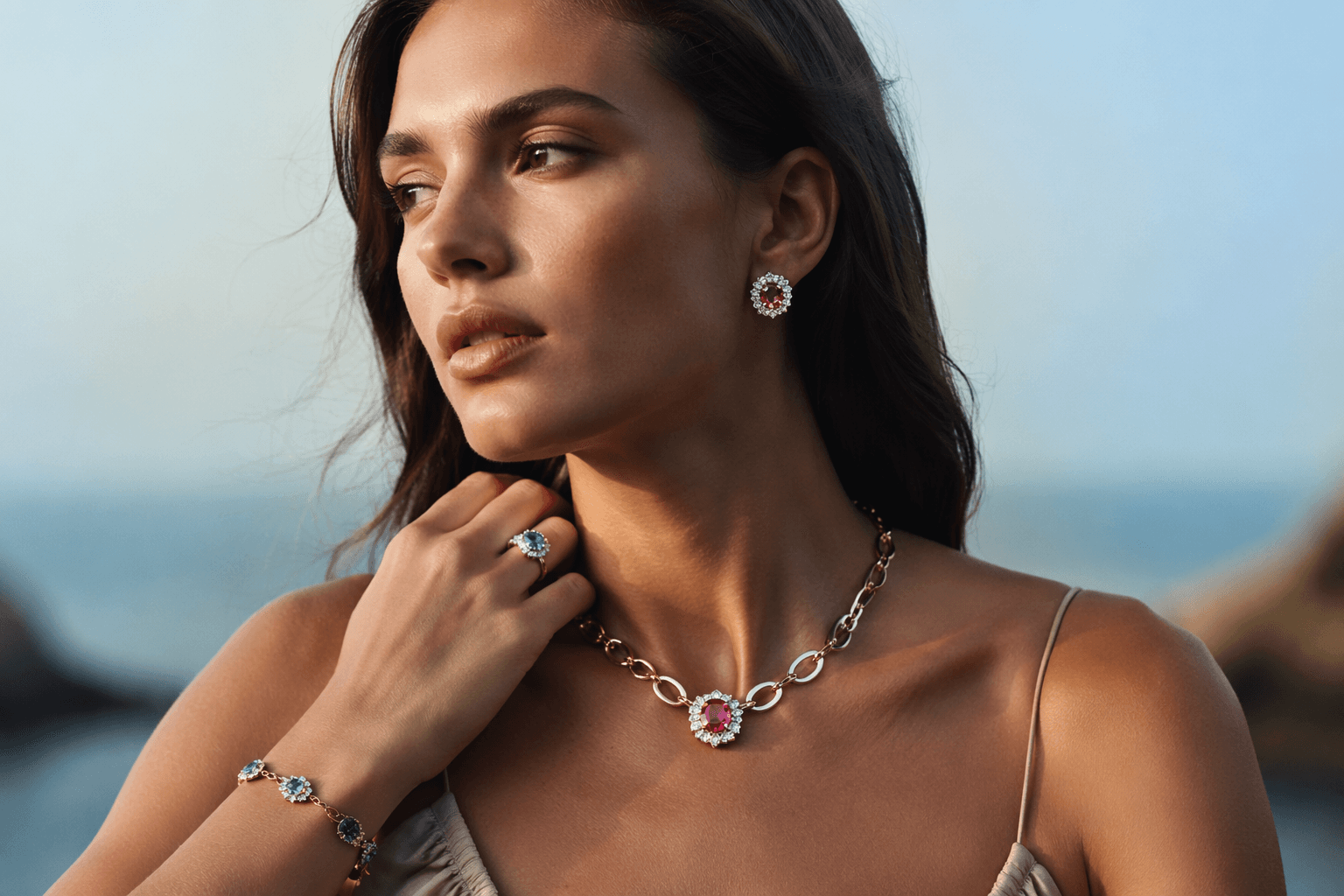
JCK’s recent editorial attention to January garnet pieces and March aquamarine features reinforces that shift. Those stones are not being treated as isolated monthly curiosities. They are being framed as part of a broader appetite for color-led, story-rich jewelry that can be worn beyond a birthday month and still feel specific to the wearer.
What to look for when buying
The smartest birthstone purchases now tend to favor craftsmanship and wearability over size for size’s sake. Because gold prices are pushing designers to rethink material use, lighter-weight construction and more refined silhouettes can offer better value than bulky settings that depend on metal volume rather than design intelligence.
Look for pieces that do at least one of these things well:
- Center the gemstone in a way that lets color carry the design.
- Use slimmer or lighter settings that keep the focus on the stone.
- Offer versatility, such as stacking rings, pendants, or simple forms that layer easily with existing jewelry.
- Tell a story through the stone choice, whether that means a birth month, a family milestone, or a stone with personal resonance beyond the calendar.
The best versions of the category avoid overexplaining themselves. Birthstones already come with cultural memory and emotional meaning, so the design does not need to shout. A well-cut garnet in a clean setting can feel more contemporary than a heavier piece with more gold and less point of view. The same is true of aquamarine, where the appeal often lies in clarity, color, and the airy feeling it brings to a design.
Why this matters beyond birthdays
What happens at JCK matters because the fair often foreshadows how jewelry demand evolves once buyers return home. Birthstone jewelry is no longer just birthday gifting, even if that remains its most obvious use. It is moving into the wider category of identity jewelry, where family connections, milestone dates, and personal symbolism all compete with classic luxury signals like carat weight and metal density.
That is why the category is so well positioned in a year shaped by high gold prices. It lets designers build pieces that feel meaningful without requiring unnecessary material excess. It also gives shoppers an easier way to buy something personal at multiple price points, from a modest pendant to a more collectible stone-forward design.
The larger market message from Las Vegas is clear: the future of birthstone jewelry will belong to pieces that feel chosen, not assigned. In a cost-conscious market, the value is shifting from gold alone to story, color, and design that wears beautifully every day.
This article was produced by Prism’s automated news system from verified source data, official records, and press releases, then run through automated quality and moderation checks before publishing. The system is built and supervised by the people who set the standards it runs under. Read our full AI policy.
Did this article answer your question?