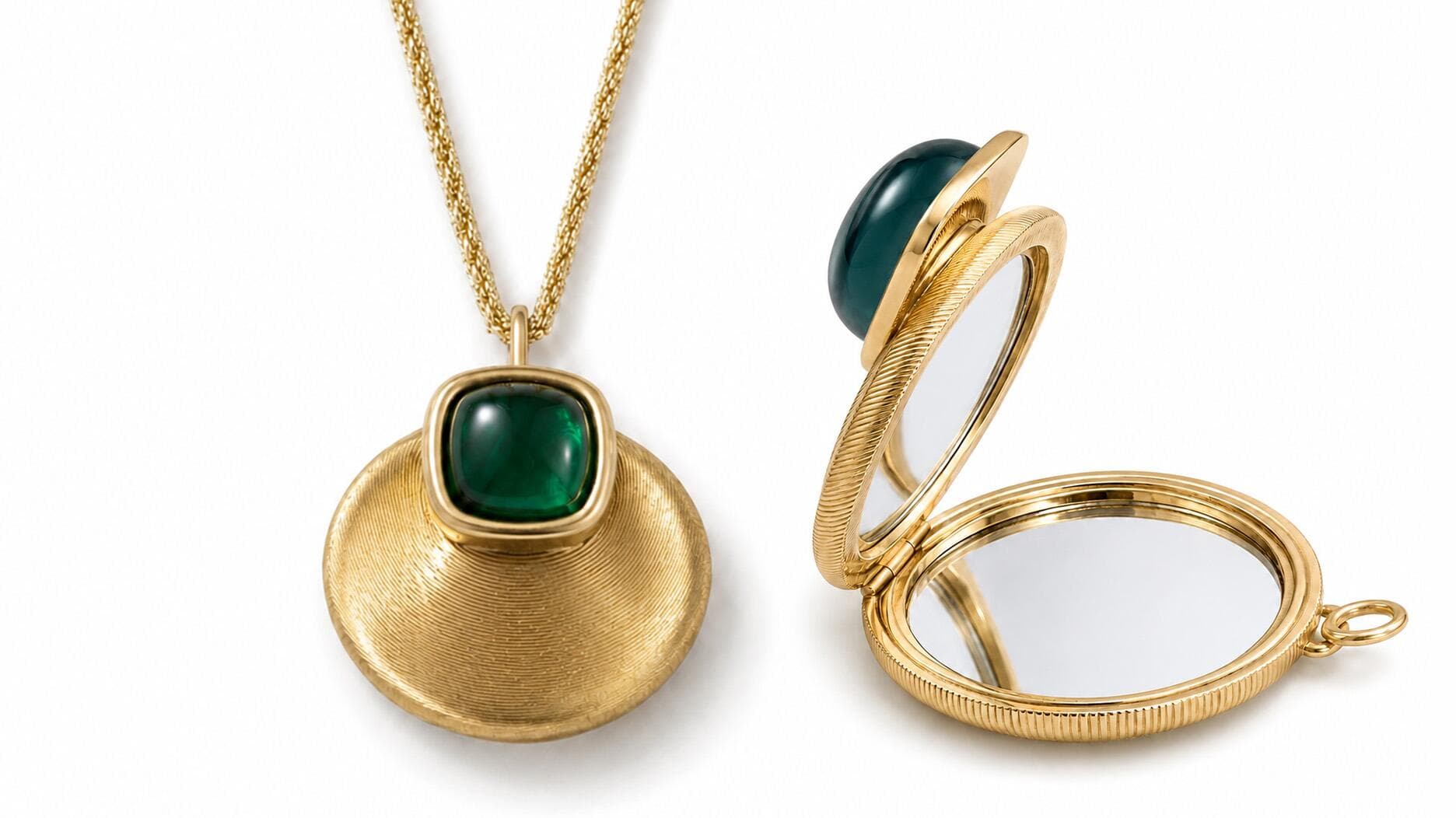
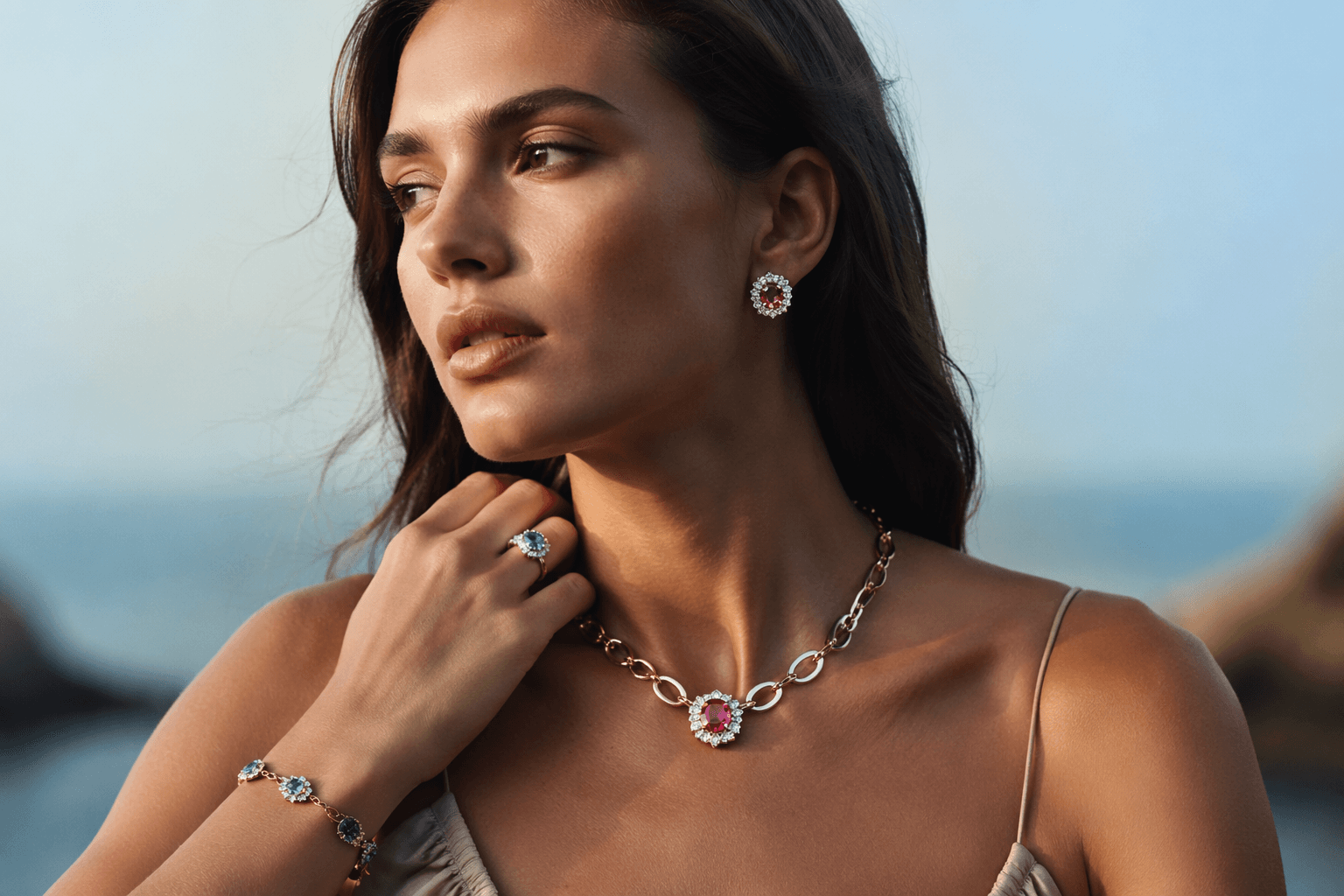
Birthstone jewelry taps 2026's shift toward personal meaning
Considered buyers are turning birthstones into stackable, color-forward keepsakes, with June’s pearl, alexandrite and moonstone widening the styling possibilities.

Birthstone jewelry is benefiting from a bigger shift in how people buy: less impulse, more intention. Pieces that carry personal meaning now have an edge, especially when they are easy to wear, easy to stack and rich in color.
Why birthstones fit the 2026 mood
For summer 2026, jewelry is moving toward marine motifs, bold florals, personalized stacking and bright palettes, a combination that gives birthstones new relevance beyond the classic solitaire pendant. That matters because the category already arrives with built-in storytelling: the stone marks a month, carries symbolism and feels unmistakably personal.
The Gemological Institute of America describes birthstones as a popular, colorful introduction to gemstones, and one that appeals around the world regardless of gender, age, nationality or religion. That broad appeal is part of the commercial logic. A birthstone piece can be a self-purchase, a family gift or a layered add-on, which makes it more adaptable than a single-purpose jewel.
WGSN’s Future Consumer 2026 forecast sharpens that picture further. It says consumer behavior is changing faster than ever, emotional engagement and joy are major drivers, and many people are shifting away from traditional milestones like marriage or homeownership toward smaller, more personal achievements. In that context, birthstone jewelry does not have to wait for an engagement, anniversary or graduation to feel relevant. It can mark a promotion, a new apartment, a first child or simply a season of self-recognition.
The designs translating into sales
The strongest birthstone pieces in this market do not look static. They are built for layering, clustering and mixing, which is exactly why stacked rings, charm bracelets and short necklaces are doing so much heavy lifting. Personalized stacking gives buyers a way to combine a birthstone with a signet, a diamond spacer or a second family gem, turning a simple motif into a living set that can be added to over time.
Forbes pointed to four jewelry directions defining summer 2026: marine-inspired motifs, bold florals, personalized stacking and bright color palettes. Birthstones slot neatly into all four. A sapphire can sit inside a wave-like bezel; a ruby can anchor a floral cluster; a family ring stack can mix multiple months; and a bright stone can supply the color that minimalist metalwork once withheld.
That shift away from bare restraint also appears in broader industry coverage. Fashionista quoted jewelry designer Jillian Sassone saying, “Jewelry in 2026 feels sculptural, statement-making and personal.” That is an apt shorthand for what birthstone jewelry is becoming: less token, more object. JCK’s 2026 trend coverage points in the same direction, describing a market that rewards beauty, craftsmanship, meaning and a range of price points rather than a single luxury code.
How June shows the opportunity
June is the clearest example of how flexible the category can be. GIA identifies three birthstones for the month: pearl, alexandrite and moonstone. That gives designers and retailers a much wider palette than a single-stone month, and it makes June especially fertile for layered or mixed-gem work.
Pearl brings softness and tradition, while alexandrite carries a more dramatic, collector-minded appeal because of its color-change mystique. Moonstone adds a luminous, slightly ethereal quality that works beautifully in modern settings, especially when paired with gold or grouped into celestial and ocean-inspired designs. Together, the three stones let a birthstone story move in multiple directions, from delicate and bridal-adjacent to fashion-forward and sculptural.
That variety also makes June an instructive case for shoppers. If a birth month offers multiple options, the better piece is not always the most obvious one. A moonstone ring with a sculpted bezel can feel fresher than a plain pearl strand; an alexandrite pendant can feel more distinctive than a single-stone charm. The point is not to choose the most literal version, but the one that fits the wearer’s style and daily wardrobe.
What to look for in a piece worth keeping
The most convincing birthstone jewelry does not rely on sentiment alone. It still needs thoughtful construction, and the setting should support the stone rather than overpower it. Stacking rings need clean proportions so they sit well together. Pendants need enough presence to hold their own against other layers. Floral pieces work best when the motif is readable but not overworked, so the stone remains the focal point.
- combines several gems into a family stack or layered story
- uses a setting that flatters the stone’s color and shape
- offers enough design character to feel personal, not generic
- can be worn now and added to later
A strong birthstone purchase usually does at least one of these things:
That last point is especially important in a market shaped by considered buying. Buyers are not simply looking for “birthstone jewelry” as a category label. They want a piece that can travel across outfits, occasions and life stages without losing its meaning.
The larger takeaway for the category
Birthstone jewelry is rising because it answers two desires at once: the wish for beauty and the need for significance. Bright color, stacking and personalization give the category enough visual freshness to feel current, while the month-based symbolism makes it easy to gift, collect and build over time.
In a market that increasingly values emotional engagement, smaller achievements and jewels with a point of view, birthstones are no longer a fallback. They are one of the clearest ways jewelry is turning personal meaning into something people actually wear.
This article was produced by Prism’s automated news system from verified source data, official records, and press releases, then run through automated quality and moderation checks before publishing. The system is built and supervised by the people who set the standards it runs under. Read our full AI policy.
Did this article answer your question?