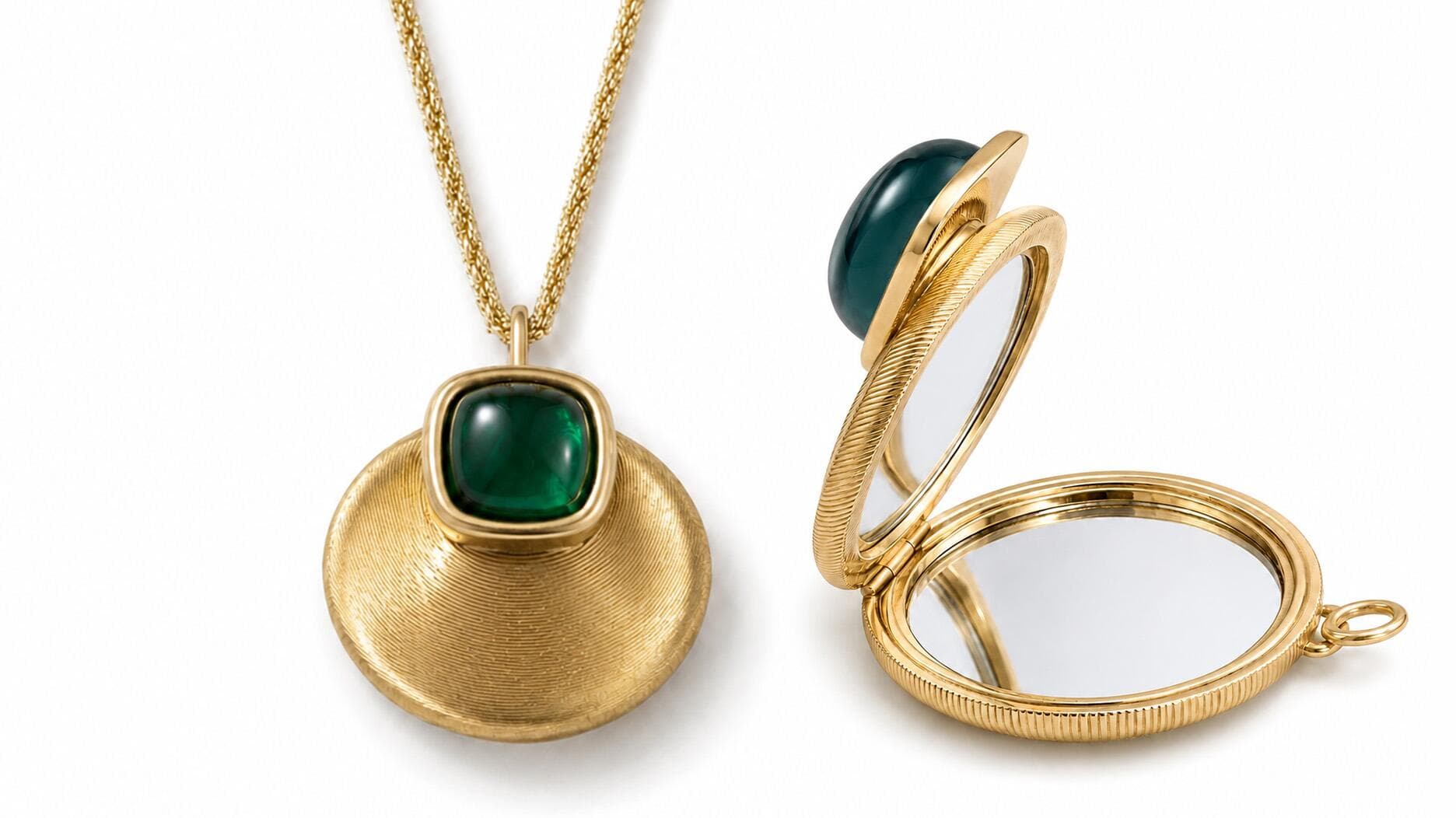
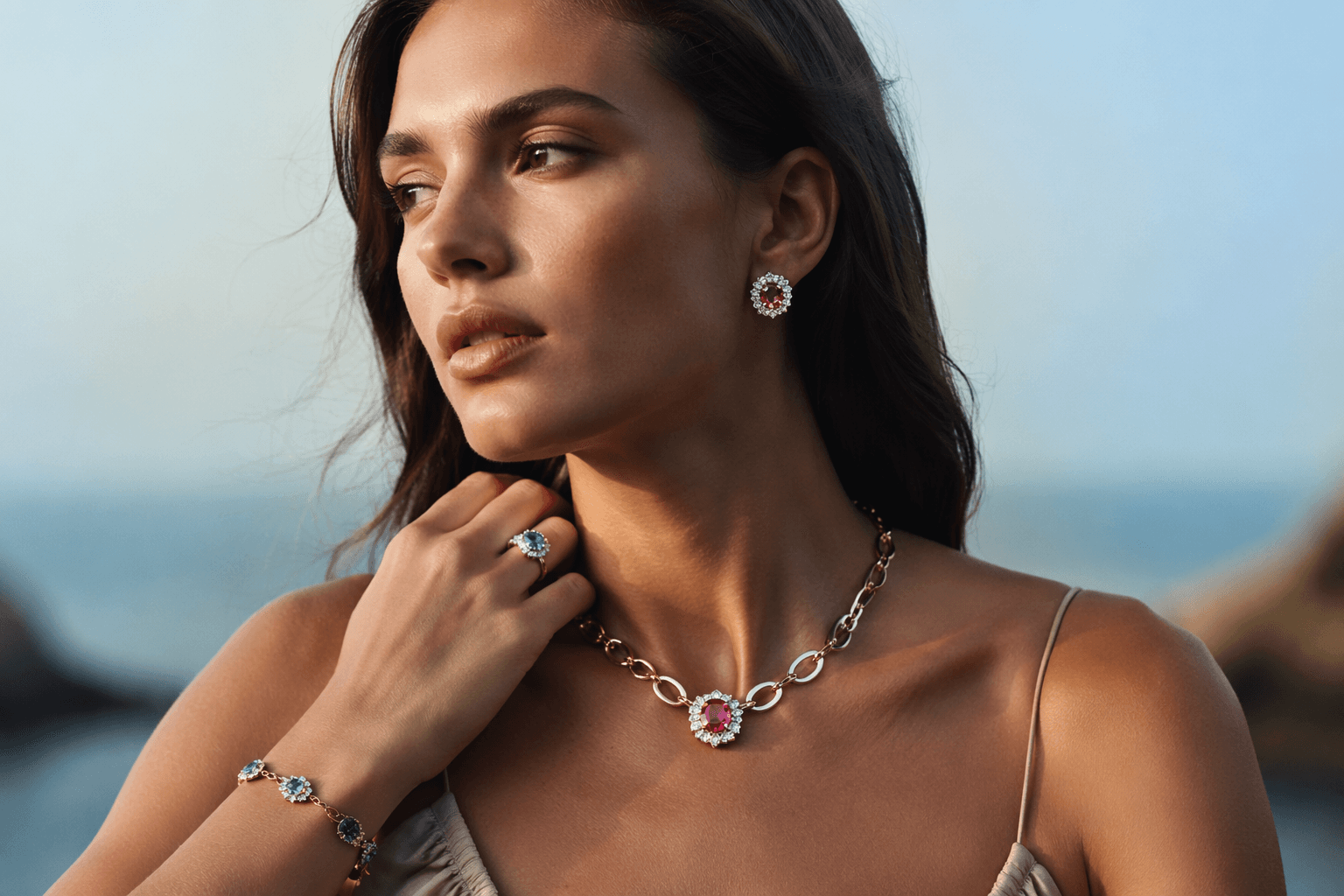
Birthstone tradition helps natural diamonds stand out in a shifting market
April's birthstone story is giving natural diamonds a new argument: not just rarity, but legacy, symbolism, and heirloom appeal in a price-conscious market.
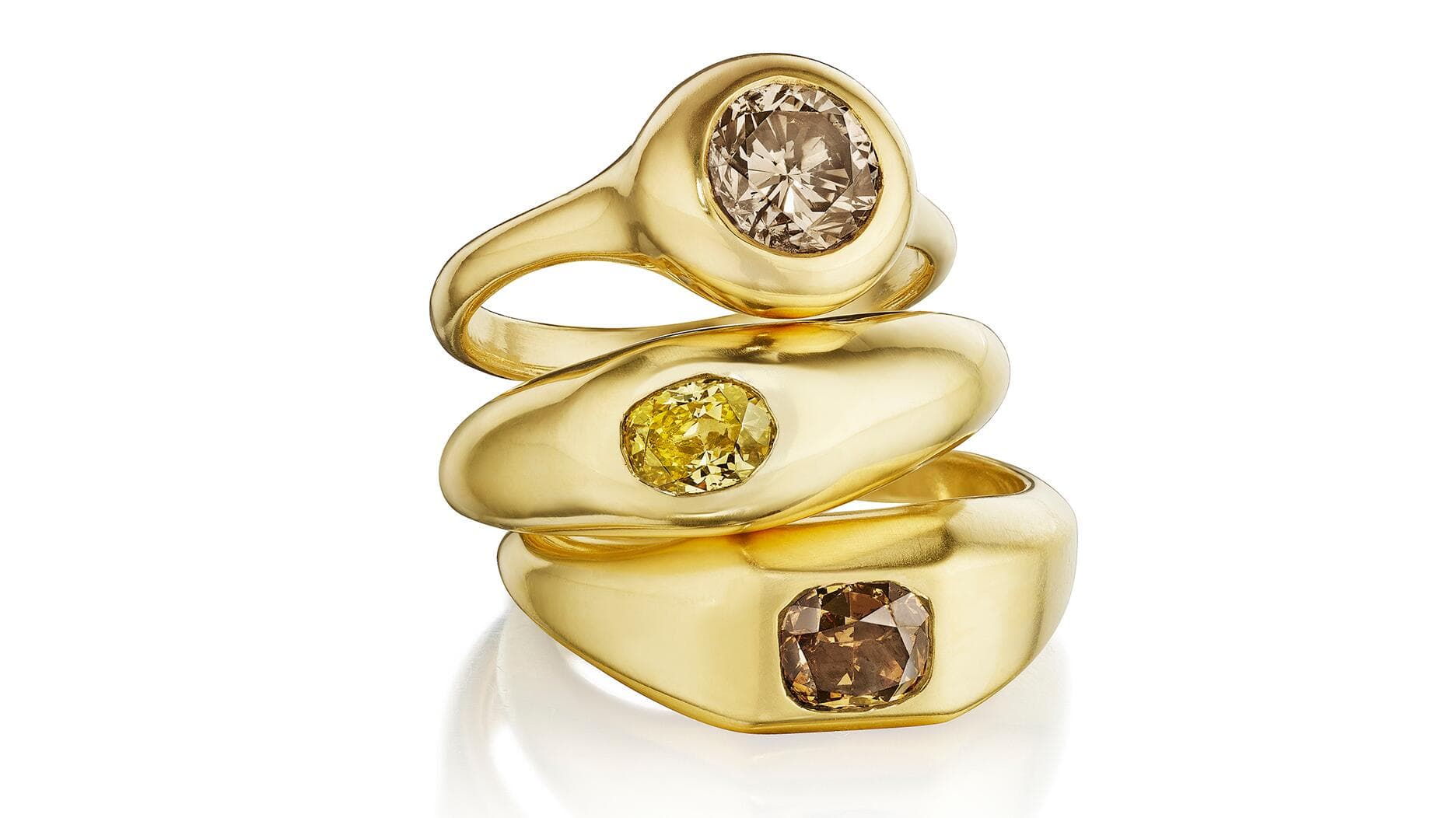
The diamond market is no longer being defined only by carat weight and brilliance. As lab-grown stones have gained share and shoppers have grown more selective with their budgets, natural diamonds are being reframed as something more intimate: a birthstone with provenance, a milestone stone, and a piece meant to travel through a family.
That shift matters most in April, where the diamond’s birthstone status gives natural stones an emotional vocabulary that price alone cannot supply. In a market where synthetic options often win on cost, retailers are leaning harder on meaning, tradition, and the unmistakable sense that a natural diamond is not just worn, but inherited.
April’s stone carries a history that still sells
The modern U.S. birthstone list dates to 1912, when the American National Retail Jewelers Association standardized gems by month and assigned diamond to April. That legacy gives the category a rare kind of built-in storytelling: a diamond is not merely a luxury object, but a stone already tied to identity, date of birth, and family ritual.
GIA describes diamond as April’s birthstone and connects it to clarity and strength, while the American Gem Society emphasizes its ancient origin and long history as the month’s signature gem. Those associations are not decorative. They help explain why diamonds still dominate birthday gifts, anniversary pieces, and family commissions, especially when the buyer wants the piece to feel destined rather than simply desirable.
The market reset has changed the pitch
McKinsey has described the diamond industry as being at an inflection point, and the phrase fits the moment closely. The category is a consumer-facing business first and foremost, which makes it unusually sensitive to inflation, shrinking discretionary budgets, and changing ideas about value. Natural diamonds are feeling that pressure from every angle, especially as lab-grown stones have moved from novelty to mainstream competition.
The numbers show how fast that change has happened. Lab-grown diamonds rose from 2% of the global diamond jewelry market in 2017 to 18.4% in 2023. In the U.S., National Jeweler reported that lab-grown diamonds accounted for 14% of the jewelry market in 2024, according to Tenoris. At the same time, polished diamond prices began falling in late 2022, and the decline intensified through 2023 and 2024 as synthetics took up more shelf space and more mindshare.
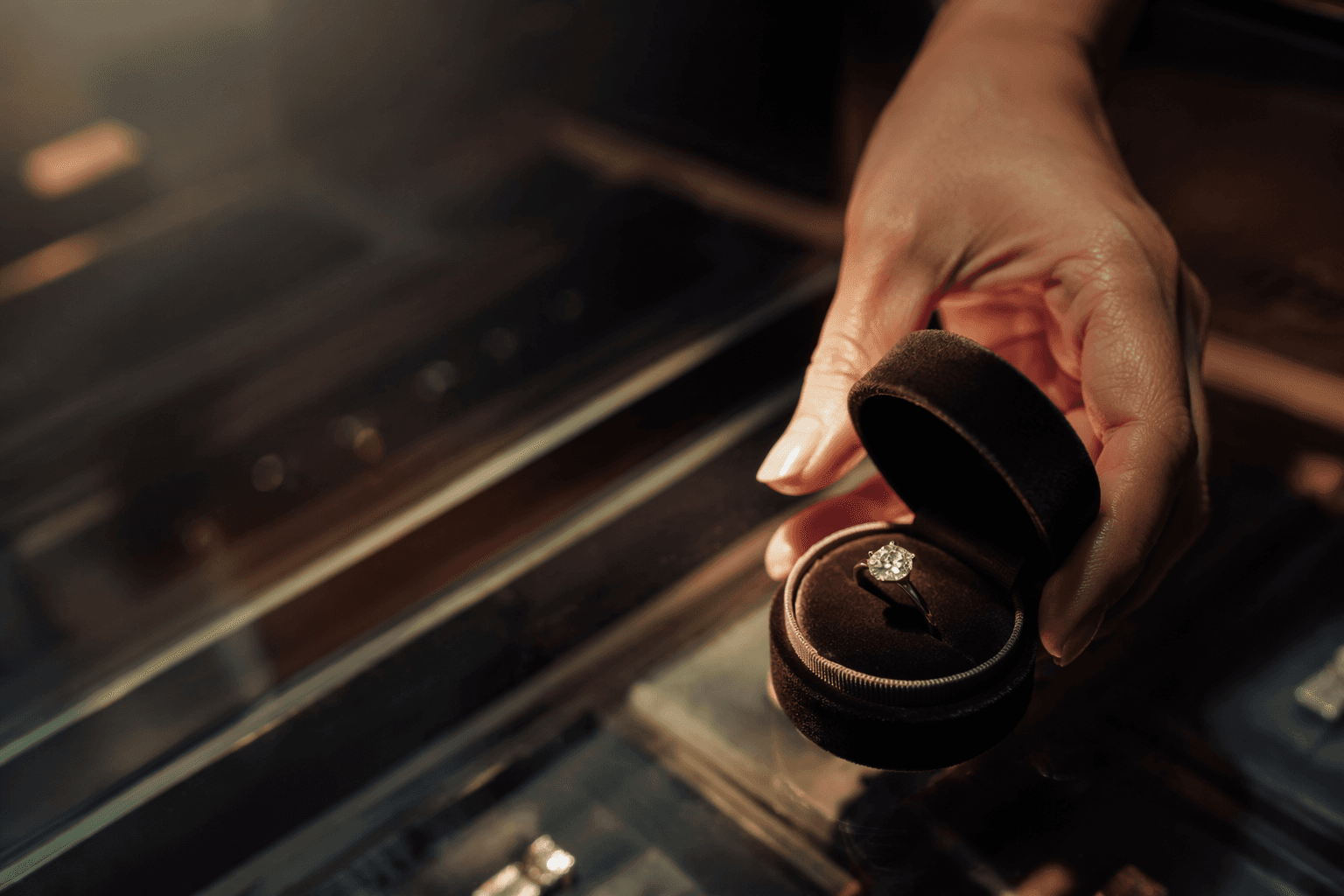
That erosion is exactly why the natural-diamond conversation has become more selective. If a buyer is shopping for pure size, lab-grown stones can be dramatically cheaper, with some market estimates putting them at up to 85% less than natural diamonds. If the purchase is about birth, legacy, or a family milestone, however, retailers are increasingly arguing that the value proposition should be measured differently.
What natural-diamond messaging is emphasizing now
De Beers’ latest Diamond Report looks at natural-diamond desirability, purchase occasions, motivations, and the differences between natural and synthetic stones. The framing is telling. Natural diamonds are being positioned less as a generic indulgence and more as a category with cultural weight, the kind of purchase that carries a reason beyond style.
Recent reporting on that study says U.S. women spent an average of $4,063 on a natural diamond in 2025, up 25% from $3,242 in 2023. The average natural stone size also rose, reaching 1.86 carats from 1.65 carats two years earlier, while the overall acquisition rate of natural diamonds climbed to 9% from 8%. Those figures suggest resilience, but also a sharper definition of why people are buying: when natural diamonds are chosen, they are increasingly chosen deliberately.
Retailers are using that shift to draw a clear distinction in tone.
- Natural diamonds are being described as heirloom-grade, with an emphasis on rarity, geological time, and emotional continuity.
- Lab-grown diamonds are typically framed around access, larger perceived size, and lower entry price.
- For a birthstone gift, the natural stone is often sold as the more symbolic choice, the one that marks a person rather than simply a purchase.
That difference in language matters. The natural diamond is no longer competing only on brilliance or even on prestige. It is competing on permanence.
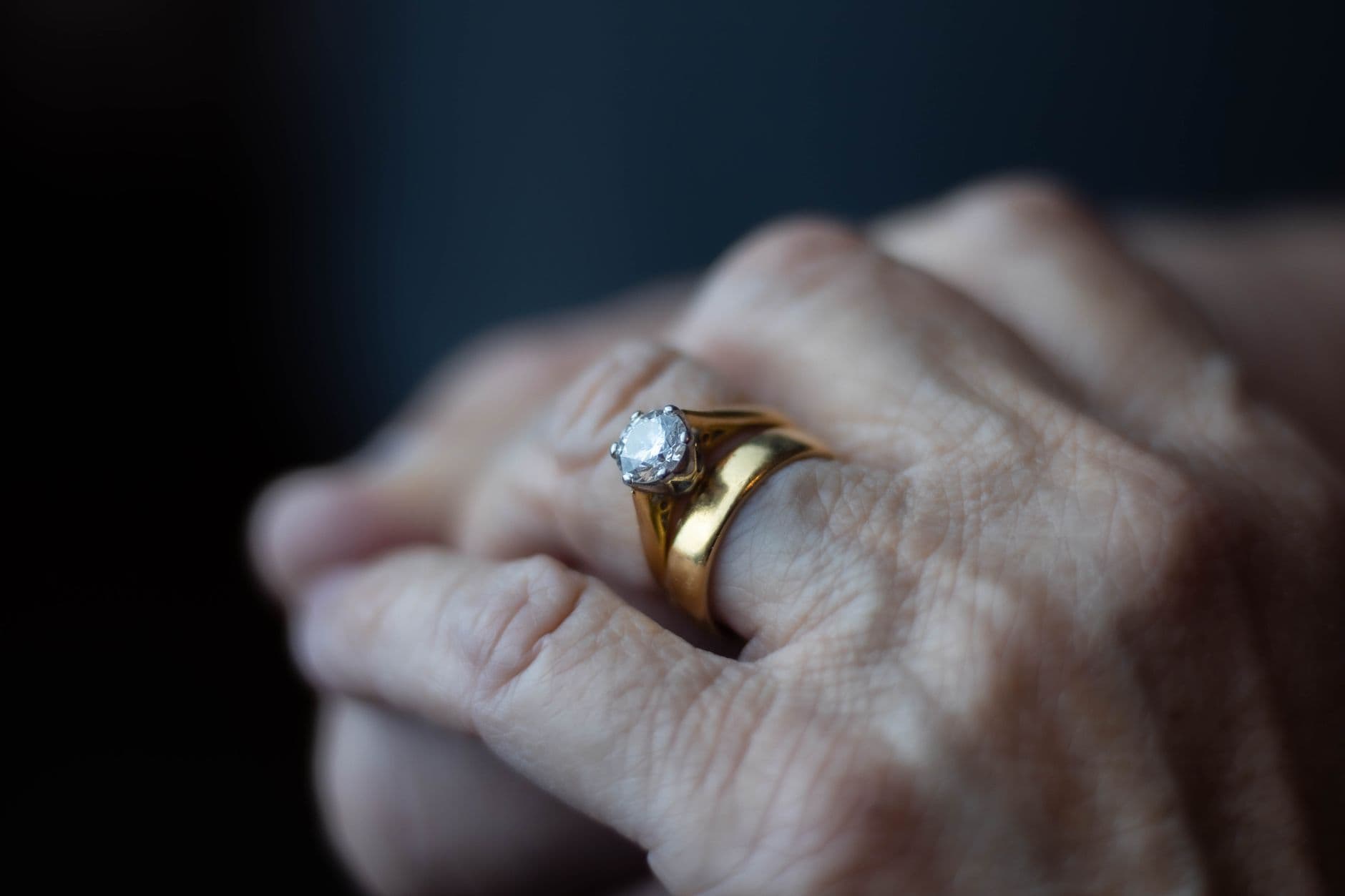
Why April buyers respond to tradition
Birthstone jewelry has always benefited from a private logic. The month does half the work: April already comes with a diamond attached, and that connection makes the stone feel personal before the setting is even chosen. When the piece is intended for a birthday, graduation, new baby, wedding, or anniversary, the natural diamond’s backstory helps it read as a marker of passage rather than a discretionary splurge.
That is where craftsmanship becomes part of the argument. A natural diamond in a slim bezel ring, for instance, can feel contemporary and secure, especially for everyday wear. A prong setting, by contrast, exposes more of the stone and often reads as more classic and ceremonial. In both cases, the setting influences how the diamond is understood: as a personal talisman, a family jewel, or a statement piece meant to endure.
This is also why natural diamonds tend to fare well in jewelry that invites repetition over time, such as stackable bands, solitaire pendants, three-stone rings, and studs chosen for a first birthday or a first major milestone. The strongest pieces are not simply valuable. They are legible as gifts that can be remembered, reworn, and passed down.
The new hierarchy of value
The lab-grown boom has not diminished the emotional appeal of diamonds. It has forced the industry to say more clearly what kind of diamond is being sold, and why. For a budget-driven purchase, lab-grown stones answer a practical brief. For an April birthstone piece meant to anchor memory, the natural diamond has the stronger narrative, because its value is rooted in origin as much as appearance.
That is the real repositioning underway. Natural diamonds are being asked to justify themselves not as the biggest sparkle for the money, but as the most meaningful stone in the box. In an era of price pressure and shifting preferences, that may prove to be the category’s most durable form of luxury.
This article was produced by Prism’s automated news system from verified source data, official records, and press releases, then run through automated quality and moderation checks before publishing. The system is built and supervised by the people who set the standards it runs under. Read our full AI policy.
Did this article answer your question?