Colombian emeralds set the standard for color, value and rarity
Colombian emeralds command top dollar when origin, color and treatment line up. Muzo and Chivor stones show why provenance can matter as much as carat weight.
Why Colombian emeralds sit at the top of the market
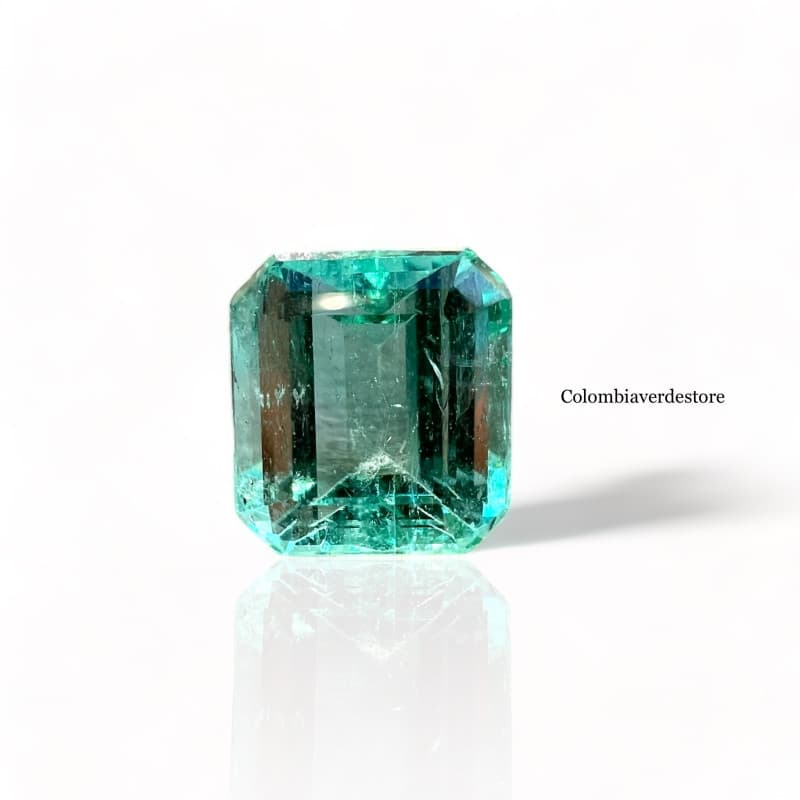
Colombian emeralds occupy a rare place in fine jewelry because they offer more than green color. They carry a mineral signature, a documented mining history and a level of provenance that serious buyers can actually use to judge value. In the best stones, the appeal is immediate: strong color, lively transparency and the kind of depth that makes the gem feel almost lit from within.
That combination helps explain why Colombian emeralds have long been the reference point for the May birthstone market. Geological evidence shows emeralds were mined in Colombia long before Spanish conquistadors arrived in the 16th century, and Indigenous civilizations were already using them in jewelry and ceremonial traditions. That heritage is not a romantic footnote. It is part of why these stones still read as culturally loaded, scarce and highly desirable.
Muzo and Chivor are the names that change the conversation
Within Colombia, two origins dominate the discussion: Muzo and Chivor. GIA describes both deposits as having a long and checkered history, and that history matters because it reinforces the sense that these are not generic green stones but material tied to specific, storied ground.
Chivor has one of the most compelling origin stories in emerald mining. GIA traces the deposit to Indigenous work, then to Spanish exploitation in the 16th and 17th centuries, followed by about 200 years of abandonment and jungle overgrowth. The mine was later rediscovered near the turn of the 20th century by Colombian mining engineer Francisco Restrepo. That arc from ancient use to disappearance and rediscovery gives Chivor stones an aura collectors love, but the real value still comes down to what the stone looks like and how confidently its origin can be documented.
Muzo sits at the center of the modern Colombian emerald market in a different way. GIA notes that when private leases were awarded in the Muzo district in 1977, the region appeared to enter an era of unprecedented emerald production. For buyers, that matters because Muzo-origin stones often carry strong market recognition and a premium that reflects both supply and reputation. In practice, Muzo versus Chivor is not a simple better-or-worse comparison. It is a question of which origin, color and clarity profile best matches the piece in front of you.
Color is the first test, and saturation is the difference maker
The premium for Colombian emeralds starts with color. The most valued stones show a rich green with even saturation, the kind of color that does not look washed out, muddy or overly dark. When the hue is clean and the tone is balanced, the stone reads as unmistakably fine even before you look at paperwork.
Buyers should pay attention to how the green behaves under light. A stone that appears too deep can lose life, while a stone that is vivid but uneven may look less elegant in a ring or pendant. The best Colombian emeralds are prized because the color feels integrated through the whole stone, not layered on the surface.
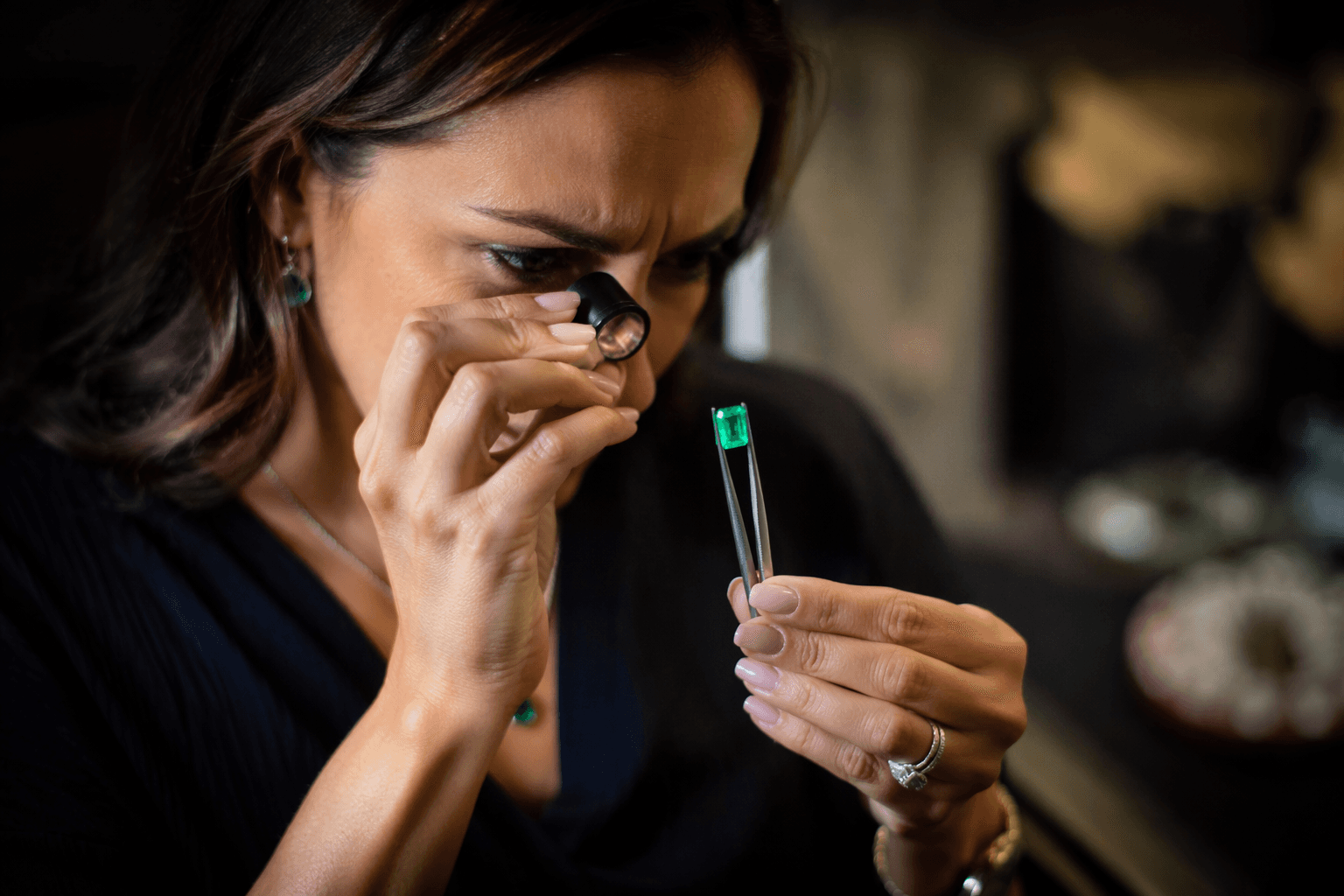
That is one reason the market continues to reward origin-specific stones. A Colombian emerald is not automatically superior just because it comes from Colombia, but the combination of origin, saturation and transparency often produces the benchmark look that collectors are chasing.
Jardin is expected, but it still has to be beautiful
Emeralds are rarely flawless, and Colombian emeralds are no exception. Their classic internal features, often described as jardin, are part of the stone’s identity. For many buyers, those inclusions are not a defect so much as a reminder that the gem is natural and unrepeatable.
The key is balance. A fine Colombian emerald can show jardin and still be highly valuable if the inclusions do not overwhelm the color or make the stone look sleepy. In the best pieces, the inclusions seem to belong to the gem’s structure rather than fight against its beauty. That is why clarity in emerald buying is not about demanding perfection. It is about judging whether the internal character still allows the color to breathe.
Treatment disclosure is where value becomes serious
If color is the first test, treatment disclosure is the one that separates strong jewelry from investment-grade material. Emeralds are commonly treated to improve clarity, which means the market puts real weight on whether a stone is no-oil, minor-oil or more heavily treated. The less intervention, the stronger the value signal tends to be.
No-oil stones command particular attention because they are rarer and easier to present as fully natural in appearance. Minor-oil stones can still be highly desirable, especially if the color is exceptional and the origin is strong, but the price generally reflects the level of treatment. For a buyer trying to judge whether a piece is genuinely investment-worthy, treatment disclosure is not a detail to skim over. It is one of the main levers that determines whether a stone belongs in the top tier or simply looks like it does.
Certification is essential here. A reputable report that states origin and treatment clearly gives the buyer a better basis for comparison, especially when the price begins to climb. Without that documentation, the stone may still be beautiful, but it becomes much harder to know whether the asking price reflects the gem or the story being sold around it.
Auction prices show how origin, size and treatment come together
The market has repeatedly proven that Colombian emeralds can reach extraordinary levels when the right factors align. In 2011, a 12.01-carat Muzo emerald ring sold at Sotheby’s for $1.5 million, or roughly $120,000 per carat at the time. It was described as a world auction record price per carat for an emerald, and the result made one thing unmistakably clear: fine Colombian emeralds can rival the best blue and red stones when quality is exceptional.
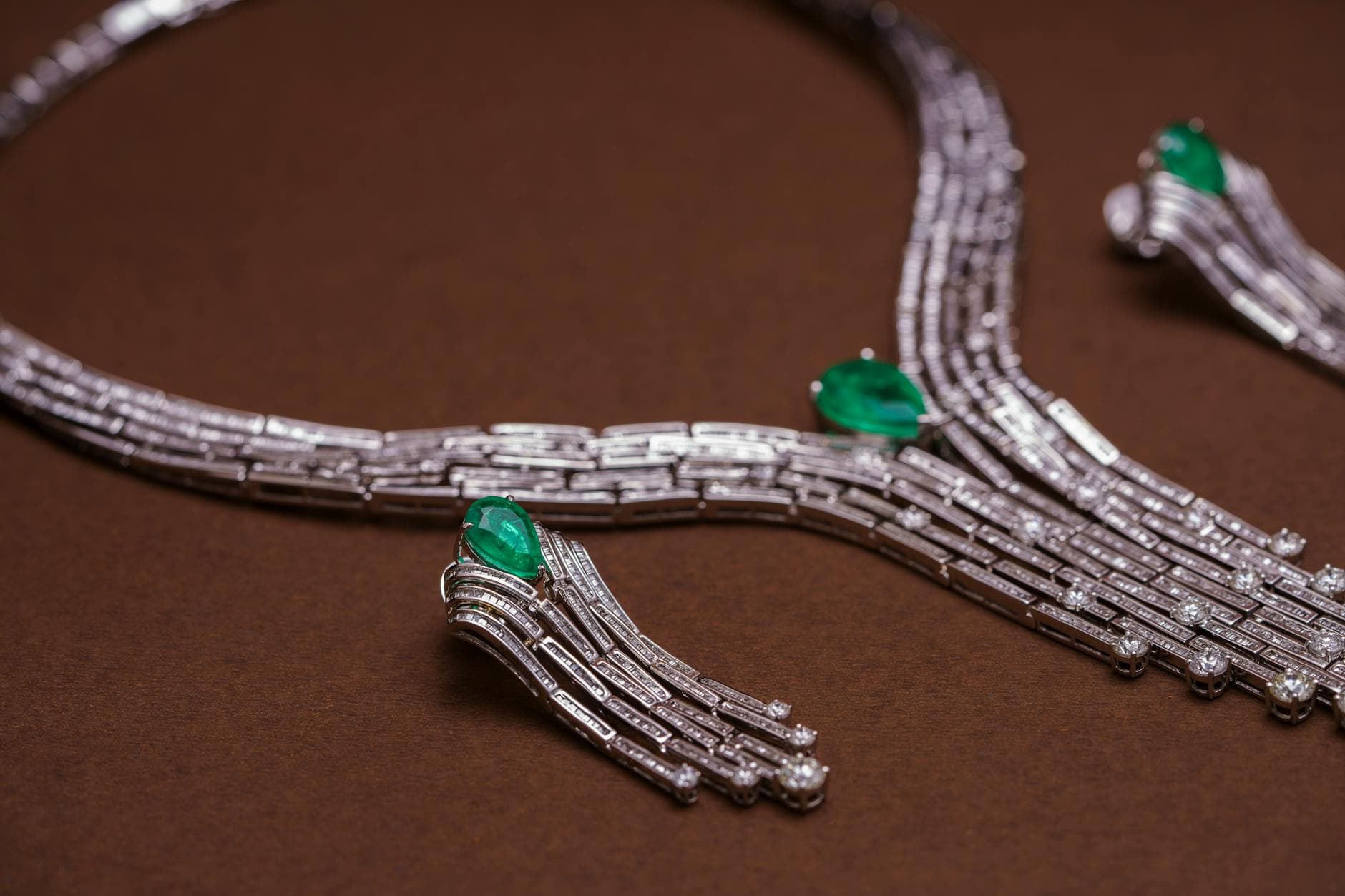
More recently, in December 2023, Sotheby’s sold a Colombian emerald ring in New York featuring a 61.35-carat stone for $4.6 million. That sale matters not just because of the price, but because it reinforces the continued appetite for large, well-credentialed Colombian emeralds. Size alone does not create value, yet in the presence of strong color, confident provenance and an attractive treatment profile, size becomes a powerful multiplier.
How to judge whether a Colombian emerald is truly worth the premium
A serious buyer should look at Colombian emeralds through a few simple but unforgiving filters:
- Origin: Muzo and Chivor remain the names that carry real market weight.
- Color: seek rich, even saturation with lively green presence.
- Clarity character: expect jardin, but make sure it does not deaden the stone.
- Treatment: no-oil or minor-oil stones deserve closer attention and usually stronger pricing.
- Certification: documentation that confirms origin and treatment can make the difference between a beautiful jewel and a defensible purchase.
In the end, Colombian emeralds command their premium because they offer something the market still values deeply: a visible connection between geology, history and craftsmanship. When the color is vivid, the origin is credible and the treatment is honest, the stone does more than sparkle. It earns its place.
Know something we missed? Have a correction or additional information?
Submit a Tip