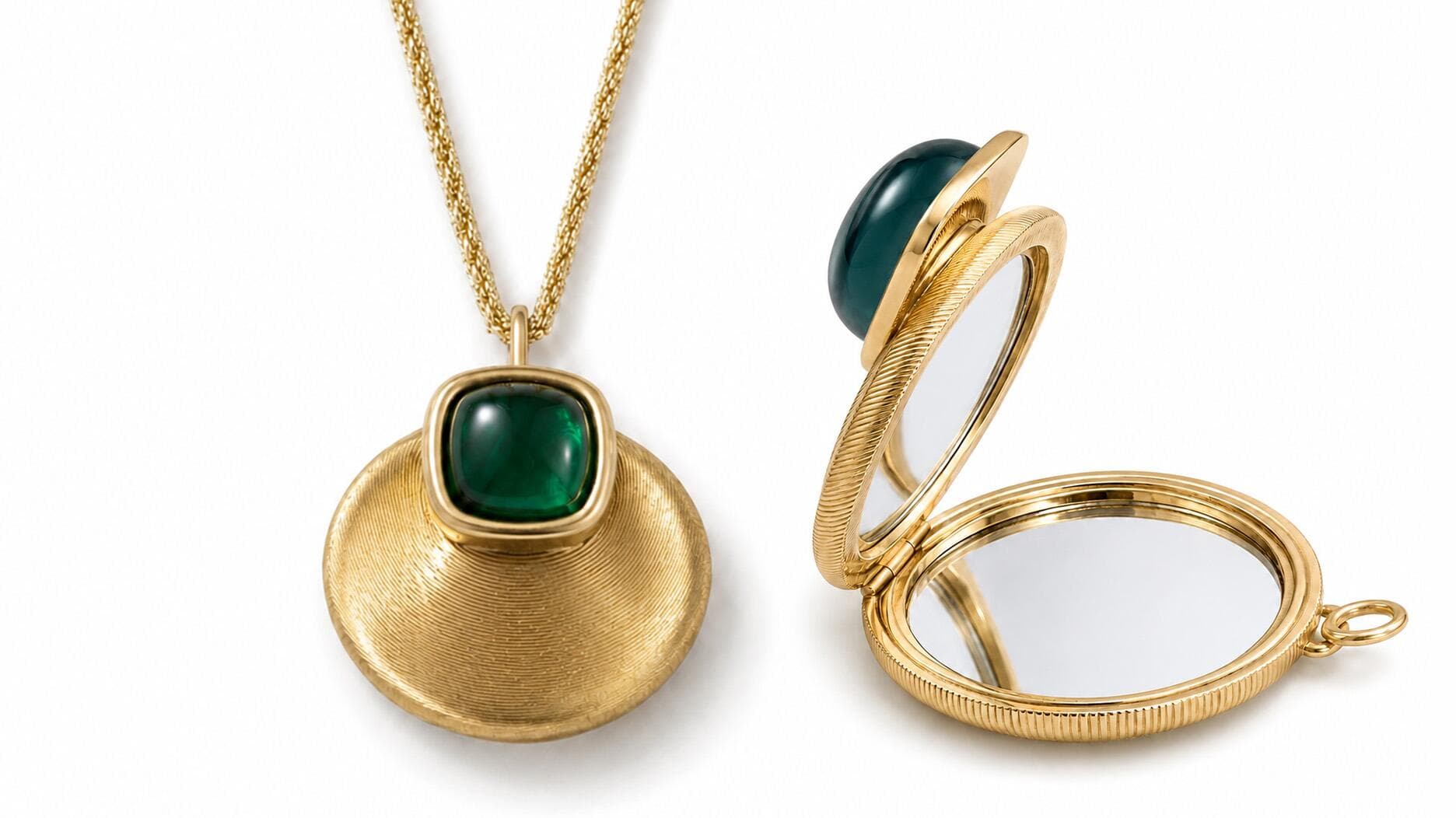
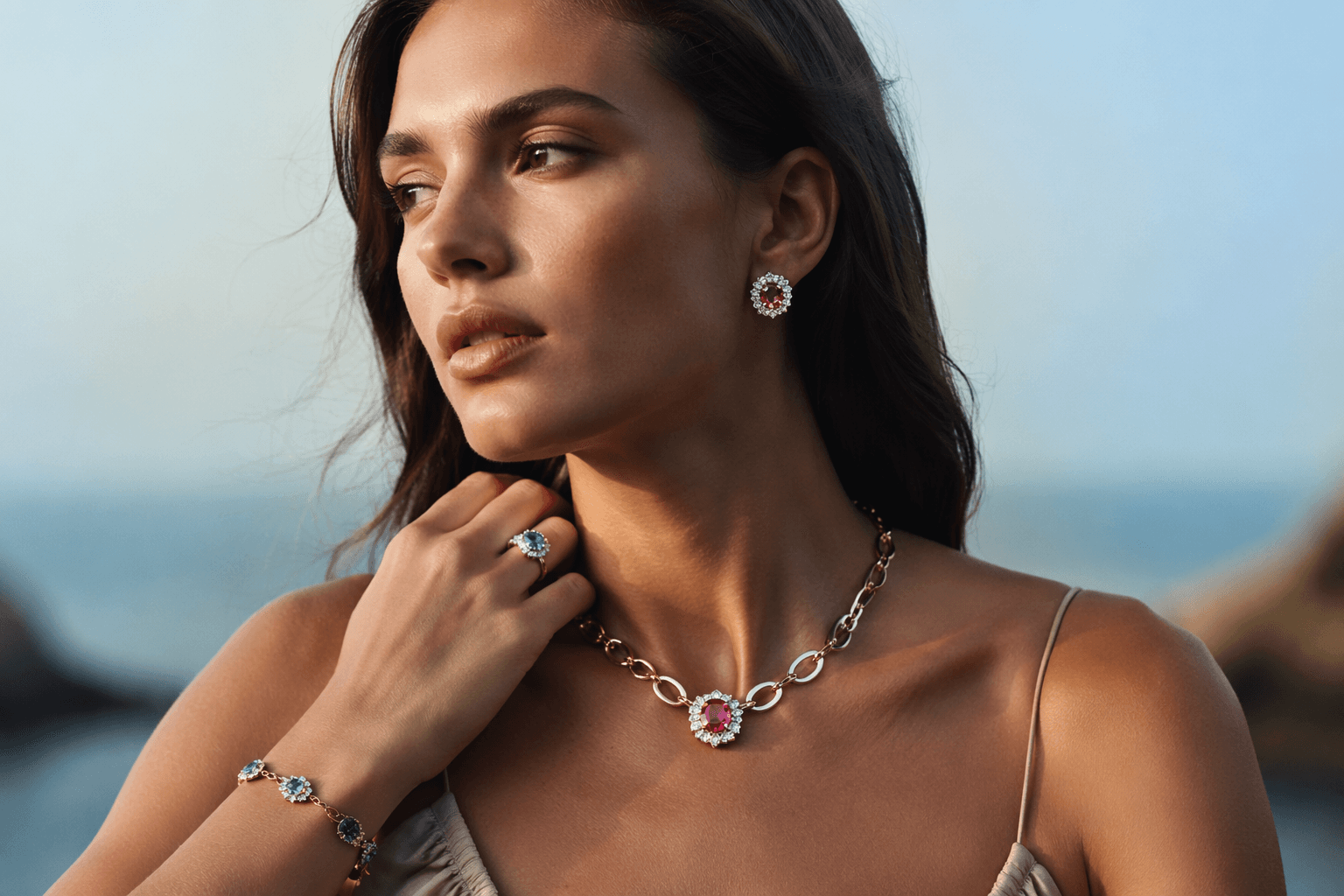
Colored gemstones and pearls drive higher-ticket birthstone sales
The clearest birthstone signal is premiumization: shoppers are buying fewer pieces, but paying far more for colored gemstones and pearls. April’s ticket gains far outpaced unit declines.

The clearest investment signal in birthstone jewelry right now is not volume, but conviction. Shoppers are buying fewer pieces and paying more for the ones they choose, and the biggest beneficiaries are colored gemstones and pearls, the categories most closely tied to personal meaning and giftable distinction.
Edge Retail Academy’s Edge Pulse platform, which analyzes more than $4.5 billion in sales across nearly 2,000 retailers, shows the shift in sharp relief. In April 2026, colored gemstone sales rose 18 percent year over year even as unit sales fell 10 percent. The average retail sale climbed 31 percent to $1,737, gross margin reached 55.6 percent, and gross profit dollars increased 22 percent. Pearls followed the same pattern: sales were up 21 percent, units were down 10 percent, the average retail sale jumped 35 percent to $444, gross margin came in at 57.6 percent, and gross profit dollars rose 24 percent.

That is the language of premiumization. It suggests consumers are not abandoning birthstones; they are editing more carefully and spending up when a piece feels distinctive enough to justify the price. In practical terms, that favors richer colored stones, stronger proportions, and designs with enough substance to feel intentional rather than token. The market is rewarding jewelry that reads as an object of style and craftsmanship, not just a calendar placeholder.
Edge said the same pattern was visible in January 2026, when colored stones and pearls were meaningful contributors to average retail growth, while diamond categories were less influential in expanding ticket size. For birthstone merchandising, that matters. Diamonds may still anchor the fine-jewelry conversation, but color and pearl are increasingly where retailers are finding lift, margin, and a more emotionally compelling story for the customer.

The broader trade backdrop reinforces the point. AGTA said colored gemstone and cultured pearl sales were strong in 2024 despite sourcing struggles, election-year jitters and international conflicts, even as member survey respondents flagged rising prices as a major concern. The association also reported that colored gemstone imports surged 136 percent from 2020 to 2024, while diamond imports fell 54 percent by 2024 after rising earlier in the period. At AGTA GemFair in Tucson on Feb. 6, 2025, Gemworld International president Stuart Robertson said colored stones were increasing market share and becoming a major profit center.

For shoppers, the lesson is simple: paying more only buys better long-term value when the premium is visible in the stone, the proportions and the finish. In this market, the strongest birthstone purchases are the ones that look less preset and more personal, with enough color and craftsmanship to justify staying in the jewelry box for years, not seasons.
This article was produced by Prism’s automated news system from verified source data, official records, and press releases, then run through automated quality and moderation checks before publishing. The system is built and supervised by the people who set the standards it runs under. Read our full AI policy.
Did this article answer your question?