Colored gemstones gain ground as couples ditch diamond-only engagement rings
Pearls, sapphires and aquamarines are pulling couples away from diamond-only rings, while diamond searches fell 15 percent. Retailers say color now reads as individuality, not compromise.

Pearls, sapphires and aquamarines have moved from accent stones to center stage in engagement rings, and the numbers show the shift is real. Adobe Firefly prompt data showed pearl ring concepts up 89 percent, sapphires up 44 percent, aquamarines up 40 percent, emeralds up 31 percent and rubies up 30 percent, while diamond searches fell 15 percent.
That appetite was visible on the ground at the 2026 JCK show in Las Vegas, where retailers and gemstone dealers said color was increasingly the choice for bridal and fashion customers who wanted to stand apart from the crowd. The appeal is no longer just visual. Colored stones are being treated as a way to make a ring feel personal, and in many cases less predictable than a solitaire diamond.

This is not a sudden break with tradition. In February 2024, Signet Jewelers was already seeing pickup in sapphire, morganite, London Blue Topaz, aquamarine and green quartz in the wedding category, with amethyst and ruby also popular around Valentine’s Day. JCK’s 2024 trend coverage pointed to continued interest in toi et moi rings, including pairings such as pearl and emerald, plus growing demand for blue topaz, emerald and sapphire. The through line is clear: couples have been testing color for more than a year, and the category kept widening.
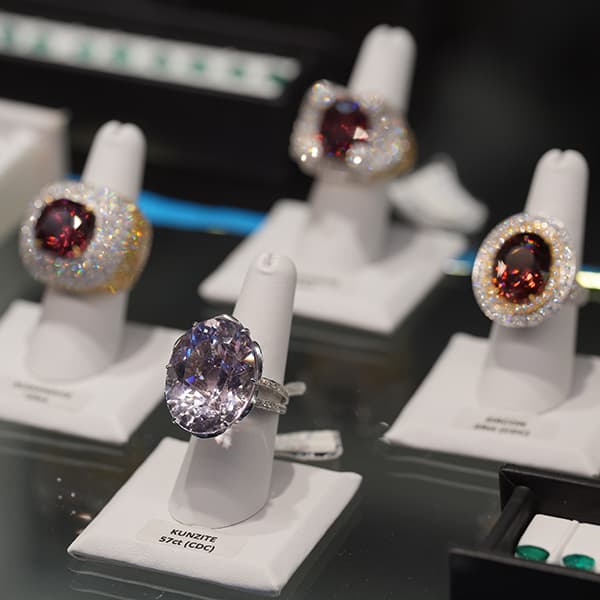
Retailers are adjusting their cases and their sales pitch. Signet says its brands offer engagement and wedding styles across a broad assortment that includes other gemstones, while Jared is leaning into custom jewelry design services. Blue Nile is pushing for more choice and more straightforward information. That matters, because colored gemstones ask buyers to think differently about the ring: not only as a symbol of commitment, but as a design object that can signal a birth month, a favorite color or a shared memory.

The diamond industry is answering in kind. De Beers said in its 2026 Diamond Report that natural diamonds remained the most desired jewelry items ahead of synthetic lab-grown diamonds, other gems and pure gold jewelry, and that desirability rose in 2025. It also launched Desert diamonds in 2025, an industry-wide program meant to celebrate natural diamonds and reignite demand. Still, the pressure from color is easy to read. Varsha Diamonds CEO Mehta has said colored gemstones carry status because of their rarity, while diamonds are often seen as a romantic gift and colored stones as something people buy for themselves. That is the change now reshaping engagement buying: not rejection of diamonds, but a broader idea of what a ring can say.
This article was produced by Prism’s automated news system from verified source data, official records, and press releases, then run through automated quality and moderation checks before publishing. The system is built and supervised by the people who set the standards it runs under. Read our full AI policy.
Did this article answer your question?