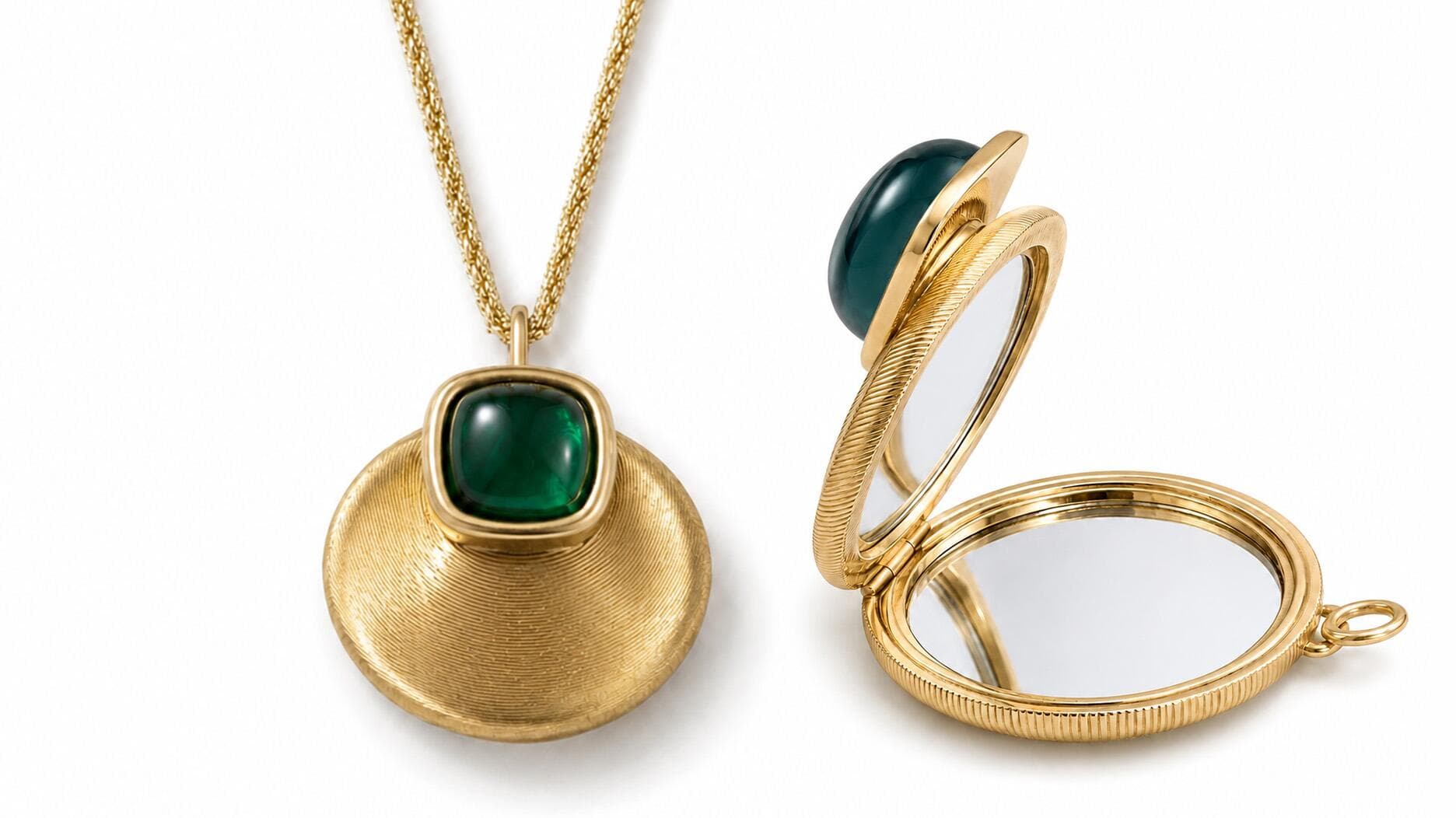
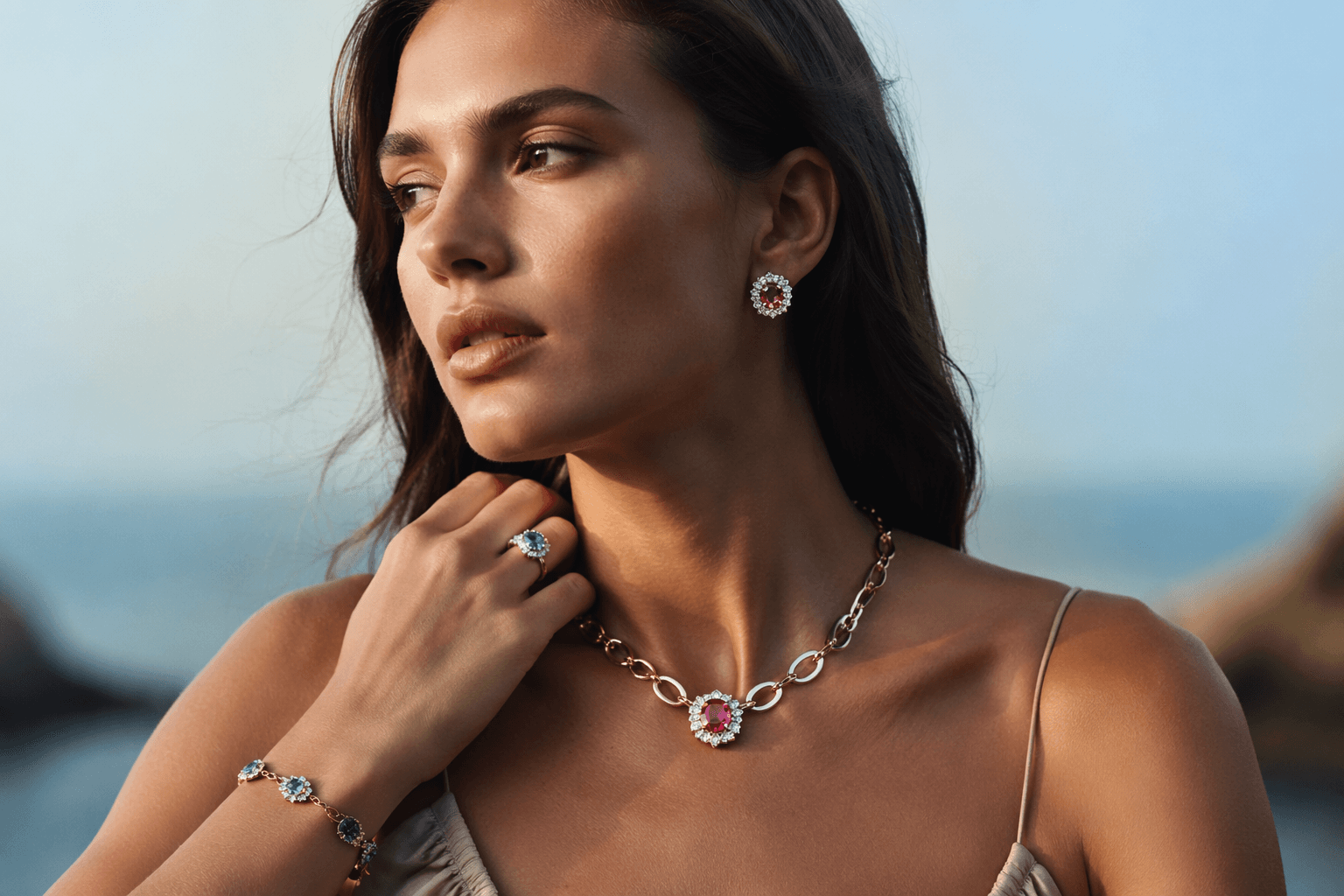
Day’s Jewelers centers Mother’s Day campaign on birthstone jewelry and staff stories
Day’s Jewelers turned Mother’s Day birthstone sales into a story about its own employee-owners. The lesson: real mothers, not polished models, make personalized jewelry feel urgent.
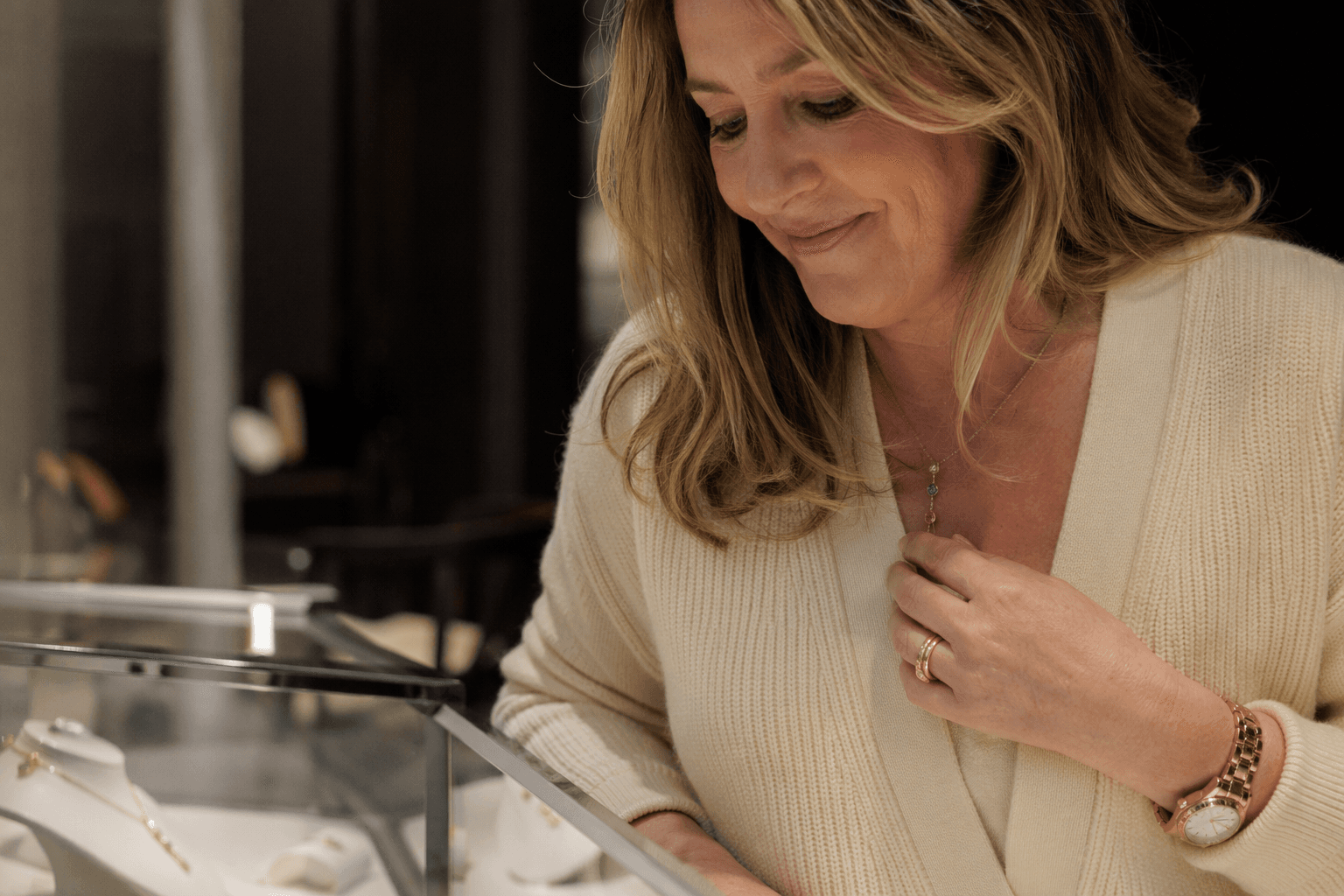
Day’s Jewelers’ 2026 Mother’s Day campaign, “The Enduring Bond,” put unscripted employee voices ahead of the polished product imagery common in jewelry ads. The Maine and New Hampshire chain tied those stories to birthstone jewelry, charm bracelets, lockets, engraved bracelets, and custom designs. For birthstone sellers, the move is a practical merchandising lesson: shoppers respond fastest when the jewelry is presented as a memory they can recognize, not as a styled object on a flawless model.
Why the story works at retail
The National Retail Federation projected $38 billion in total spending for the holiday in 2026, with jewelry alone expected to take $7.5 billion, based on a survey of nearly 8,000 consumers. Birthstone jewelry sits squarely in the overlap of sentiment and self-selection: it can mark a child, a mother, a grandmother, a partner, or even the buyer herself.
That is why Day’s leaned into personalization rather than polish. The retailer’s digital gift guide and in-store experiences centered on pieces that carry names, dates, and family links.
What Day’s actually put in front of shoppers
The campaign ran across digital, in-store, and social channels throughout April and May 2026. Mother’s Day sales do not happen in one burst. They build across several shopping moments: early browsers, last-minute buyers, in-store gifters who want help, and repeat customers looking for something more personal than flowers or a gift card. By placing the same story everywhere, Day’s made the message harder to miss and easier to remember.
Eight employee-owners appeared on screen, including mothers of babies, mothers of adult children, women trying to conceive, a grandmother of three, and even a pet mom. That mix gives the campaign range without losing specificity. It tells shoppers that motherhood is not a single image, and that a birthstone piece can honor an actual relationship, whether the gift is for a new mother, an empty-nester, or someone who has built a family in a less traditional way.
The campaign used real employee-owners rather than models or product shots, and that distinction is crucial for birthstone merchandising. A polished studio image can make a pendant look expensive; a real voice can make it feel necessary. When a seller is trying to move a family birthstone ring or a mothers’ necklace, the most persuasive framing is often the simplest: whose birthstones are these, and why do they matter to the person receiving them?
A family business selling family stories
Day’s has the kind of origin story that lends itself to this strategy. The chain was founded in Portland, Maine, in 1914 by the Davidson family, later purchased by the Corey family in 1988, and became 100 percent employee-owned in 2021 through an ESOP. The company now operates nine retail locations across Maine and New Hampshire, and it says its Waterville store is the remaining original Day’s location from its founding. That history gives the brand a built-in family narrative, but the campaign works because it translates that narrative into a saleable format instead of leaving it as corporate lore.
Day’s is a family business with deep local roots and has collected regional recognition along the way, including being voted Best Places to Work in Maine two years in a row and being named Maine Retailer of the Year in 2016.
What birthstone sellers should borrow
The strongest takeaway from Day’s campaign is not simply that emotion sells. It is that specific emotion sells better than generic sentiment. If a Mother’s Day message could be swapped onto any chain’s billboard, it is too vague to move a birthstone ring. If it comes from a mother of a newborn, a grandmother of three, or someone trying to start a family, it suddenly has a shape buyers can see themselves in.
For merchandising teams, that means a few concrete shifts:
- Put real people in the frame. Staff stories, customer stories, and family stories are more convincing than anonymous model imagery when the product is meant to mark a relationship.
- Name the life stage. A mother of babies speaks to one buying moment; a grandmother of three speaks to another. Separate those narratives instead of flattening them into one “mom” message.
- Sell the meaning, then the setting. Day’s framed engravable pendants, charm bracelets, and lockets as ways to make “a name, a date, a memory” permanent. That language gives the category a clear purpose before shoppers start comparing styles.
- Match the story to the channel. Digital can carry the emotional hook, in-store can close the sale with tactile options, and social can keep the narrative circulating long enough to catch different shoppers at different stages.
This article was produced by Prism’s automated news system from verified source data, official records, and press releases, then run through automated quality and moderation checks before publishing. The system is built and supervised by the people who set the standards it runs under. Read our full AI policy.
Did this article answer your question?