De Beers report says Gen Z is driving U.S. diamond demand
Gen Z now drives 23% of U.S. natural-diamond demand value, and self-purchase is turning birthstone jewelry into an everyday luxury code.
The most powerful engine in U.S. diamond demand is no longer the bridal counter. Younger buyers, especially Gen Z, are spending on their own terms, and that shift puts birthstone jewelry in a rare sweet spot: it is personal, giftable and easy to wear long after the occasion has passed.
De Beers’ 2026 US Diamond Acquisition Study surveyed 18,500 women ages 18 to 74 across the United States, the largest diamond market in the industry, and compared the results with its 2023 study. The picture it draws is clear. Natural diamonds remain the most desired luxury jewellery product, with 11% of women naming them their top luxury gift, ahead of lab-grown diamond jewelry at 8%, other gemstones at 5% and plain gold jewelry at 4%.
The generational shift is even more striking. Gen Z is now the second-largest generation buying natural diamond jewelry, even though many of its members have not yet entered the traditional engagement-and-anniversary years. The cohort represents 18% of the population but 23% of U.S. natural-diamond demand by value, and its buyers spend an average of $4,080 per piece, nearly double the $2,250 average for Baby Boomers. Millennials remain the biggest segment overall, accounting for 32% of consumers and 55% of demand value.
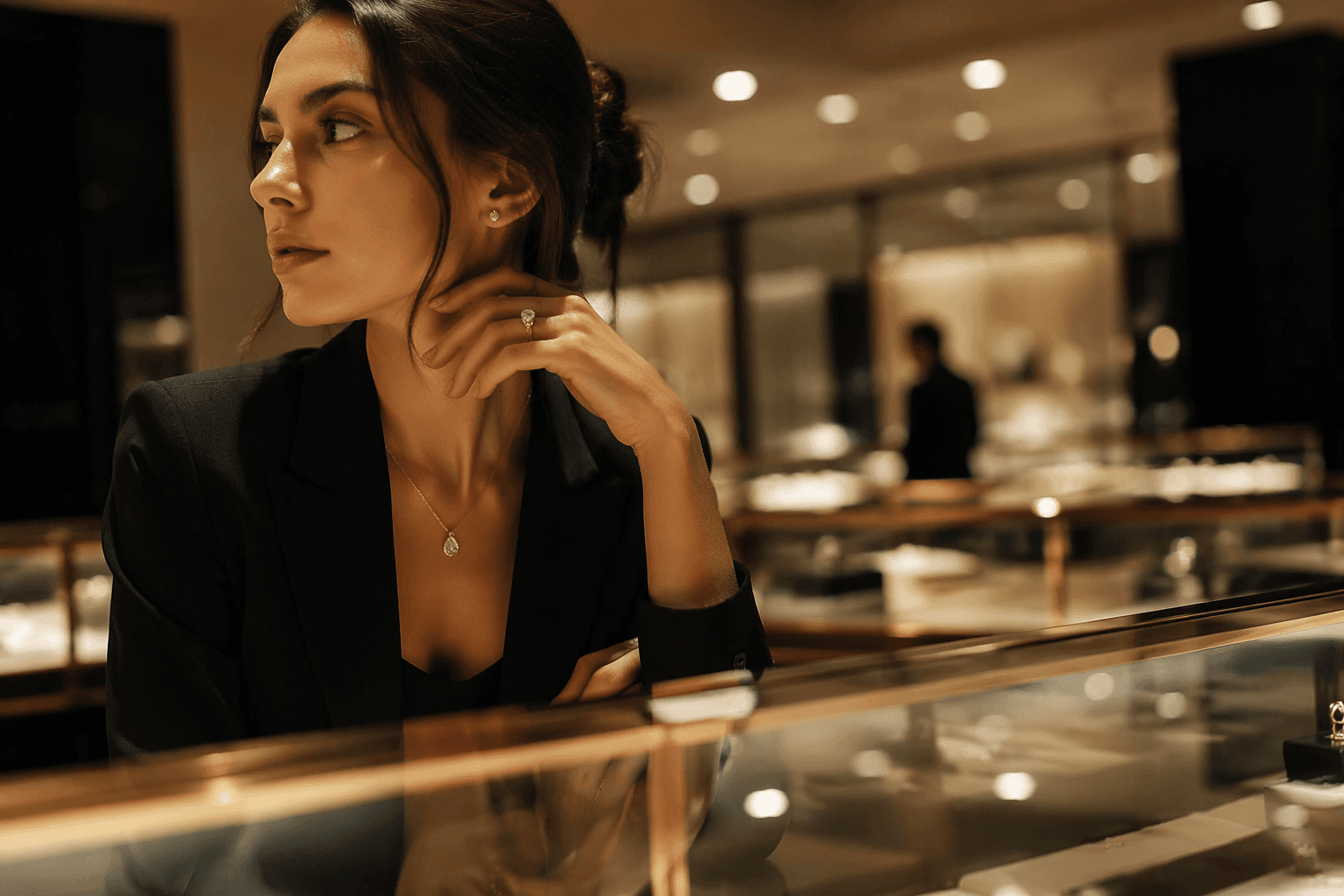
That spending is increasingly tied to occasions that have little to do with marriage. De Beers says non-bridal moments now account for three-quarters of overall U.S. demand. In 2025, gifting made up 44% of sales, up from 35% two years earlier, while self-purchases accounted for 31%. Birthdays are especially important to Gen Z, representing 17% of its diamond acquisitions versus 13% across all generations. That matters for retailers because birthstone jewelry already gives buyers a built-in story, one that can mark a new job, a promotion, a birthday or simply the satisfaction of buying something meaningful for oneself.
The money trail points in the same direction. Average natural-diamond purchase price rose to $4,063 in 2025 from $3,242 in 2023, while average total carat weight climbed to 1.86 carats from 1.65 carats. The overall acquisition rate held at 9%, while affluent households earning $150,000 or more rose to 15% from 12%. De Beers also says 950 U.S. independent jewelry retailers saw a noticeable reduction in lab-grown pieces sold over 3 carats, underscoring a ceiling for synthetics at the larger end of the market.
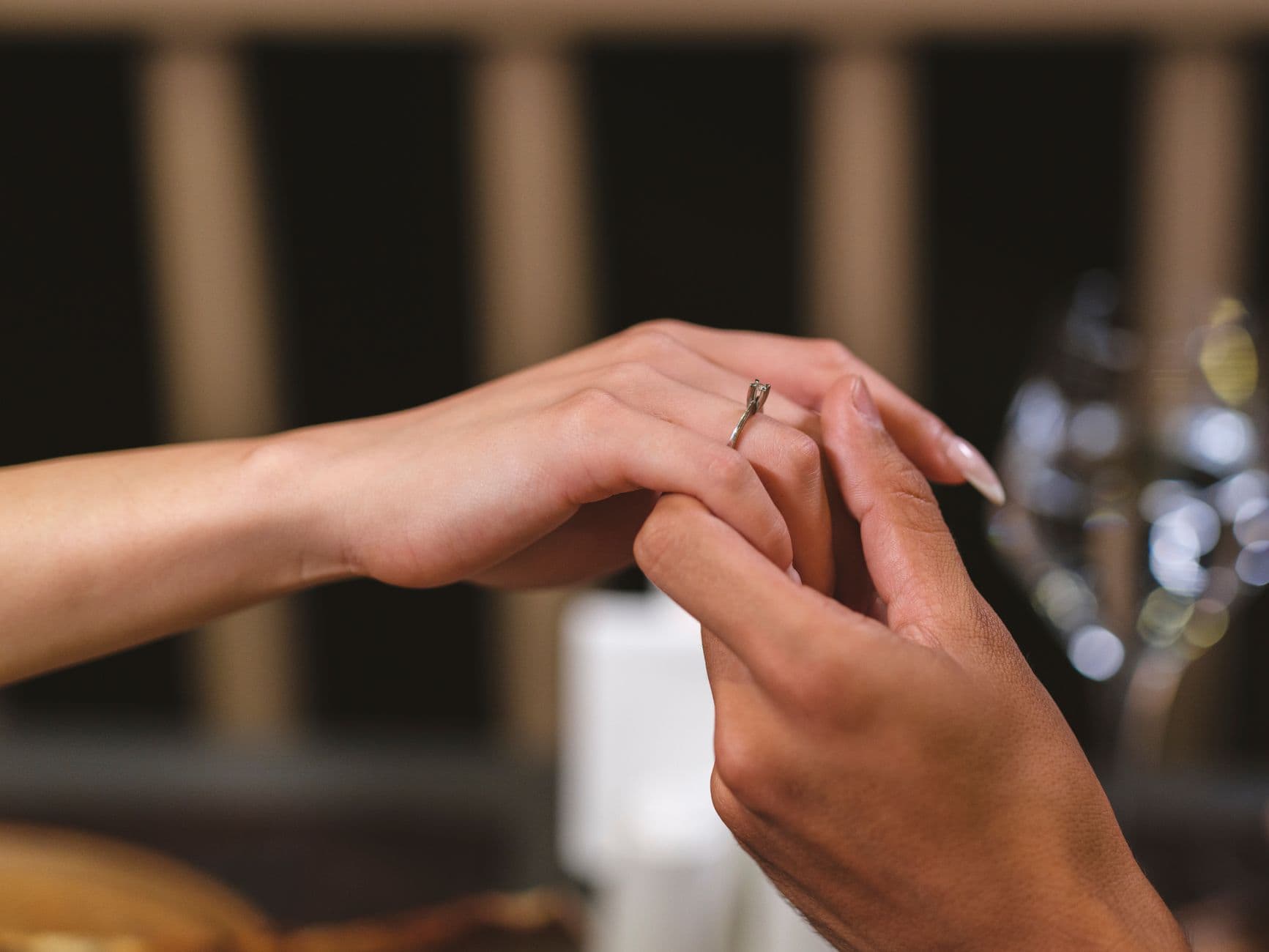
For birthstone jewelry, the opportunity is obvious. De Beers has pointed to earlier shifts, from wartime symbols of devotion in the 1940s to the rise of female self-purchase in the 1970s, and today’s consumer is asking for the same thing in a different register: a jewel that feels intimate, repeat-worthy and worth keeping.
This article was produced by Prism’s automated news system from verified source data, official records, and press releases, then run through automated quality and moderation checks before publishing. The system is built and supervised by the people who set the standards it runs under. Read our full AI policy.
Did this article answer your question?