GemGuide raises Mozambique ruby prices as fine stones grow scarce
Fine Mozambique ruby is getting pricier as GemGuide lifts pricing and Burma’s best unenhanced stones become harder to source.
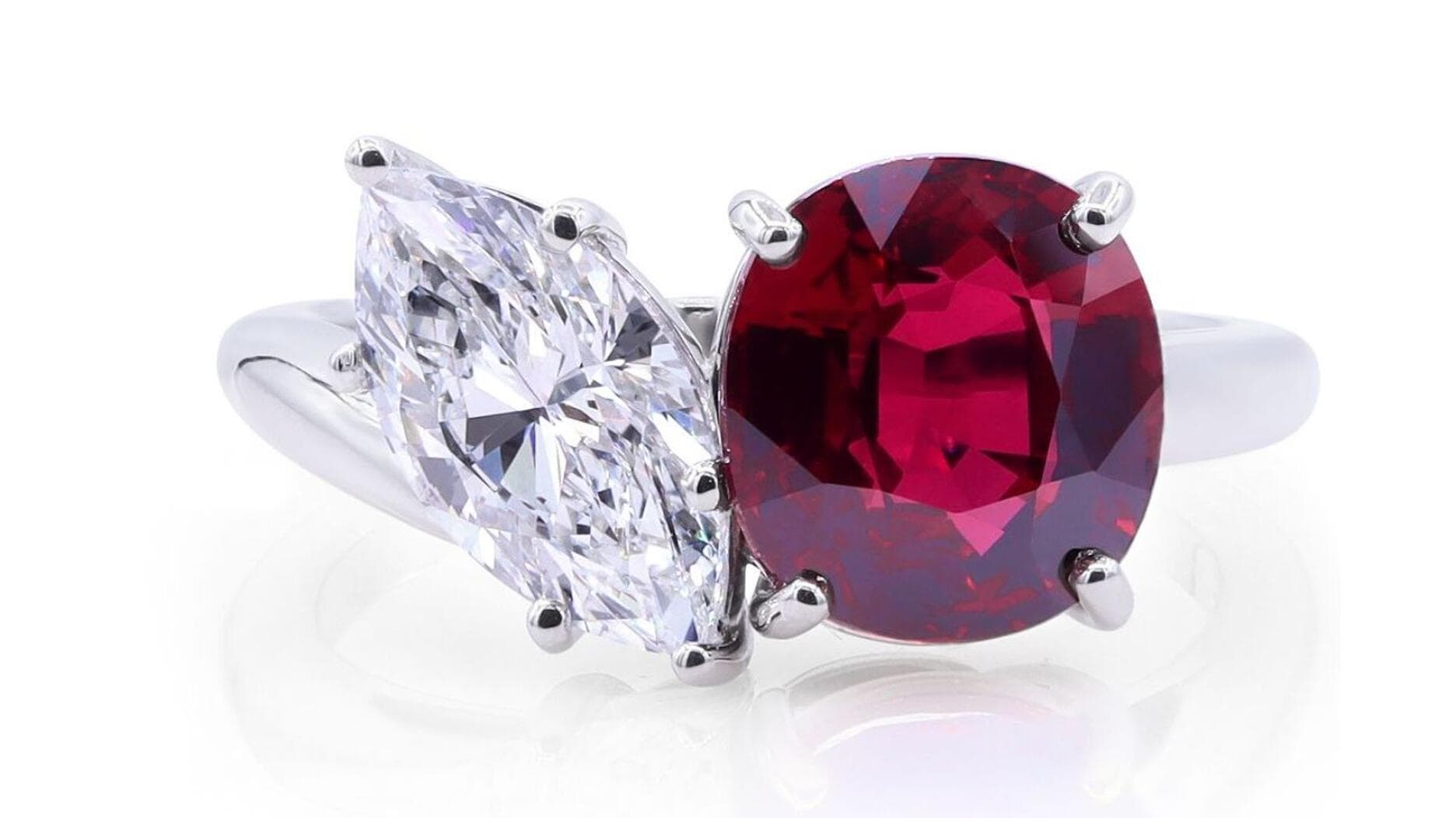
For July birthstone counters, the message is blunt: fine ruby is getting harder to buy, and harder to price neatly. GemGuide has raised its Mozambique ruby pricing and revised its Burma ruby charts as unenhanced material at the top end grows scarce, a shift that will ripple from wholesalers to retailers trying to explain why a stone once thought of as straightforward now carries more nuance, and often a higher ticket.
The pricing changes are live in the GemGuide app now and will appear in the July/August 2026 issue. GemGuide said its traditional 1-to-10 quality range for Burma no longer works for unenhanced ruby because fine material is so difficult to source. That matters on the sales floor, where customers shopping for a ruby birthstone are increasingly paying not just for color, but for origin, treatment status and the shrinking pool of top-grade stones that can still be called rare with a straight face.

Mozambique has become the engine of the market. Stuart Robertson said it has been the main source of gem-quality and near-gem-quality ruby entering the global market for at least the past decade, while Burma remains the benchmark for gem ruby. He also said appetite for ruby, especially unenhanced material, has been very good and is largely sold through a tender system, a structure that tends to keep pressure on prices when supply is tight. Gemfields has said Mozambican rubies have been in the trade since 2009, and that Montepuez Ruby Mining has been the dominant source for the Thai ruby trade.
The auction record helps explain the move. In February 2026, Gemfields reported $53 million from a mixed-quality ruby sale, with 121 of 135 lots sold at an average of $279 per carat, and said it was the first auction to include material from Montepuez Ruby Mining’s second processing plant. In June 2024, it brought in $69.5 million, with 94 of 97 lots sold at an average of $316.95 per carat. A June 2025 sale totaled $31.7 million and included a 36-carat ruby from a newer area of the Montepuez mine.


For jewelers, the pressure is on the middle of the market. Demand for color remains strong, but consumer confidence, tariffs, rising costs and supply uncertainty are squeezing the segment between scarce high-end goods and lower-end pieces that still move. Expect more careful language around treatment, more emphasis on origin, and more willingness to pivot to different ruby qualities or adjacent red stones when the finest unenhanced examples cannot be sourced at a price that makes sense.
This article was produced by Prism’s automated news system from verified source data, official records, and press releases, then run through automated quality and moderation checks before publishing. The system is built and supervised by the people who set the standards it runs under. Read our full AI policy.
Did this article answer your question?