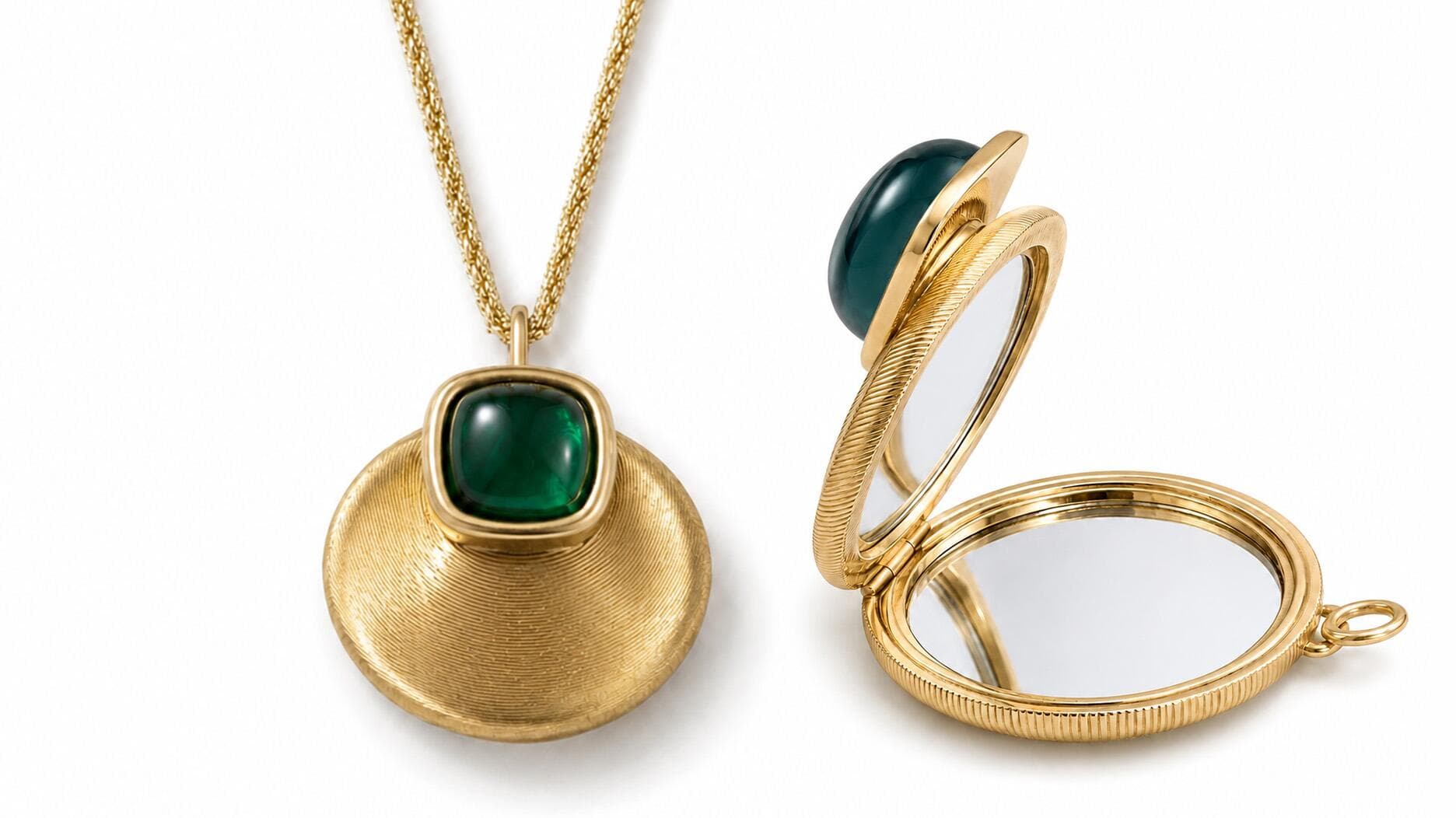
GIA says alexandrite is a durable June birthstone for daily wear
Alexandrite’s rarity makes cleaning part of value protection. Its 8.5 hardness, toughness, and no cleavage make it a rare June stone suited to daily rings.
Why alexandrite rewards careful ownership
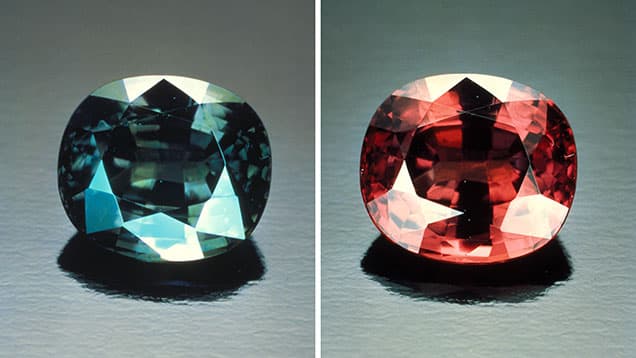
Alexandrite is one of June’s most elusive birthstones, and that rarity is exactly why care matters. The stone’s appeal is not static beauty but transformation, a color-change chrysoberyl that shifts from red under incandescent light to green in daylight or fluorescent light, so every trace of grime or wear can blunt the effect that gives it value in the first place.
For that reason, cleaning is not a housekeeping afterthought. It is part of preserving the gem’s long-term worth, especially in a ring, where the stone meets soap, lotion, skin oils, and the daily knocks that turn a beloved jewel into a well-traveled one.
Why it belongs in rings
GIA gives alexandrite an 8.5 on the Mohs hardness scale and calls out its excellent toughness and lack of cleavage, a combination that explains why it wears so well in rings and other everyday mountings. Hardness helps resist scratching, toughness helps it survive impact, and no cleavage means the stone does not have an obvious plane along which it wants to split.
That is a rare trio in colored gems, and it is what makes alexandrite feel both precious and practical. In the right setting, it can be worn with confidence, whether the design is a low-profile bezel that shields the girdle or a prong setting that lets more light play through the stone and intensify the color change.
The safest cleaning routine
Warm, soapy water is always safe for alexandrite, and it is the method that best balances gentleness with effectiveness. A short soak, a soft brush, and a careful rinse remove residue that can mute the gem’s surface and dull the shift from red to green. For a ring worn often, that simple routine is usually enough to keep the stone looking crisp and alive.
GIA says ultrasonic and steam cleaners are usually safe for normal alexandrite jewelry, which is useful for owners of well-made, untreated pieces. But that word, normal, matters. If the stone has been fracture-filled, warm, soapy water is the only cleaning method that should be used, because more aggressive equipment can compromise a treatment that is already part of the gem’s structure.
A concise do and don’t checklist for daily wear
- Do remove the ring before gardening, heavy workouts, or household cleaning.
- Do use warm water, mild soap, and a soft brush for routine cleaning.
- Do check that the setting is secure, especially if the stone sits in prongs.
- Do enjoy the stone in daily wear, because its hardness and toughness are suited to it.
- Don’t assume every alexandrite can go into an ultrasonic or steam cleaner.
- Don’t use harsh chemicals, abrasives, or rough cloths that can scratch the setting or mar the polish.
- Don’t clean fracture-filled alexandrite with anything other than warm, soapy water.
That last point is the one that protects value most clearly. A rare gem deserves a cleaning method that is as measured as the buy itself.
The history behind the color change
Alexandrite’s story begins in 1830 in Russia’s Ural Mountains, where abundant deposits were first discovered and the first stones displayed vivid hues and dramatic color change. The gem was named after the young Alexander II, and its red-and-green flashes echoed the imperial Russian military colors, which gave the stone an identity that was both geological and political from the start.
The original locality was Russia, but fine material later emerged in Brazil, Sri Lanka, Tanzania, Madagascar, Zimbabwe, India, and Burma. GIA notes that most alexandrite now comes from Sri Lanka, East Africa, and Brazil, while the American Gem Society says the Russian deposits were exhausted before new Brazilian supplies were discovered in 1987. That geography helps explain why fine alexandrite is still so admired: it is never common, and true top-quality color change remains the exception, not the rule.
Natural, synthetic, and simulated are not the same thing
For collectors, the distinction between natural, synthetic, and simulated alexandrite is essential. The American Gem Society notes that synthetic alexandrite has been grown in laboratories since the 1960s, and that it should not be confused with simulated alexandrite made from other materials. Synthetic stones share the chemistry of the gem and can show convincing color change, while simulants only imitate the appearance.
That difference matters in pricing, disclosure, and long-term value. A fine natural alexandrite owes its worth to rarity, origin, and color quality, while a synthetic may offer beauty and wearability without the same scarcity premium. In a birthstone ring, transparency about what you are buying is part of the craftsmanship conversation, not an afterthought.
Why the right care preserves more than polish
Alexandrite endures daily wear because it was born with strength, but its magic is visual, not mechanical. The cleaner the stone, the more clearly the color change can move across the surface, and the more satisfying it is to watch a ring shift character as the light changes from one room to the next. That is the real luxury of alexandrite: a gem rare enough to feel special, and sturdy enough to live with.
Kept clean with warm, soapy water, protected from unnecessary strain, and understood for what it is, alexandrite remains one of the most compelling June birthstones for everyday jewelry. Its value lies not only in scarcity, but in the discipline required to keep that scarcity looking luminous.
This article was produced by Prism’s automated news system from verified source data, official records, and press releases, then run through automated quality and moderation checks before publishing. The system is built and supervised by the people who set the standards it runs under. Read our full AI policy.
Did this article answer your question?