GIA spotlights August birthstones, peridot, spinel and sardonyx
August is the rare birth month with three official stones, and each tells a different story: peridot’s brightness, spinel’s insider appeal, sardonyx’s ancient weight.
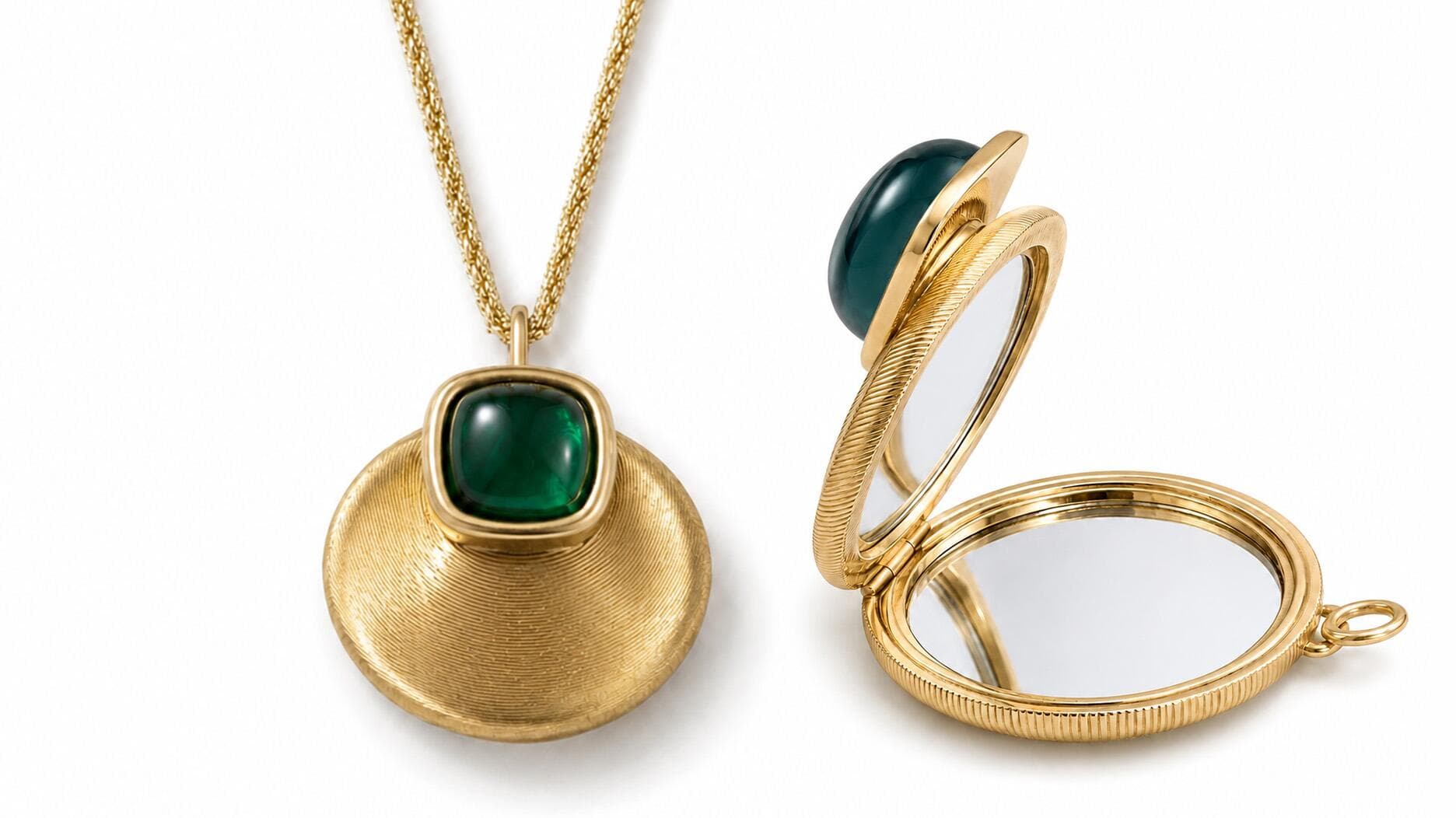
August does not belong to one gemstone. The American birthstone list, established in 1912 by the American National Retail Jewelers Association, eventually gave the month a trio of identities, and in 2016 spinel joined peridot and sardonyx to make August one of only three months with three birthstones. That shift changed the conversation from a single prescribed gem to a more personal one: the best August stone is now the one that fits the wearer, the wardrobe, and the mood.
Peridot: the clearest read on August
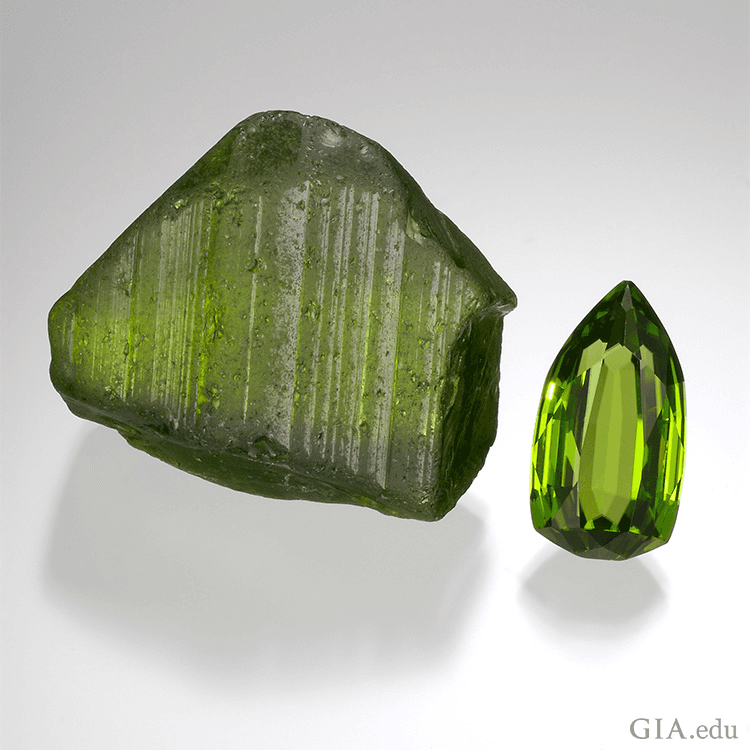
Peridot is the bright, unmistakable choice, the one that reads as August at a glance. GIA identifies it as the gem variety of olivine, with iron responsible for its yellowish-green color, and notes that it forms in basaltic volcanic rocks. The stone’s story reaches beyond Earth, too. Peridot has been found in pallasite meteorites and in comet dust returned by the Stardust mission in 2005, which gives it an unusual dual identity, part deep-Earth gem, part space traveler.
That is why peridot feels so immediate in jewelry. It is vivid without being fussy, and it brings a clean flash of color to rings, pendants, and earrings that are meant to be seen every day. Ancient Egyptians mined it on the Red Sea island of Zabargad, and the finest stones from that source are represented in museums, which adds a layer of authority to a gem that can otherwise seem purely cheerful. It is also the August birthstone for the 15th anniversary, another reason it has remained a familiar, giftable option.
For a wearer who wants a birthstone that is obvious in the best way, peridot is the answer. Its color does the work, so the jewel does not need excess ornament to make its point. A simple setting lets the green glow stay front and center, which is exactly why peridot remains the month’s most recognizable face.
Spinel: the insider pick with real momentum
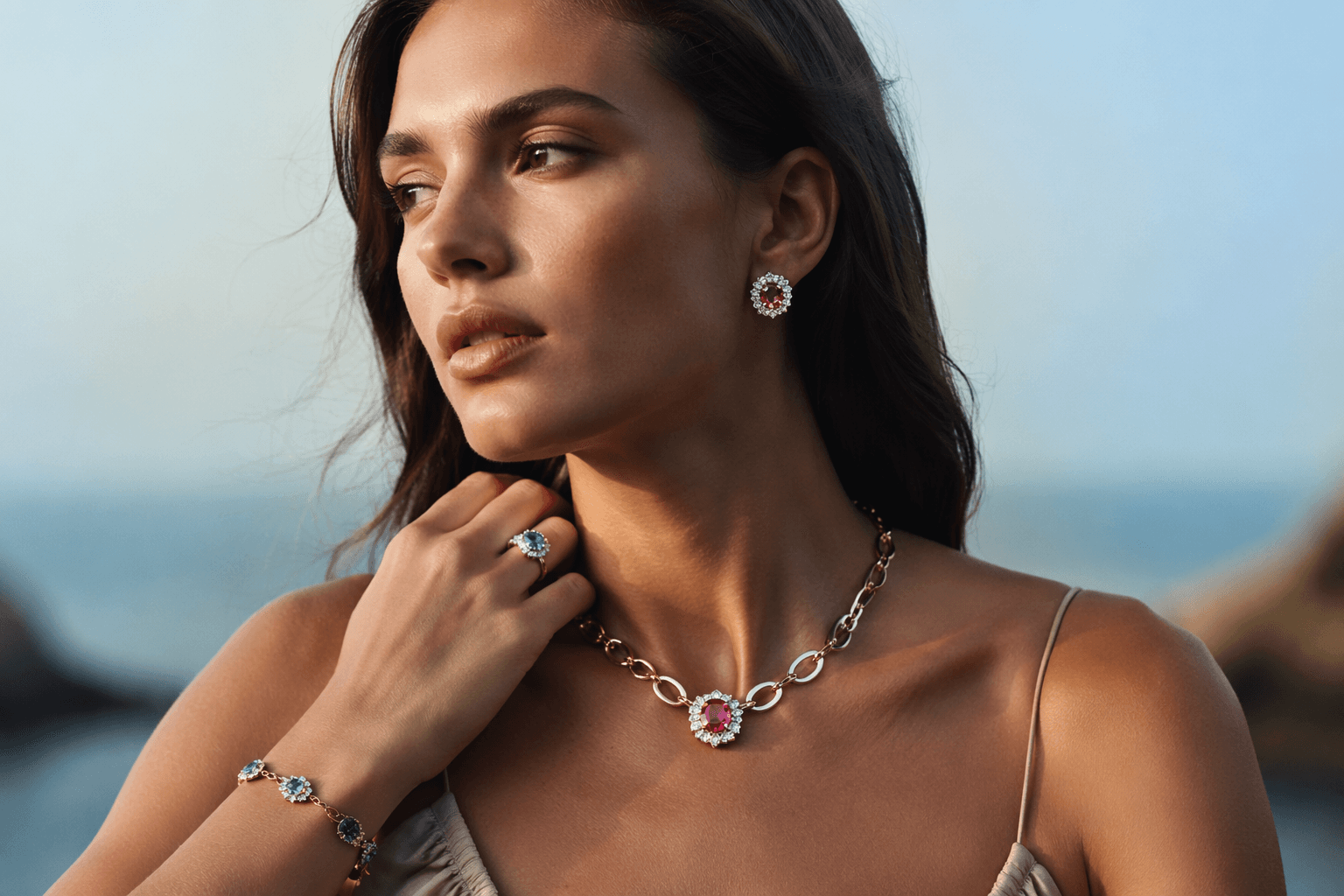
Spinel is the stone that changes the tone of the month. Recently added as an August birthstone, it comes with a past that is far older than its current fame. GIA says spinel was long mistaken for ruby by emperors and monarchs, and that many famous historical rubies were actually spinels. Some ancient mines that supplied royal courts from Rome to China produced spinel, but because it was so often confused with ruby or sapphire, it rarely received the credit it deserved.
That historical correction matters now because spinel is finally having its moment with consumers. GIA describes it as history’s most underappreciated gem, and the buyer’s market reflects that late recognition. Over the last couple of decades it has been making a name for itself, while demand exceeds supply, a combination that gives the stone a collector’s edge without pushing it into the predictable territory of better-known gems.
Spinel’s value lies in its range. It can appear in red, pink, blue, orange, violet, black, and colorless hues, so it moves easily between classic and contemporary looks. A vivid red spinel can nod to old-world glamour, while a blue or black stone can feel much more modern, even architectural. For the person who wants August birthstone jewelry with more depth than a standard birthstone presentation, spinel is the insider choice, the one that feels discovered rather than assigned.
Sardonyx: the original August stone with ancient authority
Sardonyx is the oldest August birthstone, and it brings a very different kind of appeal. GIA calls it the original August birthstone and dates its history back more than 4,000 years. The American Gem Society traces it to Egypt’s Second Dynasty and notes that ancient Greeks and Romans wore it as a protective battle talisman, often engraved with figures such as Hercules and Mars, linking the stone to courage, victory, and protection.
That history gives sardonyx a presence that is quieter than peridot and less commercially visible than spinel, but no less compelling. Its banded look creates an antique, graphic effect that feels especially suited to pieces with structure and clarity. Where peridot announces itself with color and spinel with rarity, sardonyx makes its case through pattern and memory, which is exactly why it feels so rich for anyone drawn to jewelry with a sense of lineage.
In a modern setting, sardonyx is the most unexpected August stone, and that is part of its appeal. It works for a wearer who prefers heritage over flash, story over sparkle, and a jewel that carries the weight of centuries without trying too hard to impress.
How to choose the August stone that fits you
August’s three birthstones create a rare kind of style map, and the best choice depends on what kind of statement you want to make.
- Choose peridot if you want the brightest, most recognizable birthstone look. It is the easiest stone to wear as a direct expression of the month.
- Choose spinel if you want the collector’s option. Its color range and rising status make it ideal for someone who likes the feeling of knowing the better-kept secret.
- Choose sardonyx if you want the most historical and least expected choice. Its ancient pedigree gives it a quiet strength that feels especially relevant in jewelry with an engraved or signet-like mood.
August is unusually generous in that sense. It offers a sunlit green, a gem connoisseur’s favorite, and a stone with more than four millennia of history. That variety is what makes the month feel so current: the best birthstone is no longer the one the calendar assigns first, but the one that best matches the person wearing it.
This article was produced by Prism’s automated news system from verified source data, official records, and press releases, then run through automated quality and moderation checks before publishing. The system is built and supervised by the people who set the standards it runs under. Read our full AI policy.
Did this article answer your question?