How to choose protective settings for fragile birthstone jewelry
Opal, pearl, and emerald need more than pretty settings. A bezel, partial bezel, or halo can protect the stone, preserve wearability, and spare you future repairs.
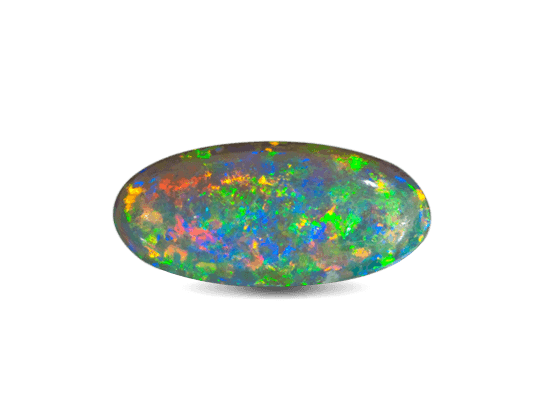
An open prong setting can leave fragile birthstones like opal and pearl exposed to scratches, chips, and everyday knocks. A bezel or halo adds the kind of protection that helps the piece survive real life.
Why the setting matters first
Gemstone hardness gets most of the attention, but toughness is what often decides whether a piece can handle daily wear. Opal ranges from 5 to 6.5 on the Mohs scale depending on composition and formation conditions, and GIA rates its toughness from very poor to fair. A thin metal wall around the stone can shield it from the bumps and bangs that damage softer, more delicate gems.
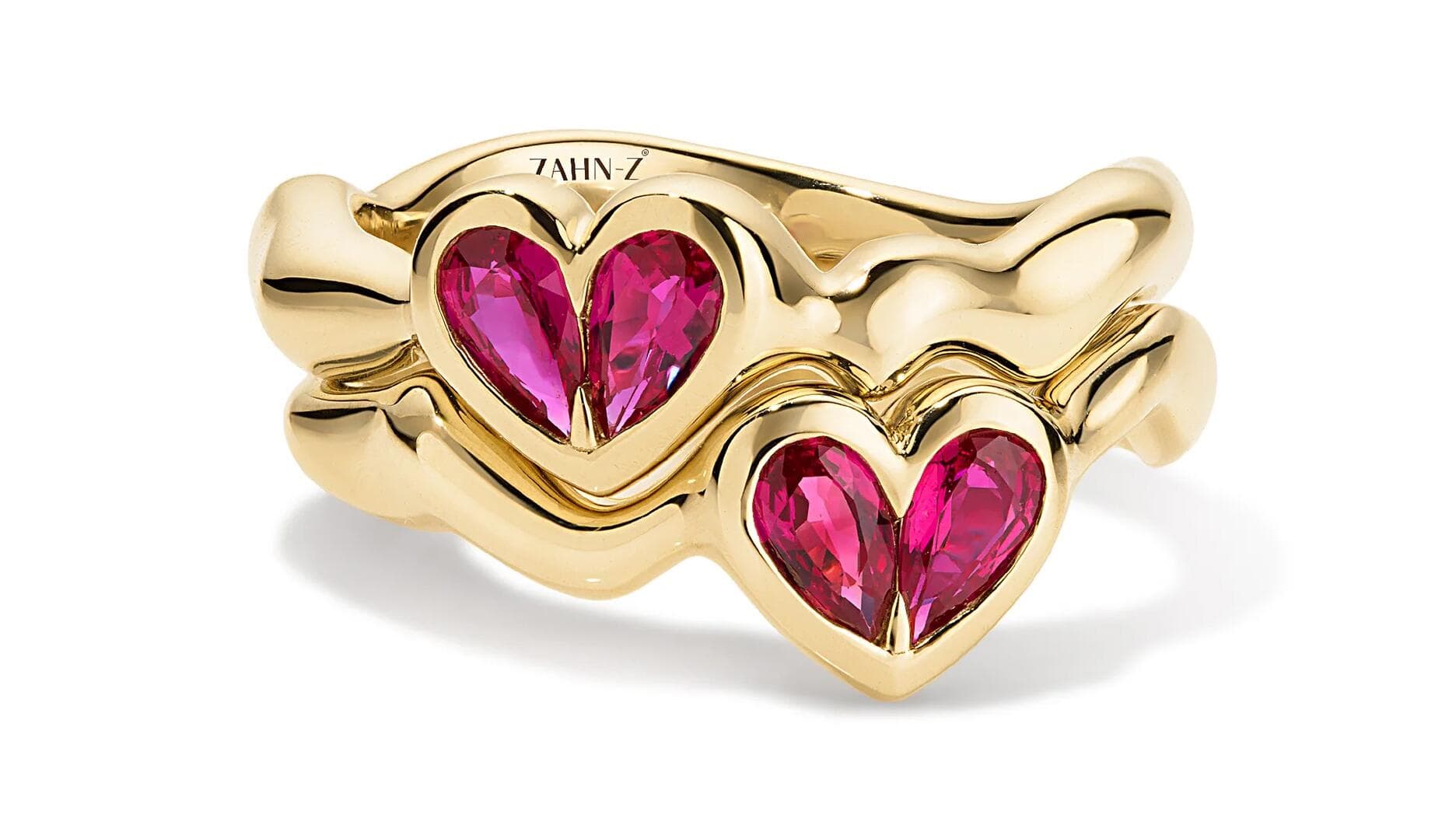
A bezel setting does exactly that. A thin strip of metal holds the gem in place while protecting the girdle, the stone’s widest edge, against impact. Partial bezels and V-shaped prongs can do some of the same work, especially when a stone has vulnerable points or corners. For many birthstones, a bezel, partial bezel, or halo-style surround is a better everyday choice than a high, exposed solitaire ring.
The stones that need the most protection
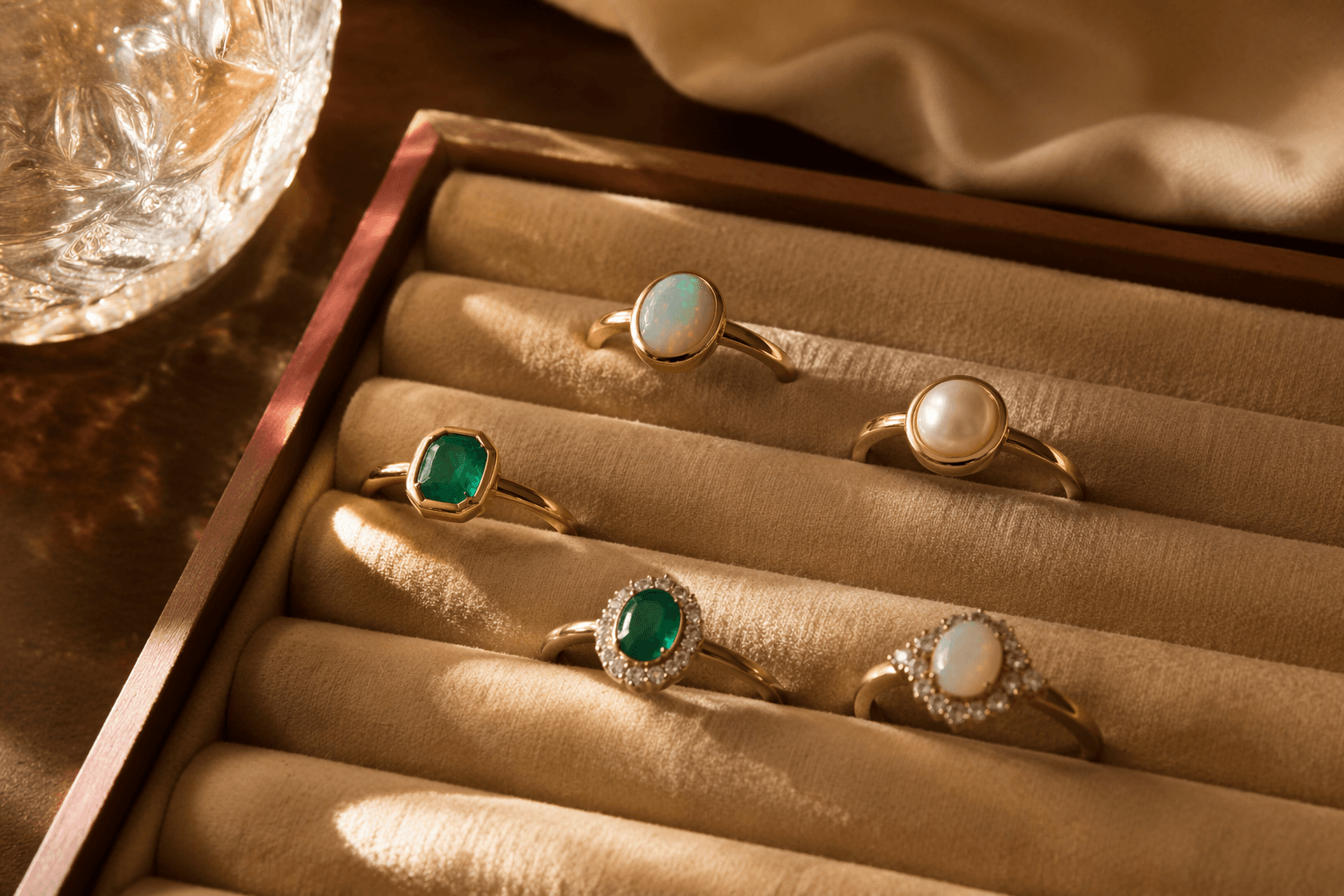
Opal is the clearest case for protective design. Its beauty is tied to its internal structure, but that same structure makes it vulnerable to scratching and chipping. A ring with exposed prongs can look airy and delicate in a case, but on a hand that sees keys, tabletops, handbags, and door handles, that delicacy becomes a liability. Pendants and earrings usually keep opal safer because they face less impact than a ring worn all day.
Emerald presents a different kind of problem. GIA places it at 7.5 to 8 on the Mohs scale, so it is harder than opal, but hardness is not the full story. Many emeralds contain surface-reaching fractures, and fracture-filled stones account for 90 percent or more. That means a stone can be durable enough for jewelry and still be vulnerable to the wrong cleaning method, the wrong impact, or an overly open setting that leaves the edges exposed.
Pearl is the softest of the three and one of the most chemically sensitive. GIA ranks pearl at 2.5 on the Mohs scale, making it very soft and easily scratched or abraded. It should never go into an ultrasonic or steam cleaner, and it needs to be kept away from harsh chemicals, perfumes, hairspray, cleaning agents, and sharp or rough objects. A pearl ring can be beautiful, but if you want a piece that will be worn often, earrings or a pendant are usually the safer buy.
The best settings for everyday wear
For fragile birthstones, a low-profile bezel is the most convincing investment case. It reduces the amount of stone left exposed and creates a metal rim that helps absorb the hits a ring inevitably takes. If you want more light around the stone without giving up too much protection, a halo or partial bezel can be a useful compromise, especially when the center gem is small or especially vulnerable.
V-shaped prongs are worth knowing because they solve a specific problem. They protect vulnerable points and corners, which is why they are commonly used on pointed shapes. That matters less for an oval opal or round pearl and more for cut stones with corners, but the principle is the same: the setting should protect the part most likely to chip first.
If you are choosing between a ring and another format, consider the wear pattern before the birthstone itself. Pendants and earrings reduce contact with hard surfaces and make more sense for opal and pearl than a ring meant for daily use. A ring can still work, but the lower and more enclosed the setting, the better the odds that it will stay wearable rather than become a repair project.
How to clean without undoing the setting’s work
A protective setting only helps if the care routine matches the stone. Emeralds should not be cleaned in an ultrasonic cleaner because the vibrations and heat can cause filler to sweat out of fractures. The safest method is warm, soapy water and a soft brush, used gently.
Pearls need even gentler treatment. They should never be cleaned in an ultrasonic or steam cleaner, and warm, soapy water is only for occasional, thorough cleaning. Because pearls are porous and sensitive, everyday exposure to cosmetics and hairspray matters as much as the setting itself. Put the pearl on after styling products, not before.
Why birthstone jewelry is still such a big buy
The modern U.S. birthstone list was standardized in 1912 by the American National Retail Jewelers Association, which Jewelers of America identifies as the originator of the list.
The American Gem Society treats birthstones as a major educational topic. GIA was established in 1931 as an independent nonprofit protecting the gem and jewelry buying public.
This article was produced by Prism’s automated news system from verified source data, official records, and press releases, then run through automated quality and moderation checks before publishing. The system is built and supervised by the people who set the standards it runs under. Read our full AI policy.
Did this article answer your question?