How to clean birthstone jewelry by gem, from ruby to opal
The safest birthstones for daily wear are the hard, unfilled stones. Pearls, opals and fracture-filled gems need gentler hands, smarter settings and stricter cleaning.
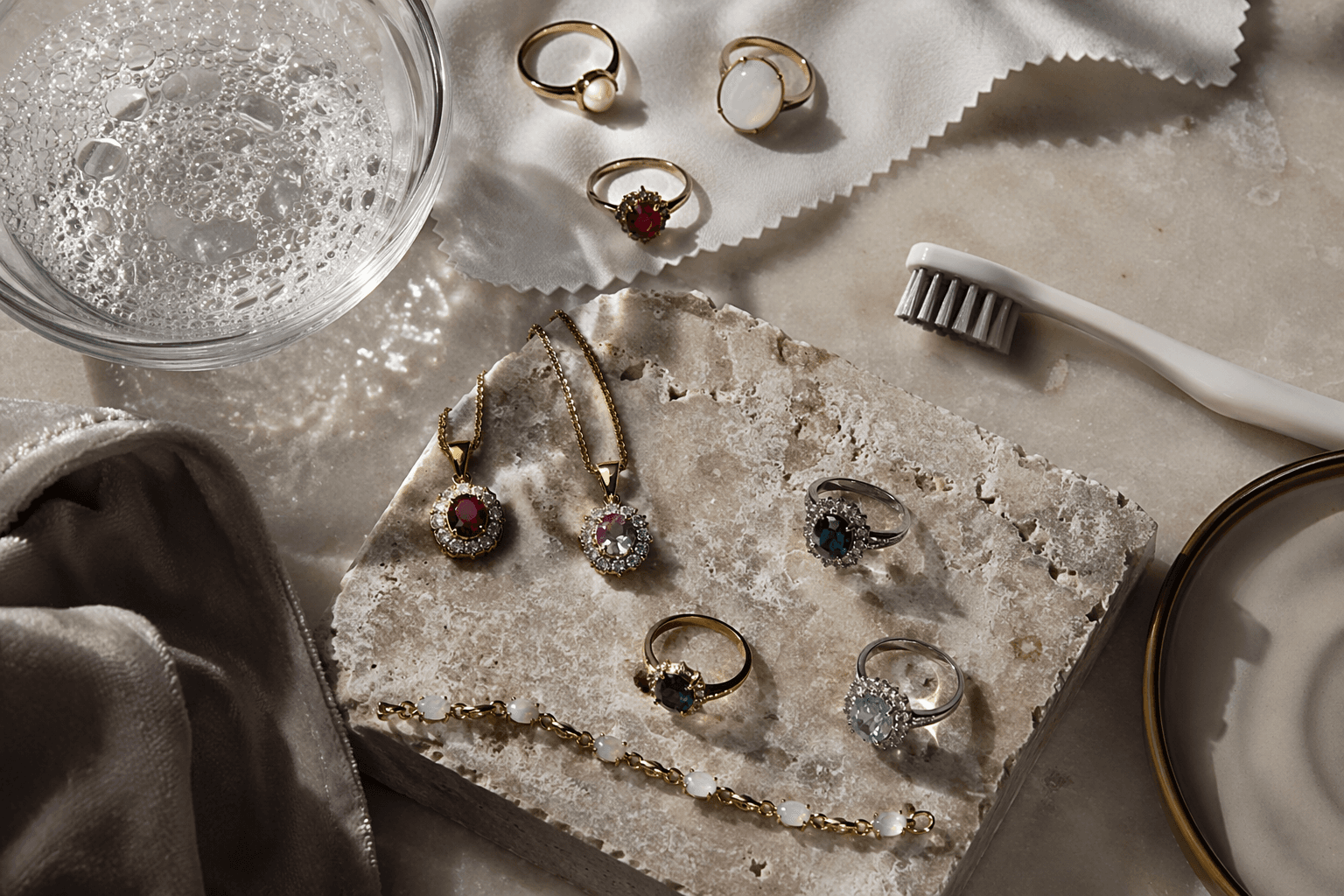
Ruby, sapphire and garnet can handle daily wear far better than emeralds, pearls and opals, which need more protection, more patience and often a better setting than a carefree ring.
The stones that can handle real life
These harder birthstones are best suited to active daily wear, and they feel most at home in rings, bracelets and cufflinks. Ruby is the hardest of the group, at 9 on the Mohs scale, which is why it resists scratching so well. Sapphire is also exceptionally tough, though its treatment history matters: many sapphires are heated, some are diffusion-treated, and a small number are filled with high-lead-content glass, which changes how cautiously they should be cleaned.
For these harder stones, warm sudsy water and a tightly woven microfiber cloth are the safest home-cleaning tools. The mistake that causes the most trouble is assuming every gem can take ultrasonic or steam cleaning. That is where a durable-looking stone can become a repair job, especially if it has fractures, fillers or other treatments that are invisible to the naked eye.
Ruby and sapphire: strong, but not invincible
Ruby and sapphire are ideal examples of why hardness is only part of the story. A ruby in a ring can stand up to frequent wear because it resists scratching, but it still should come off before chlorine, salt water, hot tubs and pools. Sapphire can feel almost indestructible, yet treated stones, particularly those with glass filling, require greater care than untreated, heat-treated or lattice-diffusion-treated sapphire.
That makes disclosure essential before you buy. Ask whether the stone is untreated, heat-treated, diffusion-treated or fracture-filled, because the answer changes both how you wear it and how you clean it. A sapphire that lives in a pendant may be an easy companion for years; the same stone in a high-setting ring may demand more caution if it has been filled or heavily treated.
Emerald belongs in a more protected life
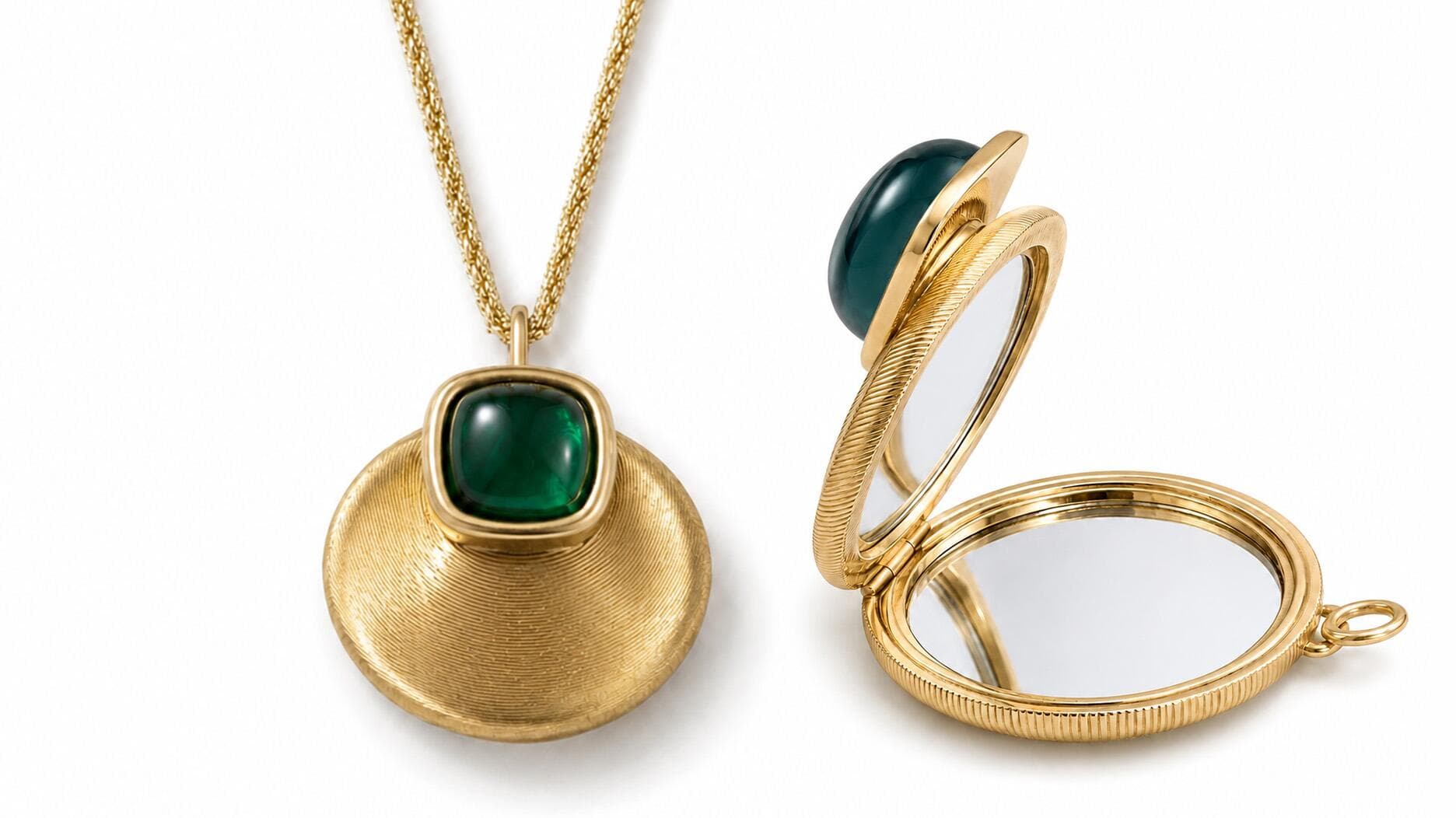
Emerald is the classic reminder that beauty and durability are not the same thing. Emerald ranks 7.5 to 8 on the Mohs scale, but with only fair to good toughness, and GIA estimates that 90 percent or more of fashioned natural emeralds are fracture-filled. Heat, pressure and cleaning machines can all be unforgiving to those fillings.
Ultrasonic and steam cleaning are risky because hot steam can draw out oil or unhardened resin from fractures, while light and chemicals can alter the oils, resins and polymers used in filling. Emerald is often better in earrings or a necklace than in a ring that sees every knock against a countertop, bag clasp or steering wheel.
Pearls and opals ask for the most restraint
Pearls are chemically sensitive, which is why they belong to the gentlest end of the birthstone spectrum. Cosmetics, hairspray, perfume, ammonia and chlorine can all affect pearl condition, and pearls should never go into an ultrasonic or steam cleaner. Wipe cultured pearls with a very soft, clean cloth after each wearing, and if the strand is strung, make sure it is completely dry before it goes back on.
Opal is even more delicate in daily life. AGTA places opal at 5.5 to 6.5 on the Mohs scale, while GIA gives its hardness as 5 to 6.5 with very poor to fair toughness. That combination means it can be worn beautifully, but not carelessly. It should be stored carefully to avoid scratches, kept away from ultrasonic and steam cleaning, and removed before workouts, showers or any routine that risks impact or heat.
How to clean birthstones without damaging them
A clean birthstone should look luminous, not freshly scrubbed. The safest method depends on the gem.
- Ruby and sapphire: warm sudsy water, a soft cloth, and a light touch.
- Spinel: warm water, gentle dish detergent and a soft brush.
- Emerald: cautious wiping and professional cleaning rather than aggressive home treatment.
- Pearls: wipe after wear with a soft cloth, then store in a pouch or case.
- Opal: dry handling only, with no ultrasonic or steam cleaning.
The real damage usually comes from over-cleaning, not under-cleaning. Steam, ultrasonic machines, chlorine, salt water and harsh chemicals do the most harm to treated, filled or porous stones. Even a sturdy gem can lose its polish or loosen in its setting if it is cleaned too often or too aggressively.
Why the setting matters as much as the stone
A birthstone’s durability is inseparable from how it is mounted. Tougher gems are better for rings and bracelets, while more vulnerable stones are happier in earrings or necklaces where they take fewer blows. A secure, protective mounting matters even more when a stone is softer, fractured or filled, because it reduces the chance of chips and surface wear.
A more enclosed mount offers more protection than an open, exposed one, and a stone that should live in a pendant may be a poor candidate for a ring worn through handwashing, lifting and typing.
What the modern birthstone list has become
The official U.S. birthstone list dates back to 1912, when it was established by the American National Retail Jewelers Association, now Jewelers of America. The list has been updated over time, and spinel joined the official August lineup in 2016 alongside peridot and sardonyx. More than one gem often serves the same month because history, trade and consumer taste have all reshaped the palette.
Spinel has a hardness of 8 and is suitable for any type of jewelry, with easy home cleaning in warm water and gentle dish detergent.
This article was produced by Prism’s automated news system from verified source data, official records, and press releases, then run through automated quality and moderation checks before publishing. The system is built and supervised by the people who set the standards it runs under. Read our full AI policy.
Did this article answer your question?