JCK spotlights birthstone gems, garnet, spinel, and paraiba tourmaline surge
Garnet, spinel, and paraiba tourmaline are defining 2026’s color-first birthstone mood, with JCK and Tucson dealers pushing vivid stones over quiet tradition.
The color shift
The birthstone story is turning decisively toward saturation. JCK’s Summer 2026 print issue frames the season as “a bold celebration of color,” and that feels like the right lens for a year when garnet, spinel, rubellite, and paraiba tourmaline suddenly read less like old-school month markers and more like fashion stones with attitude.
The magazine’s 138-page summer issue, published on April 30, 2026, carries the cover line “Let It Glow: The Most Brilliant Minds in the Jewelry Biz Are Vegas Bound.” That energy runs through the broader editorial message too: Pantone’s 2026 Color of the Year may be Cloud Dancer, but JCK’s runway coverage says jewelry is moving in the opposite direction, toward “new maximalism” and bold color.
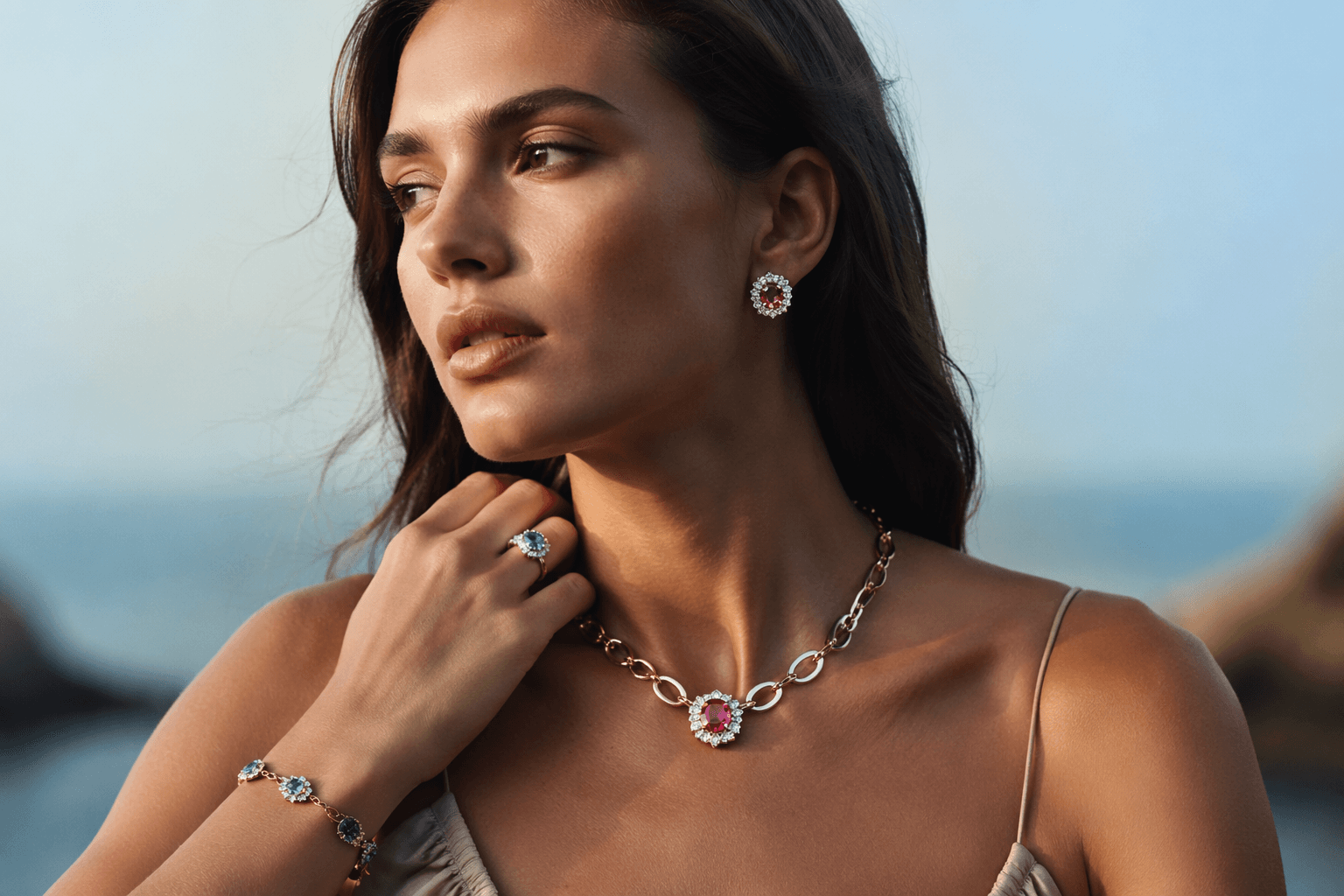
That shift matters because it changes how birthstones are worn. Instead of being treated as sentimental placeholders, the strongest stones now act like style statements, the kind that can anchor a white shirt, a black column dress, or a simple knit with the same authority as a more traditional diamond jewel.
From Tucson to the trend cycle
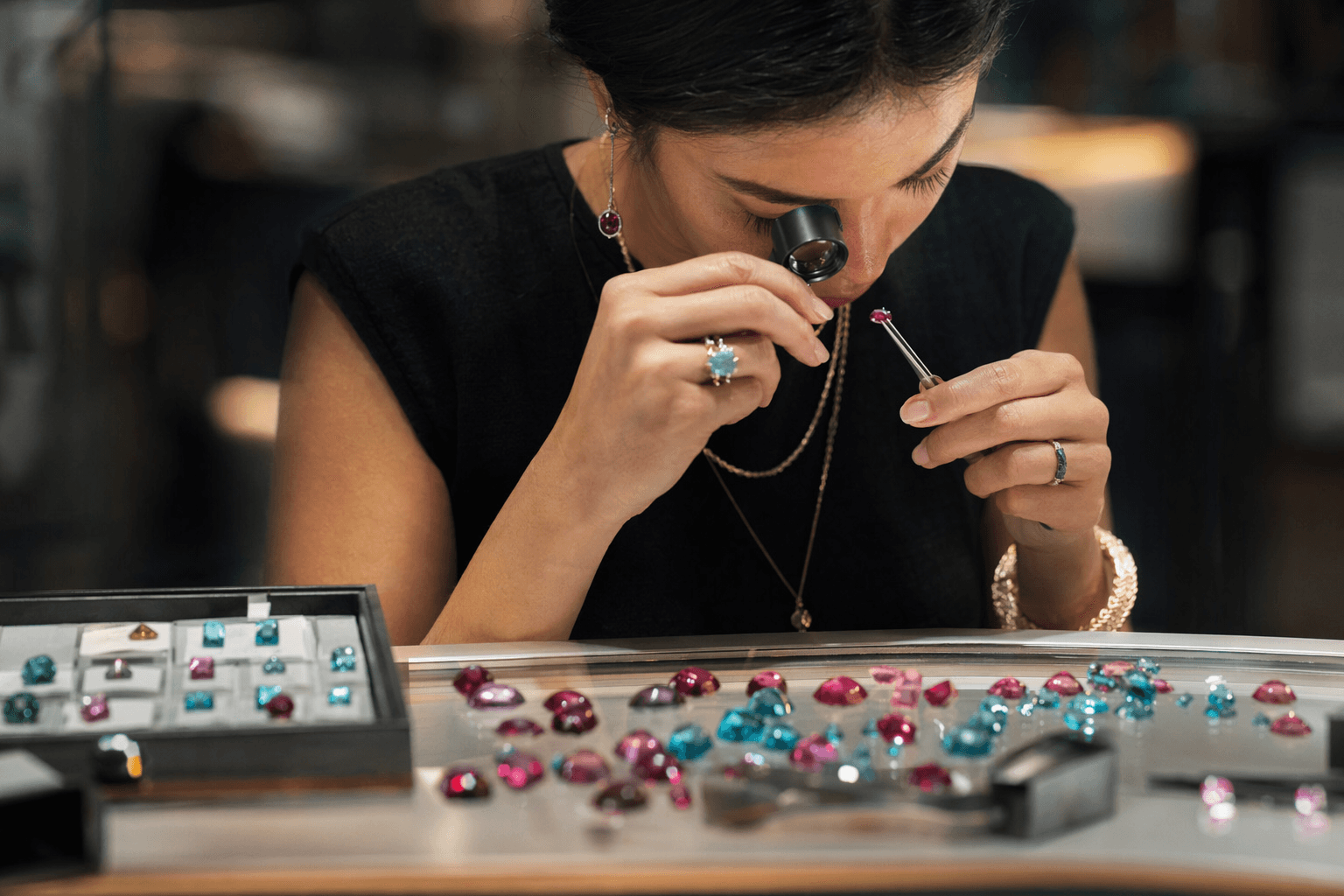
JCK editor-in-chief Victoria Gomelsky reported from the Tucson gem shows with a clear read on the market: higher-end consumers want color, and they want it in stones with personality, including garnet, spinel, and the rarer paraiba tourmaline. That demand showed up in a market where the American Gem Trade Association held GemFair Tucson from February 2 to February 6, 2026, describing it as “color’s premier show” for natural colored gemstones, natural pearls, and cultured pearls.
The trade-show mood was encouraging even with tariff anxiety in the background. AGTA said sales were early and brisk, with few complaints tied to tariffs, which suggests that serious buyers were still willing to spend for strong color and fine cutting. For jewelry readers, that is the clearest signal yet that vivid stones are not a fringe taste this season. They are a center-of-gravity category.
JCK also noted that certain Mahenge spinels from Tanzania are becoming harder to find, which only sharpens the appeal of pieces that still surface in the market. Scarcity and color always make a potent combination, especially when collectors are already moving away from safer, paler palettes.
Garnet, January’s birthstone, feels newly graphic
Garnet has the rare advantage of carrying both depth and history. It is January’s birthstone, it has been used since the Bronze Age, and its name comes from medieval Latin granatus, meaning pomegranate. That etymology still feels apt, because the best garnets look like they have been cut from something ripe and sealed, their color dense enough to read as almost architectural.
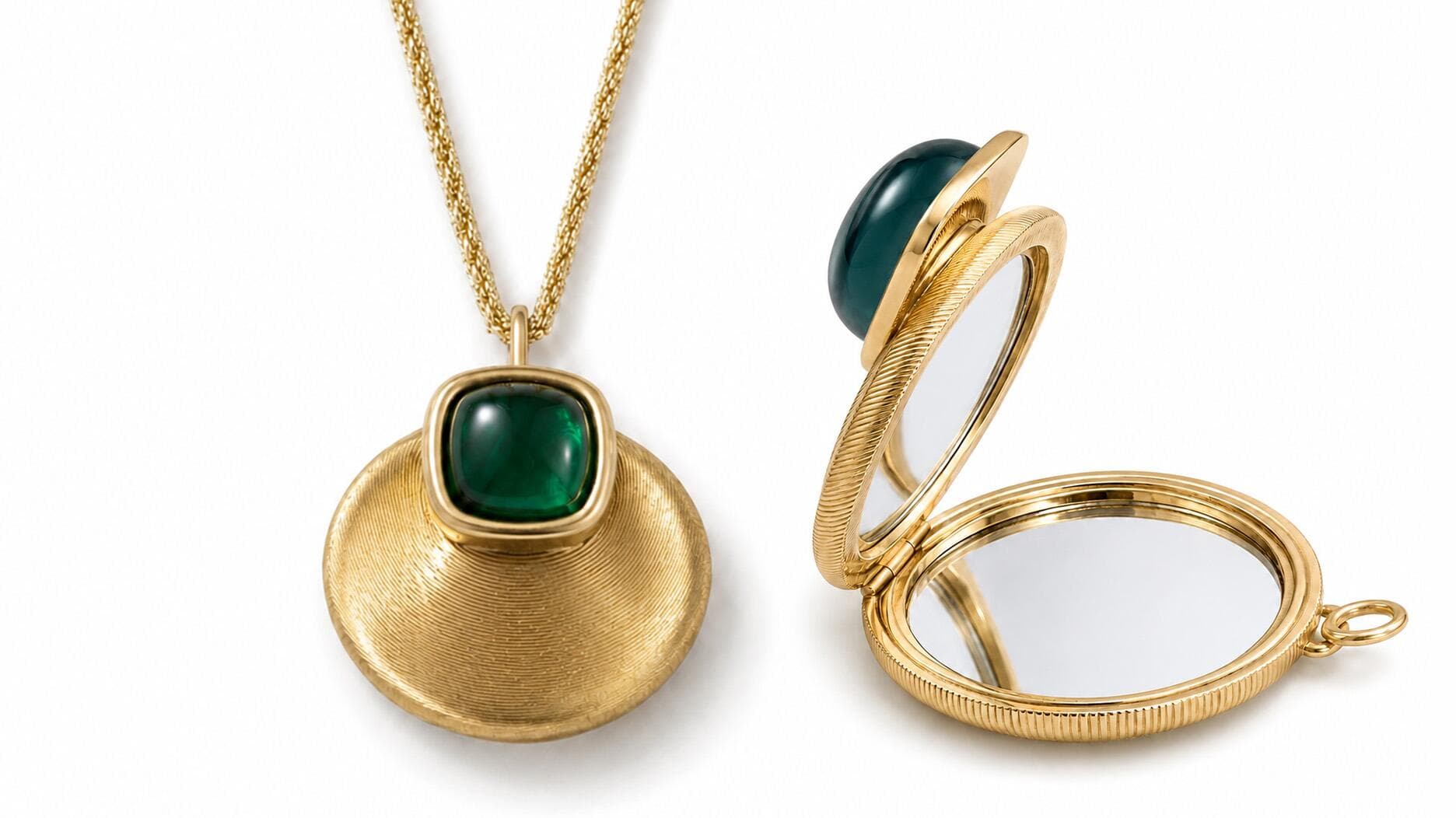
For modern jewelry, that makes garnet especially useful. It gives you the saturated red that this year’s color story demands without the icy formality of a ruby or the bright flash of a spinel in cobalt blue. Worn in a signet ring, a pendant, or a clean solitaire setting, garnet lands as both ancient and completely current.
If your month is January, the smartest way to wear garnet right now is with restraint around the stone and confidence around the silhouette. A crisp bezel, a neat east-west setting, or a single strong cabochon lets the color do the work. The appeal is not that garnet tries to compete with diamond; it is that it brings a warmer, more intimate kind of glow.
Spinel’s comeback is rooted in color range and rarity
Spinel is one of August’s birthstones, and the American Gem Society lists both peridot and spinel for the month. That alone makes it a useful choice for readers who want a birthstone that does not feel predictable. Spinel comes in a remarkable range of colors, including orange, red, pink, purple, blue, violet, and bluish green, which gives designers enormous freedom and gives wearers a chance to choose a stone that feels personal rather than prescribed.
Its history only adds to the appeal. Red spinel was long mistaken for ruby in royal jewels, a reminder that some of the world’s most famous “rubies” were actually something else entirely. That backstory gives spinel a kind of stylish revenge, especially now that collectors know exactly what to look for and are willing to pay for it.
The most desirable examples are often the reds and cobalt blues, and JCK’s Tucson coverage makes clear that Mahenge spinel from Tanzania is increasingly hard to source. That combination of beauty, limited supply, and strong color is precisely what pushes spinel from supporting character to headline stone. For August birthdays, it is the most fashion-forward answer to the birthstone question.
Paraíba tourmaline brings the most electric hue
Paraíba tourmaline is the gemstone world’s color adrenaline shot. It is a copper-bearing blue-to-green tourmaline first discovered in Brazil’s Paraíba state in the late 1980s, and it quickly became one of the most coveted names in the colored-stone market. The Gemological Institute of America says similar material later turned up in Nigeria and Mozambique, and that geographic origin plays a real role in pricing.
That matters because not all blue-green tourmalines are equal in the eyes of collectors. Paraíba material is prized for its unmistakable glow, the kind of color that can look almost lit from within, and JCK’s Tucson reporting underscored how much appetite there is for it among higher-end buyers. Some stones have an especially vivid flash effect, which only intensifies the sense that the gem is more light source than ornament.
For readers choosing a birthstone or simply wanting the strongest color note of the season, paraíba is the jewel that feels most aligned with the year’s forward-looking mood. It is not quiet, and it is not meant to be. It is the stone for anyone who wants color with voltage.
The jewelry that translates the trend
One of JCK’s most striking examples of this shift is Retrouvaí’s hand-carved rubellite flower earrings, set with oval diamonds in 14k yellow gold and priced at $18,280. The piece does exactly what the best color-driven jewelry should do: it turns a stone into a sculptural object, then lets the setting sharpen the effect rather than flatten it.
That price sits firmly in fine-jewelry territory, but the value is carried by more than gold weight. Hand-carving, diamond accents, and a floral form all signal labor, and in a year dominated by bold color, that craftsmanship makes the earrings feel editorial rather than merely decorative. They are the sort of piece that translate runway mood into something you can actually wear, which is exactly where birthstone jewelry gets interesting.
If this is your month
- January calls for garnet when you want depth, warmth, and a stone that can move easily between daily wear and evening polish.
- August belongs to spinel if you want a birthstone with range, especially in red or cobalt blue, where the stone’s history and color story feel most alive.
- If you are drawn to the most vivid end of the spectrum, paraíba tourmaline is the clearest signal that birthstone jewelry has entered its color-forward phase.
Birthstone jewelry is rarely just about the month on the calendar. Right now, it is about choosing the stone that looks most alive against the clothes people are actually wearing, and in 2026, that means color with history, color with provenance, and color that knows how to make a room notice it.
This article was produced by Prism’s automated news system from verified source data, official records, and press releases, then run through automated quality and moderation checks before publishing. The system is built and supervised by the people who set the standards it runs under. Read our full AI policy.
Did this article answer your question?