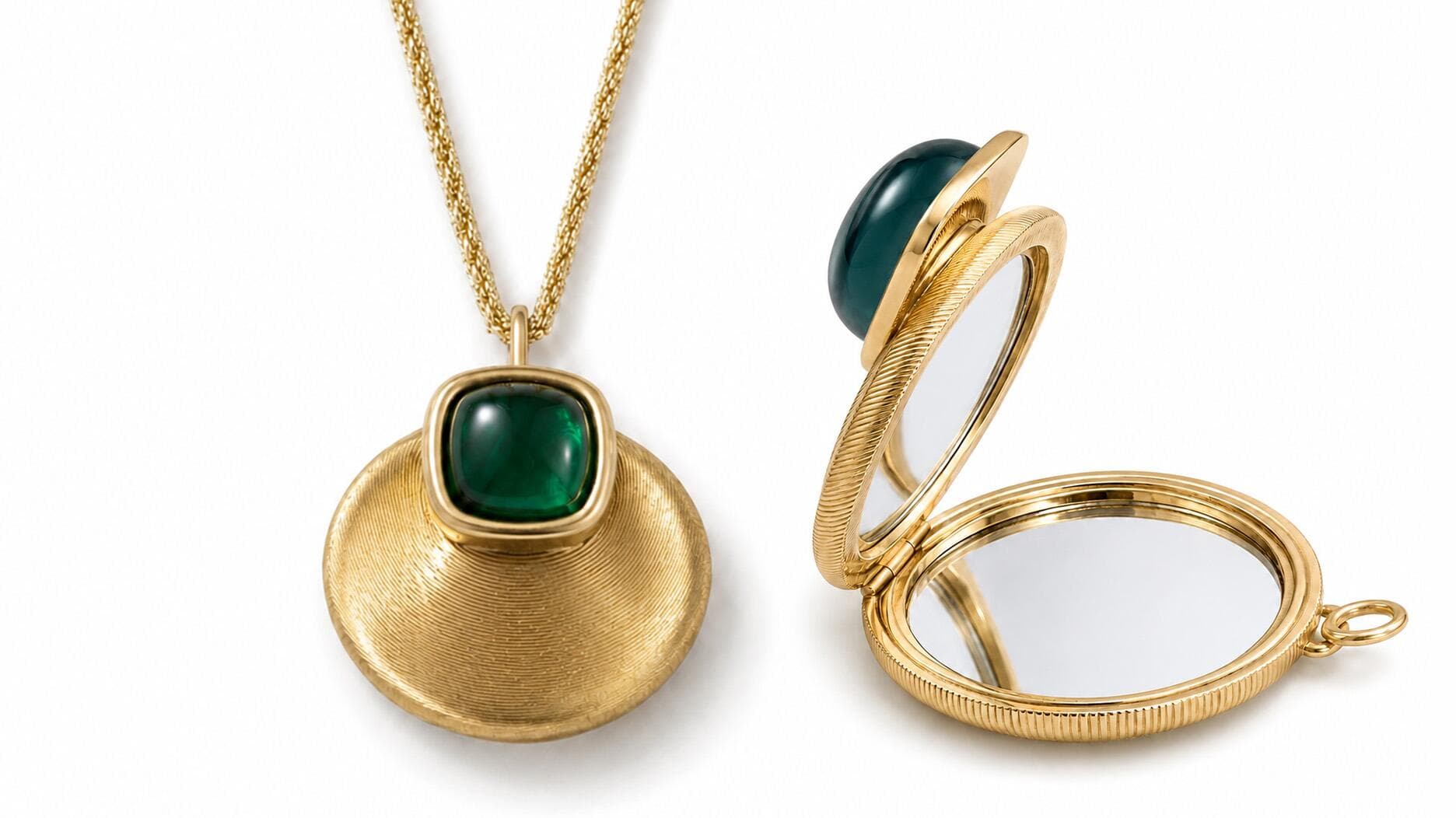
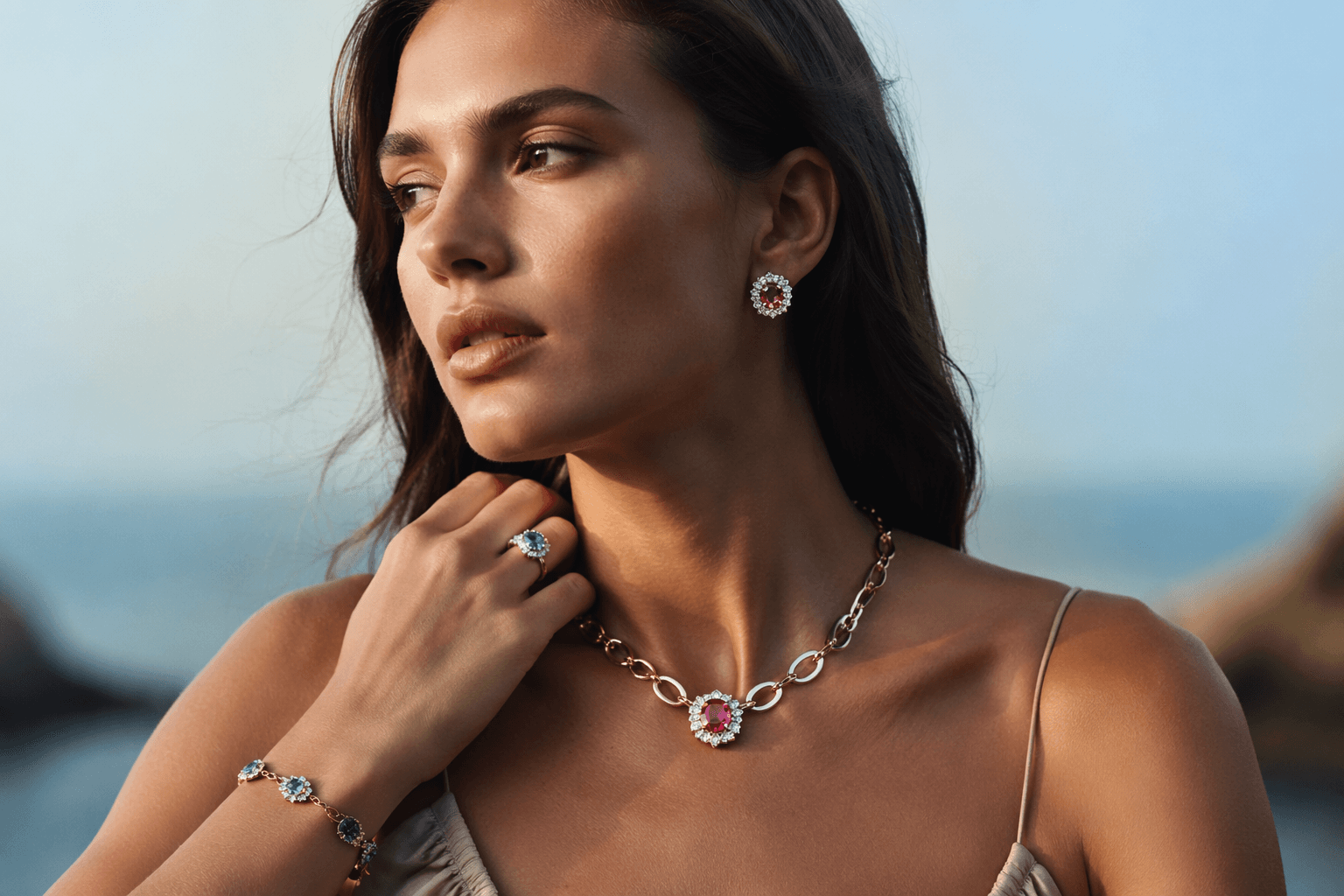
June birthstones map your style: pearl, alexandrite and moonstone
June’s three stones each solve a different style need: pearl for milestone gifts, alexandrite for collectors, moonstone for expressive, lower-cost sparkle.
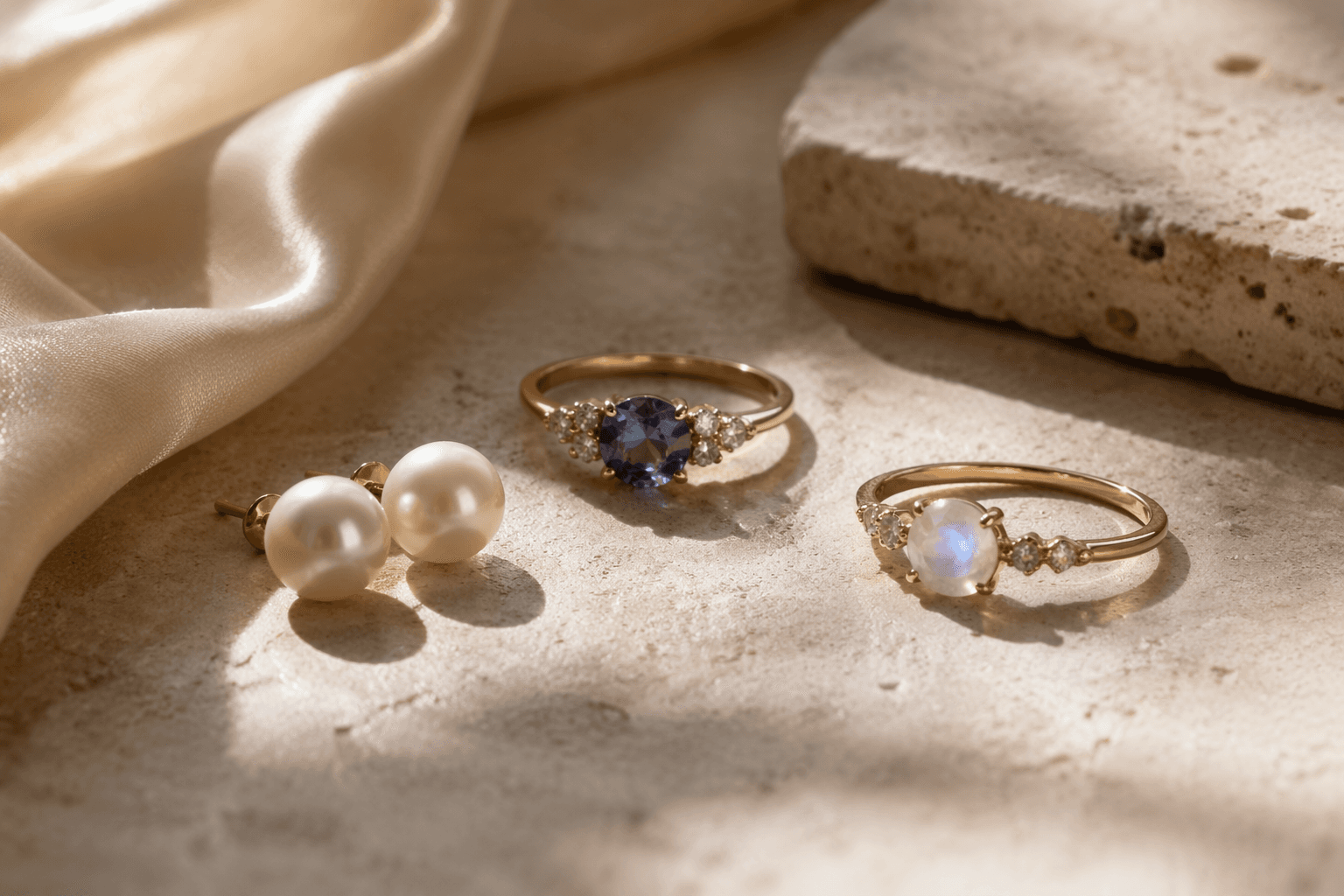
June is one of only three months with three birthstones, and that makes the category feel less like a rulebook and more like a choice. Pearl, alexandrite and moonstone sit inside a birthstone tradition standardized in 1912, yet the strongest way to read them now is as three different style languages, each with its own price, wearability and story.
The June birthstone story
Birthstones still work because they are personal and legible at a glance. GIA says they appeal across gender, age, nationality and religion, while the American Gem Society notes that June’s trio spans a spectrum of price points and color options, which is exactly why the month can serve both gift buyers and self-buyers so well. The modern question is not which June stone is correct, but which one matches the life you are marking.
Pearl for the classic explorer
Pearl is the traditional June birthstone, and it remains the most emotionally resonant because it is organic, formed inside the tissue of a living mollusk. GIA calls pearl the only birthstone created by a living organism, which is why it reads so naturally for milestone gifting, especially weddings, graduations and anniversaries. In design terms, the value conversation is all about size, shape, color, luster, surface quality, nacre quality and, for multi-pearl pieces, matching.
Pearls are beautiful, but they are not low-maintenance. GIA places them at about 2.5 to 3.0 on the Mohs scale, so they should be stored separately, kept away from perfume, hairspray and other harsh chemicals, wiped clean after wear and, in the case of necklaces, restrung when the silk begins to darken or wear thin. If provenance matters to you, ask whether the piece uses natural or cultured pearls and whether it comes with a GIA Pearl Identification or Cultured Pearl Classification report, since those documents can identify the mollusk, the environment and any detectable treatments.
Alexandrite for the collector
Alexandrite is June’s conversation piece. GIA traces its discovery to Russia’s Ural Mountains in 1830, and the gem was named for the future Alexander II, which gives it a very specific imperial backstory to go with its dramatic color change. In daylight or fluorescent light it can read green; under incandescent light it shifts toward brownish or purplish red. Swedish mineralogist Nils Adolf Erik Nordenskiöld is part of that early naming history, which only adds to the stone’s collector appeal.
This is the June stone for rarity and conversation value. GIA says fine material is exceptionally rare and valuable, most fashioned stones weigh less than one carat, and sizes above 5 carats become very expensive. It is also one of the more durable June options, ranking 8.5 on the Mohs scale and staying stable under normal wear, with warm soapy water usually enough for cleaning and ultrasonic or steam cleaning generally safe unless the stone has been fracture-filled.
If you are buying alexandrite, a lab report is not optional theater. GIA’s Colored Stone Identification & Origin Report can say whether a stone is natural or laboratory-grown, note detectable treatments and, when possible, provide geographic origin. That kind of paper trail matters because alexandrite is exactly the gem where a vague “rare” claim can hide a synthetic or misrepresented stone.
Moonstone for the dreamer
Moonstone is the June birthstone that feels most current on the body. Its glow is called adularescence, a floating light effect that seems to billow across the surface, and that soft, luminous look is why moonstone reads as the trend-driven choice in the trio. It is also the most approachable entry point for many buyers: loose moonstones are widely available at low prices, with examples starting around $15, which makes the stone easy to buy for self-gifting or a lighter-budget present.
The trade-off is durability. GIA rates moonstone at 6 to 6.5 on the Mohs scale and says it has poor toughness and two cleavage directions, so it is better suited to pendants, earrings and pins than to rings that take daily knocks. Warm soapy water is the safest cleaning method, while ultrasonic and steam cleaners should be avoided, along with high heat and sudden temperature changes.
How to choose the stone that fits your life
If your priority is rarity and conversation value, alexandrite is the clear collector’s pick, especially when it comes with a report that confirms origin and treatment status. If you are choosing a piece for a wedding, graduation or anniversary, pearl carries the strongest heirloom language and the clearest emotional shorthand. If you want a stone that looks expressive and modern without pushing the budget into serious luxury territory, moonstone gives you the most luminous return for the least friction.
That is June’s advantage: one month, three distinct identities. Pearl brings grace, alexandrite brings intrigue and moonstone brings light, which is why birthstone jewelry now reads less like a calendar obligation and more like a wearable statement of memory, taste and self.
This article was produced by Prism’s automated news system from verified source data, official records, and press releases, then run through automated quality and moderation checks before publishing. The system is built and supervised by the people who set the standards it runs under. Read our full AI policy.
Did this article answer your question?