November birthstones, topaz and citrine, offer warmth and value
Topaz feels tailored when color matters most, while citrine wins when warmth, wearability, and budget need to align in one gift.
Two November stones, two very different gift moods
November is one of the rare months with a genuine choice, and that is exactly what makes the category interesting. Topaz and citrine are both warm, flattering, and often affordably priced, but they do not speak the same style language. Topaz offers a wider emotional register, with colors that can feel tailored to a recipient’s wardrobe or personality; citrine answers with golden warmth, easy wear, and a price point that makes the gesture feel generous without becoming precious in the wrong way.
That flexibility is not an accident. The modern U.S. birthstone list was standardized in 1912 by the National Association of Jewelers, and citrine was added to November in 1952 by the Jewelry Industry Council of America. Since then, November has belonged to both stones, which means the smartest gift is not the “right” birthstone in a rigid sense, but the one that best fits the person wearing it.
Why topaz feels more personal
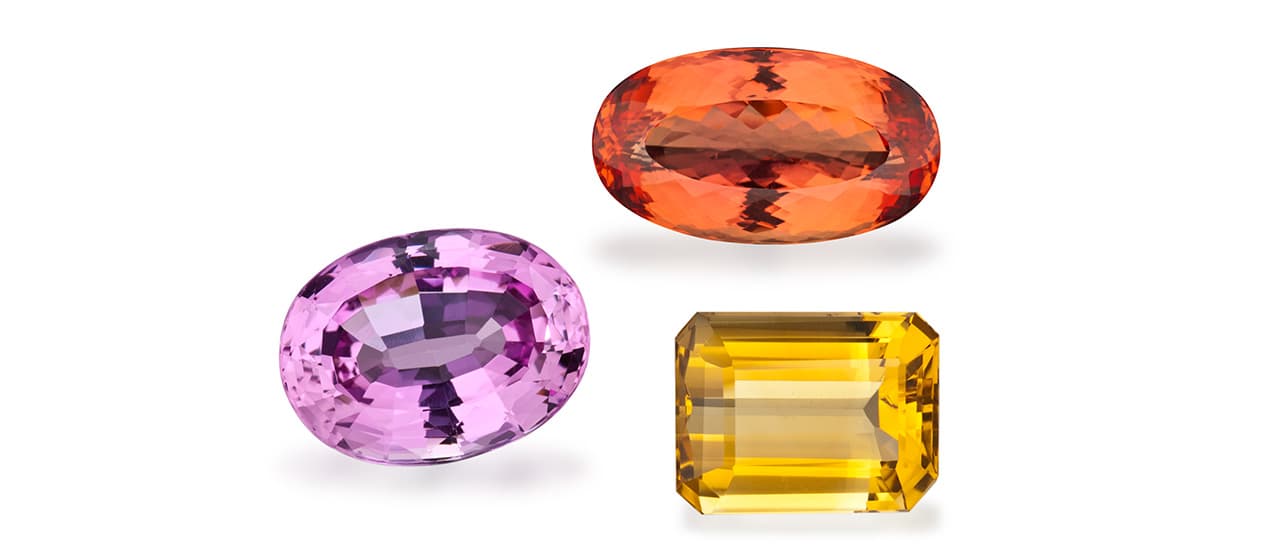
If the goal is a gift that feels considered, topaz has the edge. Its color range is unusually broad for a birthstone, spanning blue, green, yellow, orange, red, pink, purple, and brown. That variety lets the stone do something many gems cannot: mirror a person’s taste instead of simply signaling a month.
Topaz also has the kind of history that gives a gift weight. Its name may come from the Sanskrit word tapas, meaning fire, or from the Greek topazos. Ancient Greeks believed topaz could give strength, and imperial topaz acquired its name in nineteenth-century Russia, where pink topaz from the Ural Mountains was associated with the czar. In other words, topaz has long carried a sense of character and status, even before it was a November birthstone.
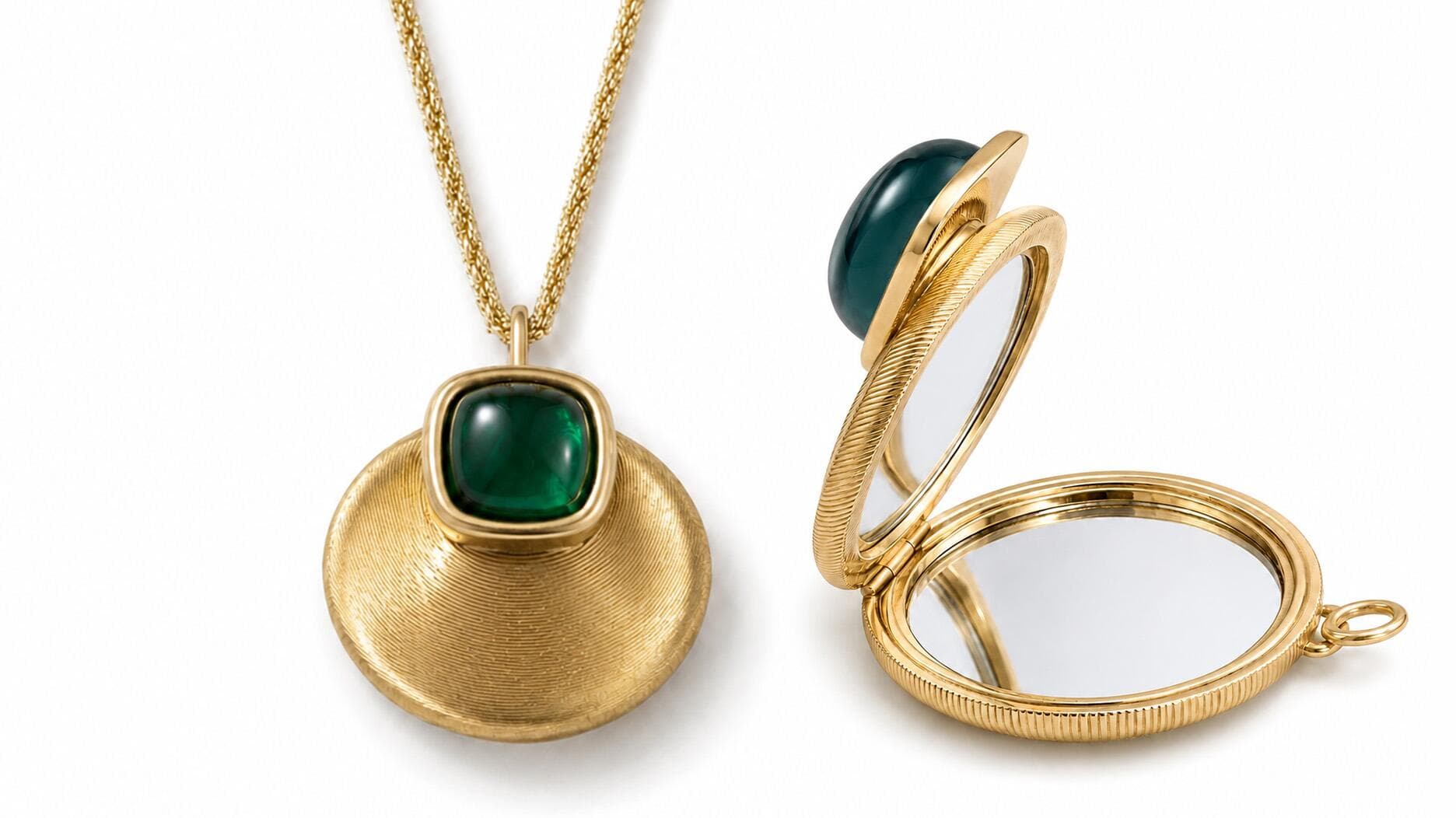
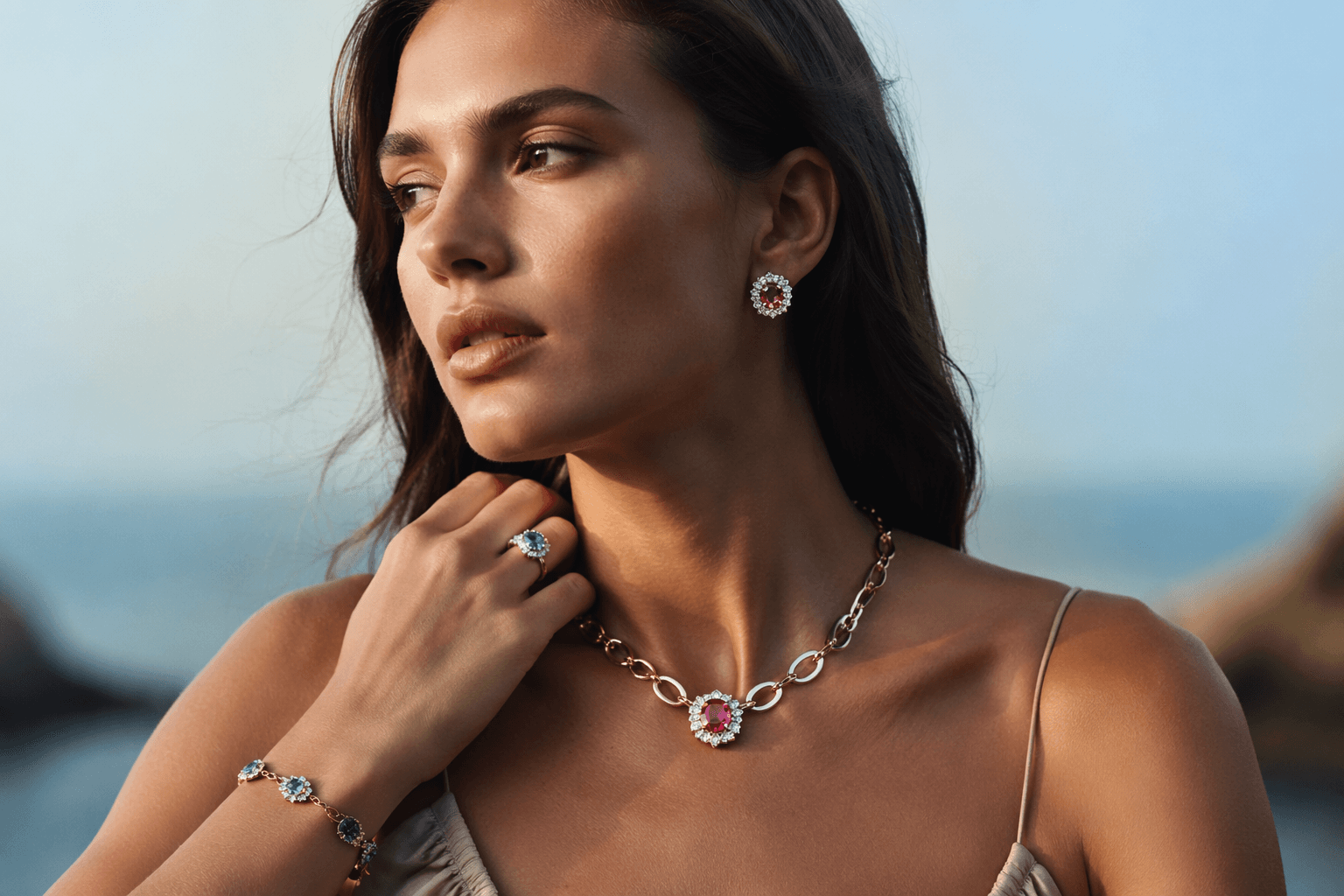
For jewelry, that range makes topaz especially strong in pendants and rings. A pendant can frame a singular color beautifully, whether that is sky blue or a deeper golden tone. Rings benefit from the stone’s clarity and scale, particularly when the design uses a bezel setting for a cleaner, more contemporary line or prongs when the intent is to let the gem catch maximum light. If the recipient tends to wear one signature color, topaz can feel almost custom.
When citrine is the smarter wearable gift
Citrine is the more immediate crowd-pleaser. It reads as sunlit, polished, and easy to wear, especially if the person gravitates toward gold jewelry, camel knits, ivory shirts, or other warm neutrals. GIA describes citrine as the top-selling yellow-to-orange gem, and the shade most favored in the market is an earthy, deep brownish or reddish orange. That is the sweet spot for a gift: rich enough to feel distinctive, soft enough to live in a jewelry box for years.
Citrine is also a variety of quartz and is rare in nature, which surprises many buyers because it often feels accessible in the market. That accessibility is part of its appeal. AGTA describes citrine as relatively plentiful and notes how often modern designers set it in yellow gold, a pairing that flatters the stone’s honeyed undertone and keeps the look cohesive rather than flashy.
For gifting, citrine makes the most sense when you want the jewel to be worn often, not saved. Small studs in yellow gold are especially compelling for daily use, because they give the face warmth without overpowering it. A simple pendant is another elegant choice, especially when the stone is cut to show color rather than size. In a ring, citrine can read beautifully in a low-profile setting that feels practical and unfussy, the sort of piece that slips easily into an everyday stack.
How to choose by style, budget, and format
The clearest way to decide between the two is to think less about month and more about the person. Topaz is the better choice when the recipient likes specificity, unusual color, or jewelry that feels a touch more individual. Citrine is the better choice when you want warmth, value, and a piece that can move through daily life without asking for ceremony.
A few simple cues help narrow it down:
- Choose topaz if the wearer loves color, collects stones, or tends to dress with a deliberate palette.
- Choose citrine if the wearer favors golden tones, easy layering, and jewelry that feels relaxed rather than formal.
- Choose a pendant if you want the gemstone itself to be the focus.
- Choose a ring if the piece should feel more personal and present, something seen often and worn close.
- Choose studs if the goal is the most practical gift, especially for someone who prefers subtle jewelry with daily range.
Budget matters, too, but not in a reductive way. GIA notes that most topaz and citrine birthstones are affordably priced, which makes both unusually accessible compared with many precious gems. The difference is tonal rather than dramatic: topaz can feel more bespoke, while citrine feels more instantly wearable. That makes citrine especially strong as a gift when you want polish and warmth without stretching into luxury pricing.
What to know about treatment and color
Topaz’s market reality is worth understanding before buying. Most blue topaz sold today is colorless topaz that has been permanently treated by irradiation and heating. That treatment is common, stable, and widely accepted in the trade, but it also means blue topaz should be chosen for its look, not for a fantasy of untouched natural color.
Mystic Topaz is even more obviously a product of human intervention. Its rainbow effect comes from a thin artificial coating, which gives the stone a prismatic surface sheen rather than a naturally occurring spectrum within the gem. If that effect appeals, fine, but it belongs in the category of design-driven fashion jewelry, not a stone chosen for geological purity.
Citrine also has a history of confusion, though for a different reason. It was long mistaken for topaz before modern gemology separated the two. That old overlap explains why both stones still sit side by side in November, even though their identities are now distinct: one a quartz variety with a sunlit range of yellows and oranges, the other a gemstone with one of the broadest color palettes in the mineral world.
A gift that carries history without feeling old-fashioned
Part of the appeal of November birthstones is that they feel culturally current without losing their lineage. Topaz has been mined in Brazil’s Minas Gerais for more than two centuries, and pink topaz has been produced near Katlang in northwestern Pakistan since 1972. Those places give the stone a real geographic story, not just an ornamental one. Citrine, meanwhile, has become the practical favorite because it brings color, durability, and affordability into one of the year’s easiest-to-wear palettes.
That combination is why November jewelry still works so well as a gift decision. Topaz is the stone for the person who wants something more personal than preset. Citrine is the stone for the person who will actually wear the gift on repeat. Between them, November offers a rare kind of editorial freedom: the chance to choose a jewel not just for a birthday, but for a temperament, a wardrobe, and the life the wearer already leads.
This article was produced by Prism’s automated news system from verified source data, official records, and press releases, then run through automated quality and moderation checks before publishing. The system is built and supervised by the people who set the standards it runs under. Read our full AI policy.
Did this article answer your question?