Platinum shines with opal, sapphire and emerald birthstone gems
Platinum’s strongest case is not flash alone, but structure, especially when it frames opal, sapphire and emerald in high-value settings that can outlast trends.

1. POMPOS JEWELRY CORPORATION’s black opal ring
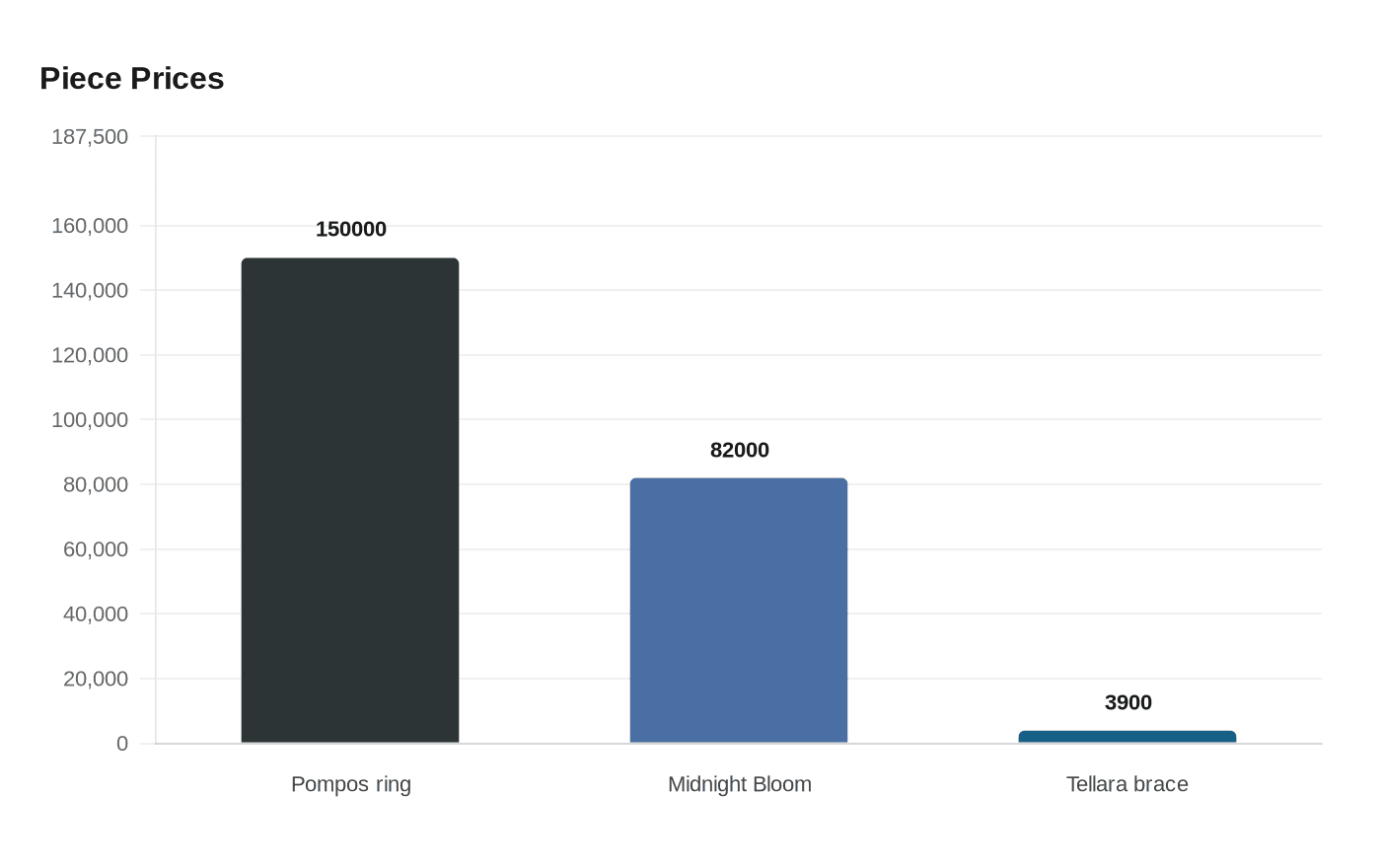
The first-place winner makes the clearest argument for platinum as a materials-value metal. Centered on an 8.83-carat oval-shape cabochon Australian Lightning Ridge black opal, the ring surrounds the stone with 1.53 TCW of round brilliant colorless diamonds, 0.80 TCW of specially calibrated round brilliant sapphires, 0.62 TCW of round emeralds, and 0.44 TCW of round Paraíbas, all for $150,000. Lightning Ridge in New South Wales is widely regarded as the world capital of fine black opal, and that provenance matters here: this is not simply a large opal, but a top-tier example of the October birthstone anchored in one of the most prized sources on earth.
Platinum is doing real work in the design, not just acting as a premium backdrop. Catherine Fitzgibbon praised the ring’s excellent use of color and asymmetrical halo, Mary Murray noted that the opal is perfectly supported and complemented by the Paraíbas, sapphires and emeralds, and John Mead’s reaction, “Oh. My. Gosh.”, captured the electric impact of the blue-and-green palette. This is the kind of birthstone piece where platinum earns its keep: it protects a complex, high-value composition, sharpens the contrast around the opal’s play-of-color, and reinforces the sense that the jewel is collectible, not merely decorative.
2. ASHI COUTURE’s Midnight Bloom necklace
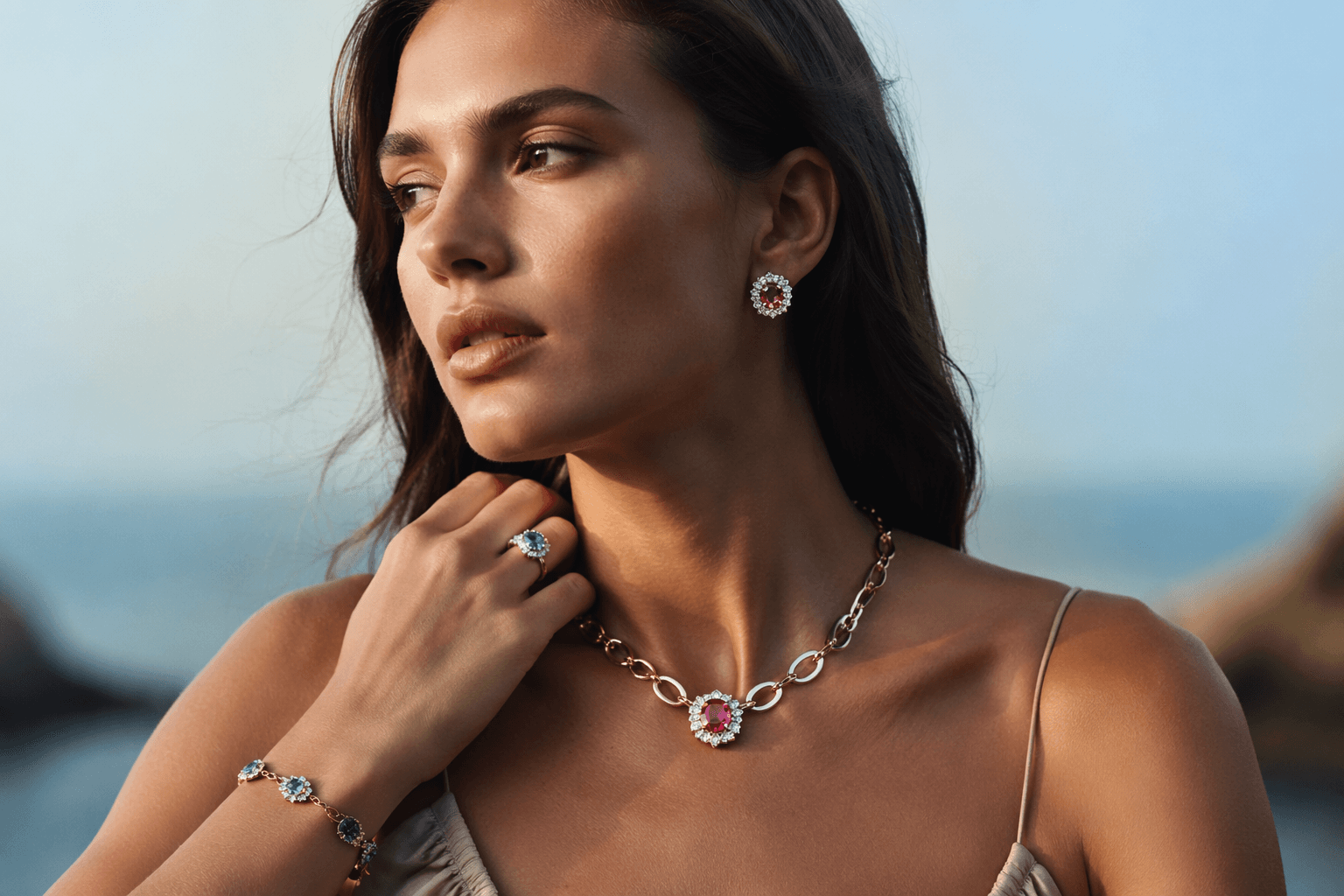
The second-place and Retailer’s Choice winner shifts the conversation from drama to disciplined luxury. Midnight Bloom pairs platinum with 16.0 TCW of fancycut blue sapphires and 12.0 TCW of fancy-shape diamonds, priced at $82,000, and the scale alone explains why platinum makes sense here: the setting needs strength, precision and a metal that can hold a major gemstone lineup without visual clutter. In a competition where colored gemstones were described as hotter than ever, the necklace reads as a polished response to that appetite, one that favors saturated color and substantial carat weight over novelty.
For a birthstone buyer, this is where platinum meaningfully elevates the piece. Sapphire, a classic September birthstone and a gemstone from the corundum family, already has prestige; platinum heightens that authority by giving the stones a crisp, cool frame that feels more heirloom than fashion-jewelry. The result is less about adding price for its own sake and more about ensuring the necklace can carry 28.0 carats of gemstone presence with the structural confidence expected at this level of making.
3. PLATINUM BORN’s Tellara Magnetic bracelet
Third place goes in a different direction, and that contrast is useful. PLATINUM BORN’s Tellara Magnetic bracelet, priced at $3,900, uses faceted platinum beads and satin-finished magnetic accents and closures to convert among bracelet, choker and Y-shape lariat forms, proving that platinum can also matter for engineering rather than gemstone weight. It is the most accessible piece in the group, yet it still speaks fluently in the language of versatility and craft, which is where platinum often justifies itself outside the top tier of gem-heavy jewels.
That difference is the key takeaway for birthstone shoppers. Platinum meaningfully elevates a piece when the design depends on durability, secure setting and a clean visual setting for valuable stones, especially opal, sapphire, emerald and other richly colored gems that benefit from contrast and protection. When the design is lighter, more modular or less stone-driven, platinum may still look luxurious, but it can mainly raise the price without adding the same practical advantage. In a field that drew 229 entries in its 11th edition, and added a new Small Batch Colored Gemstone category for makers with five or fewer employees, the strongest platinum pieces are the ones that treat the metal as part of the jewel’s architecture, not just its label.
This article was produced by Prism’s automated news system from verified source data, official records, and press releases, then run through automated quality and moderation checks before publishing. The system is built and supervised by the people who set the standards it runs under. Read our full AI policy.
Did this article answer your question?