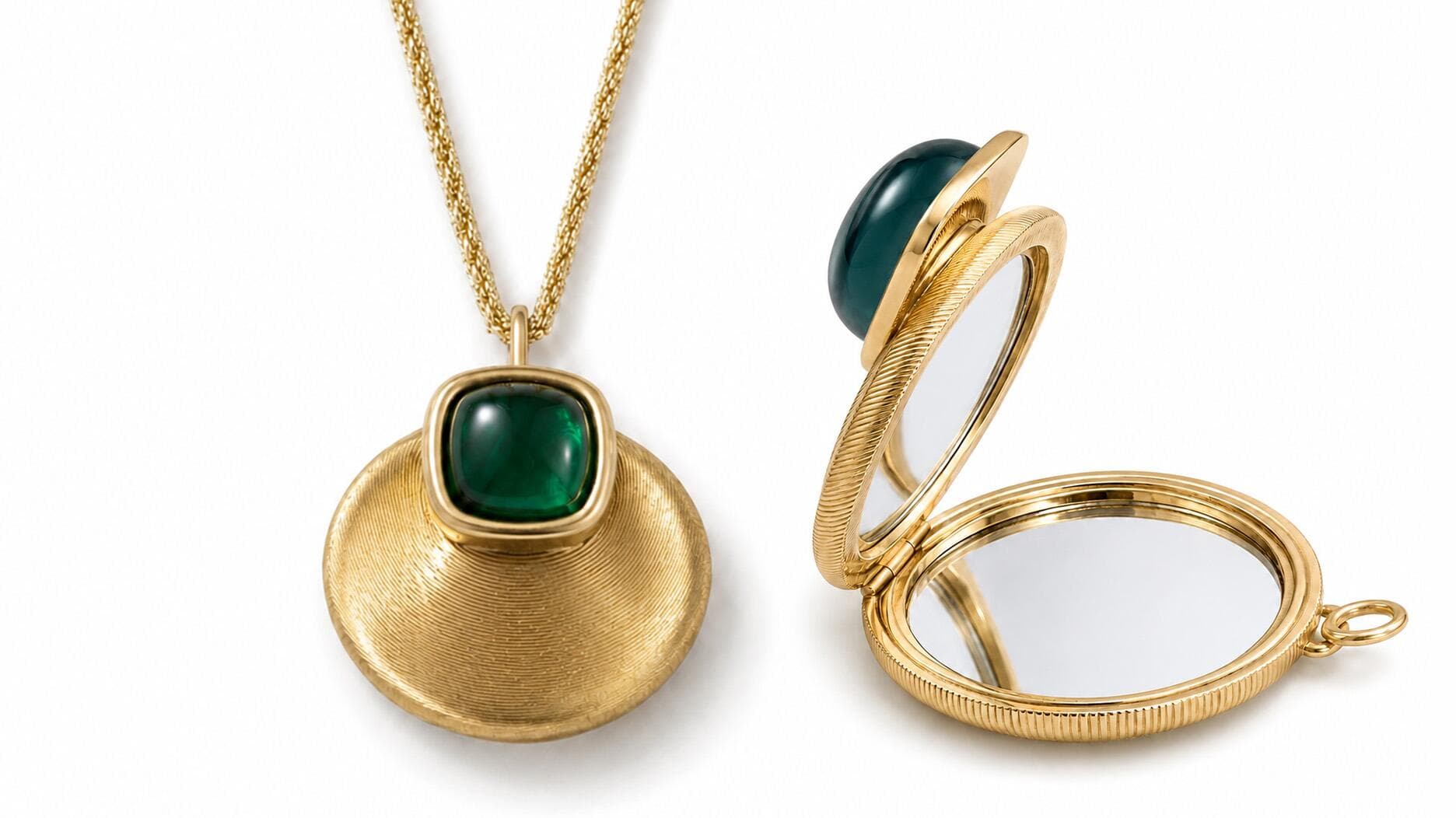
SSEF warns of concealed resin-filled emeralds in the market
SSEF says some emeralds are being refilled after testing, then sold with reports that suggest little or no treatment. The hidden resin can change care, durability, and price.
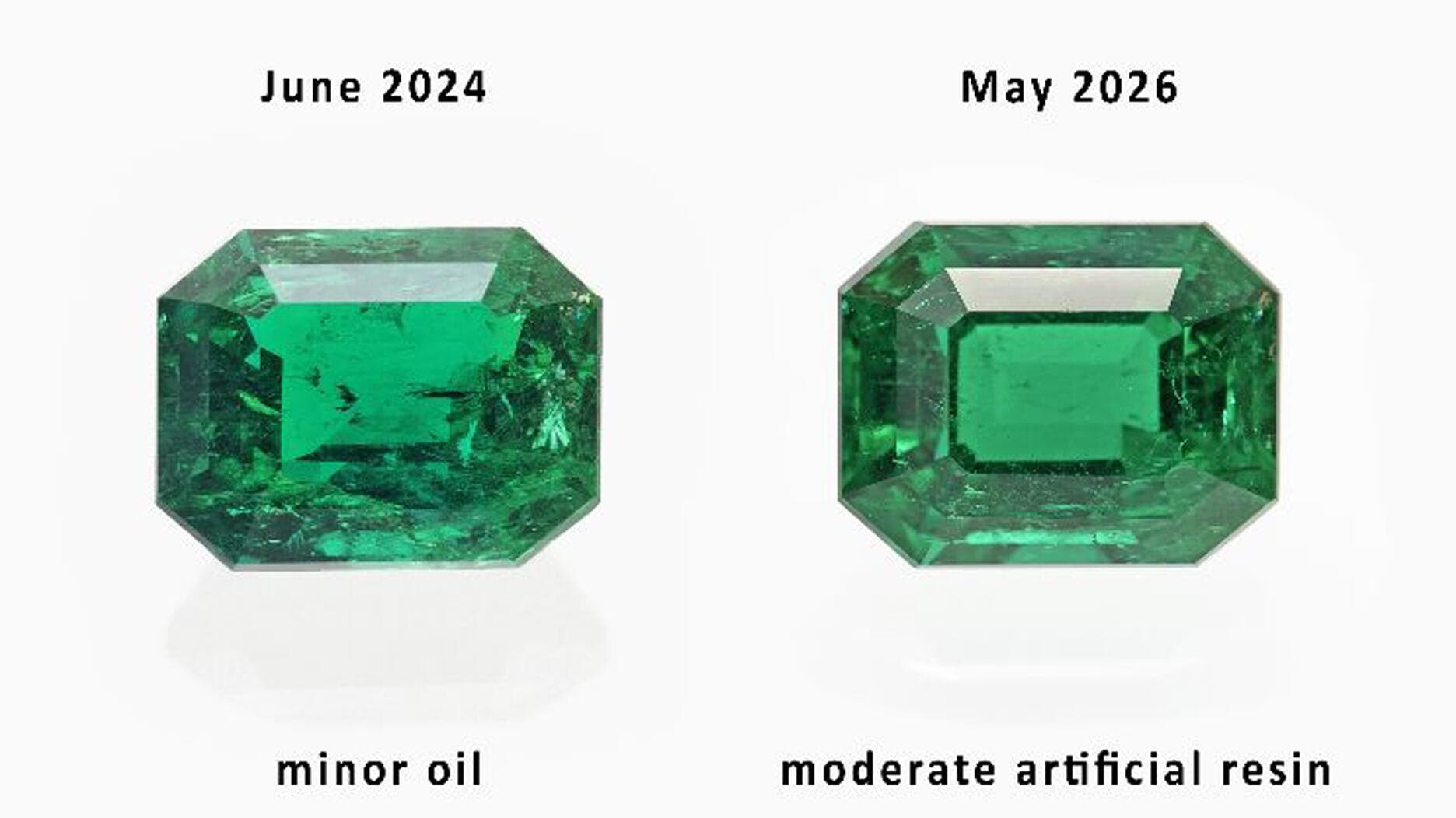
On June 15, 2026, the Swiss Gemmological Institute SSEF warned that emeralds with fresh resin fills were still reaching the market after laboratory testing, then being sold with earlier reports that suggested little or no clarity modification. For buyers of emerald birthstone jewelry, that is not a technical footnote. It can change how a stone wears, how it should be cleaned, and what it is worth.
SSEF said the practice it was seeing was straightforward and deceptive: fissures were filled after the emerald had already been tested, and the stone could then reappear with documentation that no longer reflected its actual state. The lab illustrated the problem with the same emerald photographed in 2024 and again in 2026, saying it had been cleaned and refilled with artificial resin in the meantime. That kind of hidden intervention matters because emerald pricing depends not only on color and origin, but also on how much material has been used to improve clarity.

The fissures themselves are not unusual. SSEF said emeralds commonly have them because of the stone’s geological history, which is why filling has been part of the trade for generations. Colorless fillers have long included oil, wax, and artificial resins. The issue now is disclosure. Under CIBJO rules, SSEF said treatment disclosure is mandatory, and the lab stressed that the filler should be quantified because the amount and type of filler can directly affect price. In the high-end market, SSEF added, there is a current preference for emeralds that contain only oil and no artificial resin, which can tempt sellers to clean out older resin and replace it with oil.
That trade preference has a practical downside for the shopper. SSEF warned that aggressive chemical cleaning of resin-filled emeralds can cause chipping or cracking in pre-existing fissures. A ring or pendant sold as “lightly treated” may therefore require gentler care than a buyer expects, and it may carry a different resale profile once a full treatment history is known. The safest purchase is the one that comes with a laboratory report, a clear statement of any filler used, and written care instructions that match the stone’s actual condition.

SSEF framed emeralds as one of the trade’s enduring gems, revered for millennia and linked to ancient Egypt as well as modern producing countries including Colombia, Zambia, Brazil, Afghanistan, Ethiopia, and Madagascar. That history is part of the stone’s appeal. So is honesty about what has been done to it.
This article was produced by Prism’s automated news system from verified source data, official records, and press releases, then run through automated quality and moderation checks before publishing. The system is built and supervised by the people who set the standards it runs under. Read our full AI policy.
Did this article answer your question?