White metals and platinum gain ground as gold prices climb
As gold climbs, white gold and platinum are giving birthstone jewelry a cooler, sharper luxury language, with value now part of the style story.
White metal is becoming the smarter-looking luxury
When gold is expensive, the frame around a gemstone matters almost as much as the stone itself. A recent National Jeweler style column argues that white metals and platinum are drawing fresh attention because they feel both current and practical, a rare combination in a market where metal choice now shapes the entire value proposition of a birthstone piece.
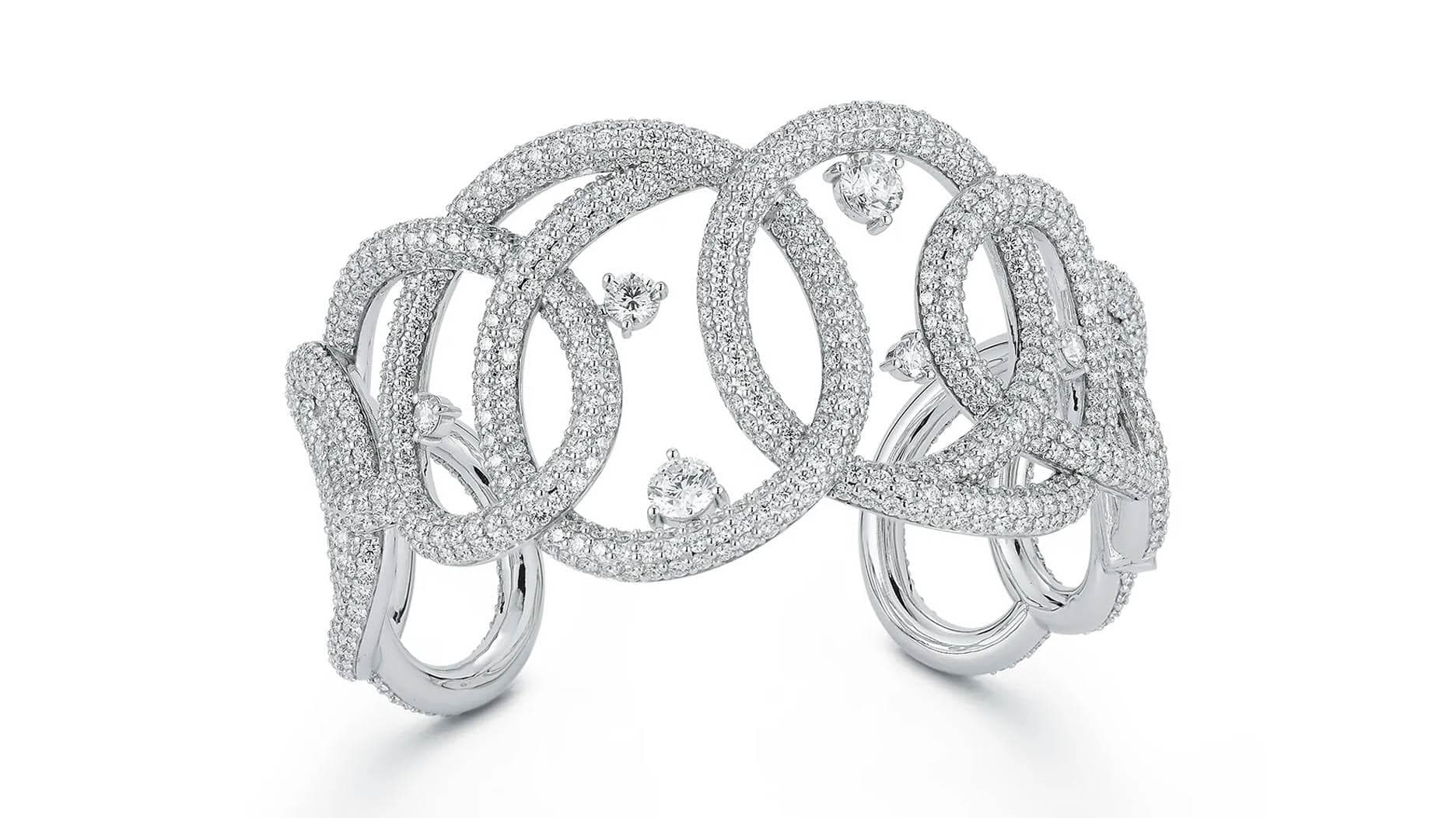
That shift is especially visible in birthstone jewelry, where color does the storytelling and the setting does the editing. Platinum and white gold cool the palette, sharpen outlines, and make the gemstone read with greater contrast, which can make a familiar stone feel newly tailored.
The market pressure behind the style shift
The numbers explain why this is happening now. The World Gold Council said global gold jewelry demand fell 23 percent year over year in the first quarter of 2026 to 299.7 tonnes, the weakest quarter since the second quarter of 2020. Yet spending rose 31 percent to a record US$47 billion, a reminder that high prices can lift value even as they suppress volume.
In the United States, jewelry volumes fell to a record low in the same period, and affordability pressures pushed buyers toward smaller or lighter pieces. That is the central tension for birthstone jewelry today: many shoppers still want a meaningful stone, but they are increasingly sensitive to how much gold surrounds it. The result is a growing appetite for pieces that feel intentional rather than heavy, streamlined rather than overbuilt.
Gold’s strength is still formidable. Total gold demand reached 1,231 tonnes in the first quarter of 2026, and value surged to a record US$193 billion. But the World Gold Council also expects high prices to keep weighing on jewelry demand through 2026, which gives white metals their opening.
Why platinum has the strongest argument
If white gold is the sensible compromise, platinum is the more decisive statement. The World Platinum Investment Council said platinum jewelry demand rose 9 percent year over year in 2025, its best performance since 2018. It also pointed to a price-driven switching opportunity from an estimated 1.7 million-ounce white-gold market, calculating that even a 5 percent move from white gold to platinum would add about 100,000 ounces of annual platinum demand through 2028.
CME Group reaches a similar conclusion from a different angle. It said platinum jewelry demand benefited from platinum’s discount to gold, estimated that global platinum jewelry demand rose 7 percent in 2025 to a seven-year high, and projected a 6 percent contraction in 2026 as demand normalizes and China weakens. Even with that expected pause, the metal’s appeal is clear: platinum reads as modern, durable, and visibly substantial without relying on gold’s price halo.
That matters in birthstone jewelry because platinum gives color a cooler, more architectural edge. It does not merely frame a gem, it clarifies it. In a market where buyers are scrutinizing cost per gram, platinum can also feel like a value decision as much as an aesthetic one.
Which birthstones look strongest in cooler settings
Cooler-toned settings are especially flattering to stones with saturated or translucent color, because the metal allows the gem to stay visually dominant. Sapphire is the obvious beneficiary. In platinum or white gold, a blue sapphire looks deeper and more graphic, while an emerald-cut setting can emphasize its geometry and keep the stone from reading too dark.
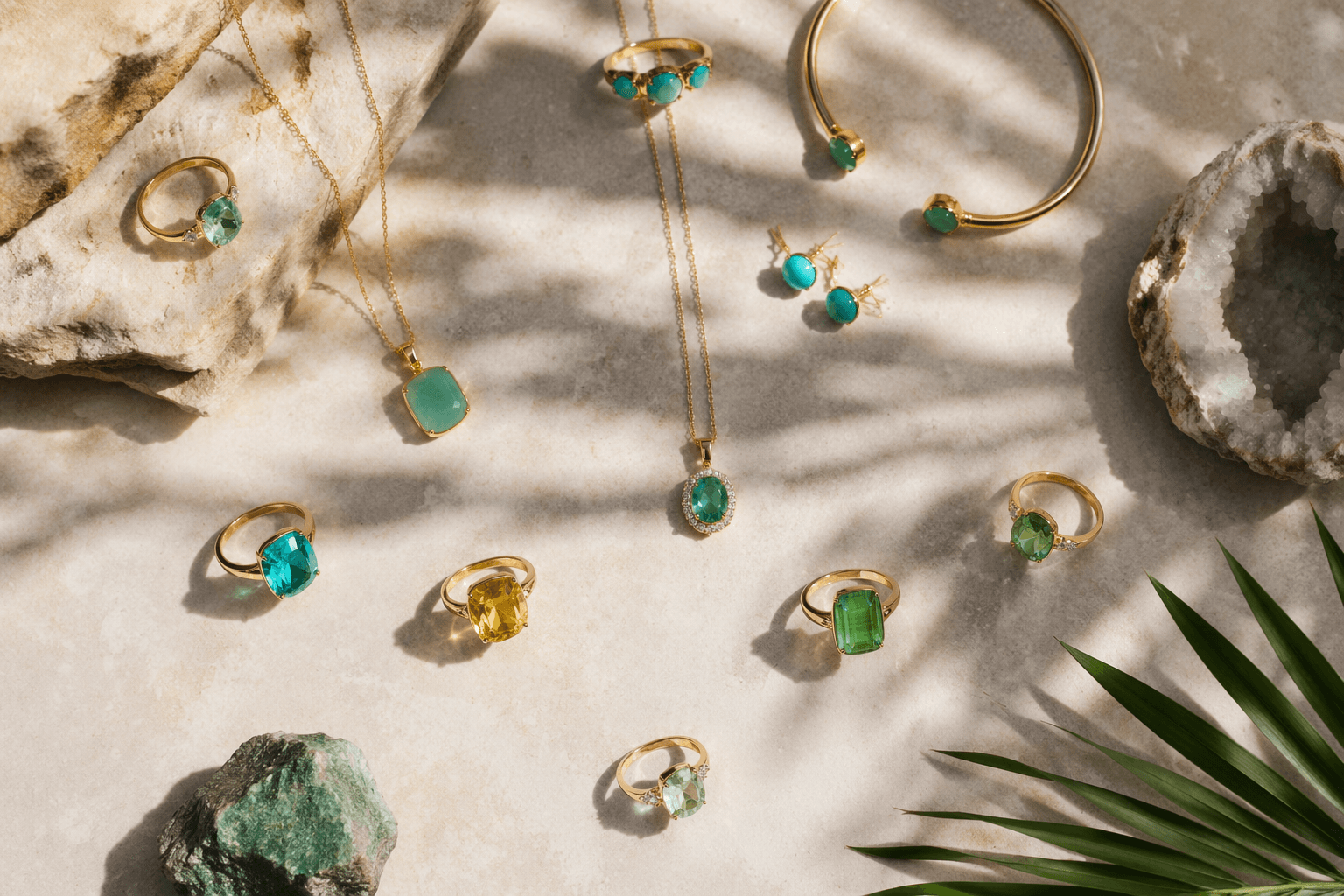
Aquamarine, tanzanite, amethyst, and topaz also gain clarity in white metals. Their lighter or cooler hues echo the setting rather than fighting it, which gives the piece a more contemporary, polished feel. Emerald and ruby are more familiar in yellow gold, but in white metal they can become startlingly fresh, especially when the setting is restrained and the cut is precise.
A few guiding principles make the difference:
- Prong settings let in more light, which is ideal when you want a faceted birthstone to look brighter and larger.
- Bezel settings create a cleaner, more graphic outline, which can make a softer stone feel modern and protected.
- Platinum amplifies the sense of permanence and weight, especially for rings and pendants meant to be worn daily.
- White gold offers the same cool visual effect at a lower entry price, though the choice often comes down to how much substance you want the piece to convey.
Birthstone jewelry, reimagined as a value piece
The American birthstone list dates to 1912, when it was established by the American National Retail Jewelers Association, now Jewelers of America. That long retail history is part of what gives the category its staying power, but tradition does not mean stasis. Birthstone jewelry has always been personal, and today it is also being recalibrated by metal economics.
That recalibration is likely to be part of the conversation on the trade floor as JCK Las Vegas takes place May 29 to June 1, 2026, the largest jewelry event in North America. Retailers and suppliers are confronting the same consumer reality: when gold is expensive, the most persuasive birthstone piece may be the one that uses less of it and says more with the stone.
In the end, the rise of white metals and platinum is not a retreat from luxury. It is a more disciplined version of it, where color, craftsmanship, and metal work together to make a birthstone feel cleaner, sharper, and often more valuable than a heavier yellow-gold frame ever could.
This article was produced by Prism’s automated news system from verified source data, official records, and press releases, then run through automated quality and moderation checks before publishing. The system is built and supervised by the people who set the standards it runs under. Read our full AI policy.
Know something we missed? Have a correction or additional information?
Submit a Tip