White metals or gold, how birthstone jewelry changes with metal choice
The same birthstone can look cooler, warmer, or more costly depending on the metal. Silver lowers the barrier, while platinum boosts durability and price.
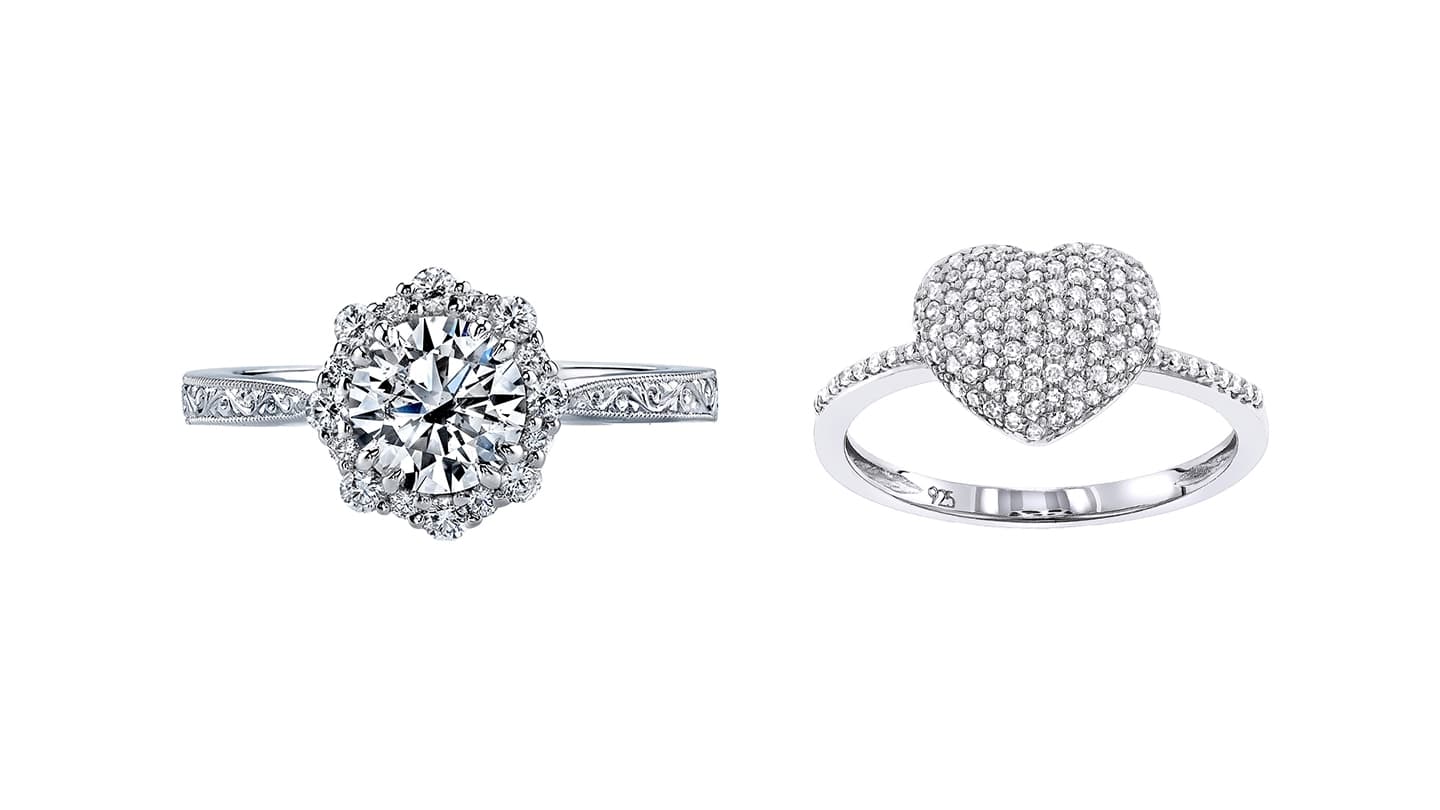
A sapphire ring can look brighter in white gold than in yellow gold. Silver, white gold, platinum, and yellow gold all alter color, price, and longevity, so the right setting depends on whether you want a brighter sapphire, a warmer garnet, or a piece built for everyday wear.
Why the setting changes the stone
White gold and silver can look similar in a case yet serve very different buyers. Silver is the more affordable, accessible choice, and GIA category coverage shows strong silver sales. White gold reads as more formal and more durable for fine jewelry, while platinum sits at the premium end of the white-metal spectrum and is often chosen when the goal is heirloom-level craftsmanship.
The metal does not simply hold the gem in place. It changes how your eye reads the color, how much the setting adds to the bill, and how well the piece stands up to repeated wear, resizing, and refinishing.
White metals: the cool, crisp route
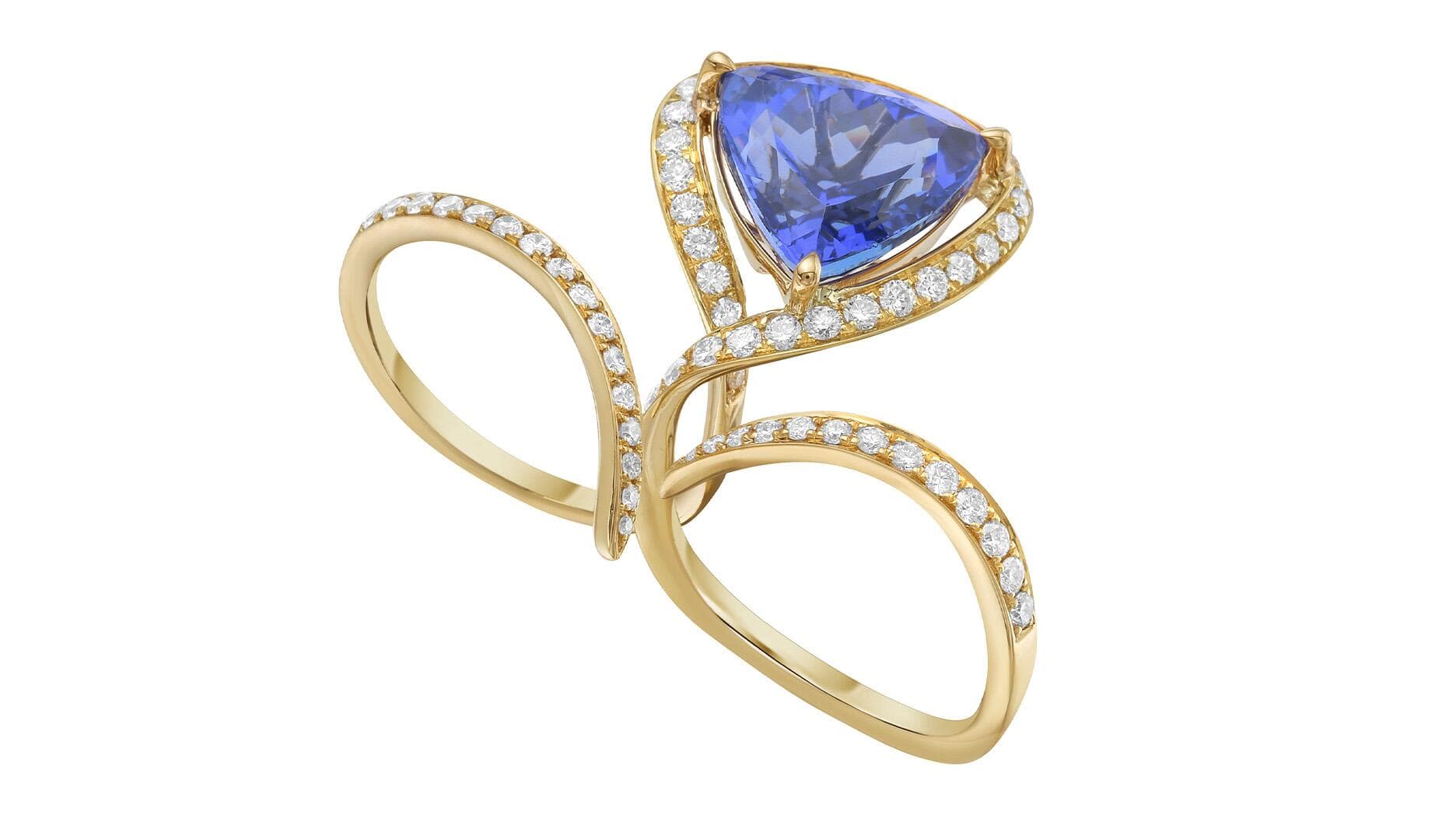
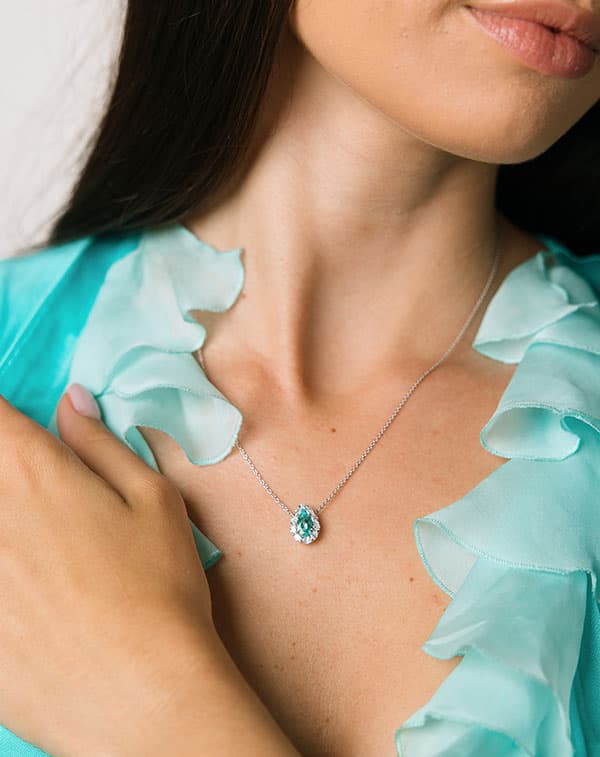
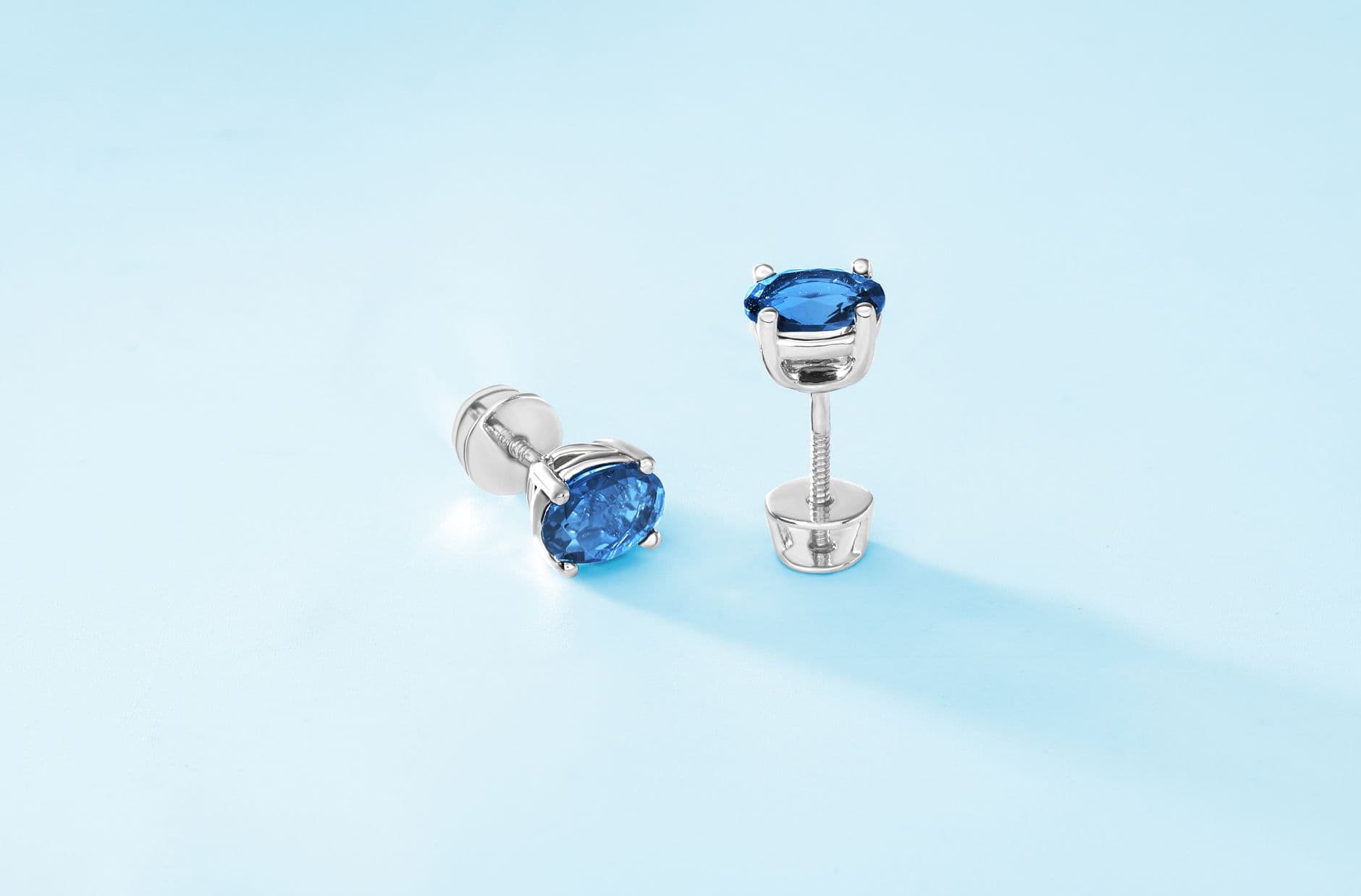
White metals work best when the birthstone already lives in a cool register. Sapphire, aquamarine, tanzanite, amethyst, and moonstone all tend to look cleaner and more modern when set in white gold or platinum, because the metal does not pull the color toward warmth. In rings and studs, where the metal sits close to the face of the stone, that effect can make the gem read brighter and more defined.
Silver belongs in this family too, but for a different buyer. It is the more accessible entry point, which makes it useful when the budget has to come first, and it still delivers the pale backdrop that cool-toned stones like. White gold and platinum, by contrast, bring more of the formal fine-jewelry look and are better suited to pieces you expect to wear often or keep for the long term.
Yellow gold: the warm backdrop
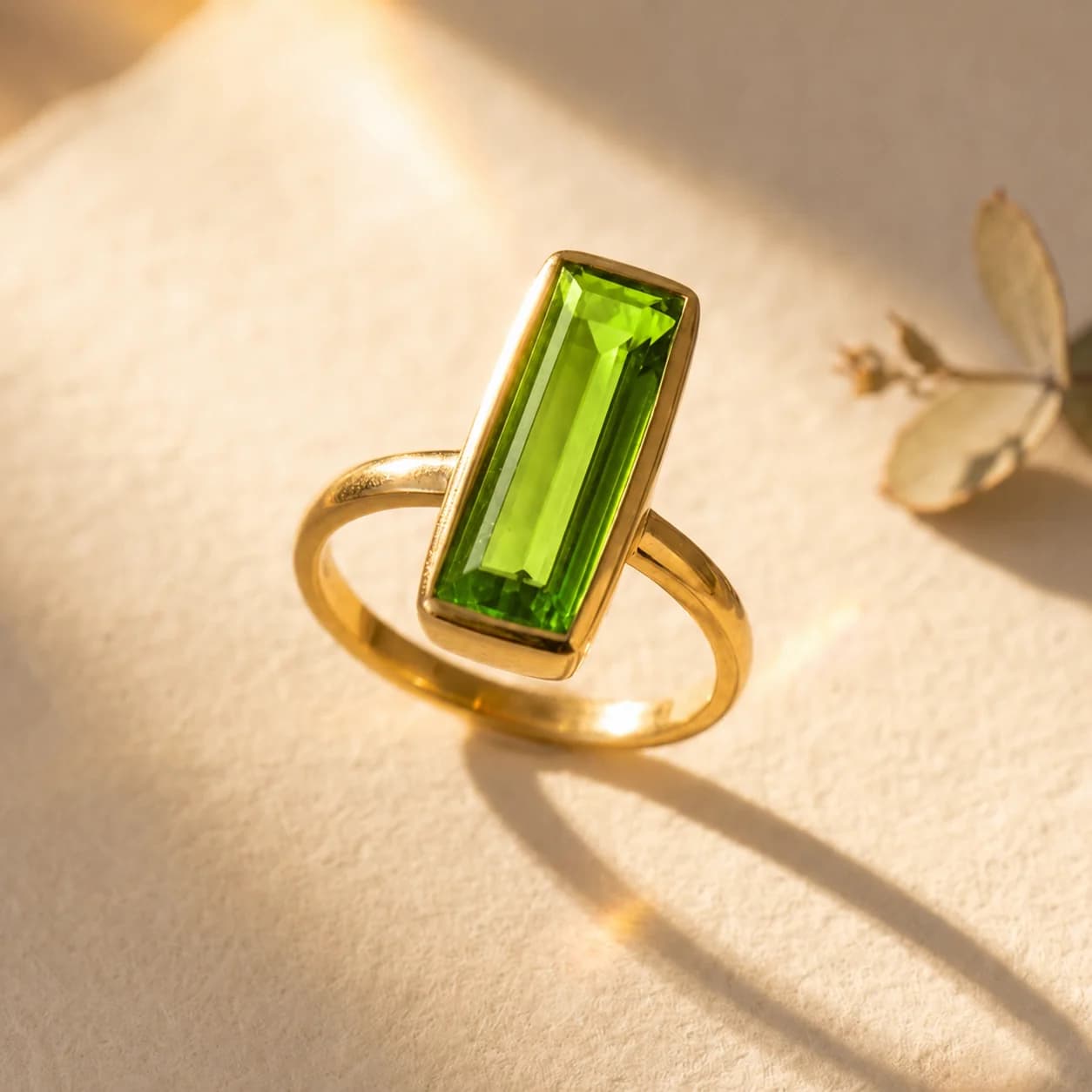
Yellow gold does its best work with birthstones that already lean warm or earthy. Garnet, citrine, topaz, peridot, and turquoise are the clearest examples, because the gold deepens the gem color instead of fighting it. The result can feel richer and more vintage, especially when the stone is saturated enough to hold its own against the metal.
A yellow-gold setting can make a modest stone look intentional and finished, not merely colorful. If the look you want is classic rather than icy, yellow gold often gives the strongest framing without needing a very large center stone or heavy accent work.
Rose gold for pink and wine tones
Rose gold is the most nuanced choice of the three warmer metals. It is especially flattering for pinkish or wine-toned stones, including some garnets and certain topaz colors, because it extends the warmth of the gem rather than creating a hard contrast. That makes it a strong option when you want the metal to disappear into the color story instead of standing apart from it.
A rose-gold setting softens the edges of a stone that might look sharper in white metal, and it can make a smaller gem feel more luminous without increasing size. For buyers who want something less traditional than yellow gold but less clinical than white metal, rose gold often lands in the middle.
Matching common birthstones to the right metal
If the stone is sapphire, aquamarine, tanzanite, amethyst, or moonstone, white gold and platinum usually give the cleanest result. The cooler metal keeps the palette crisp, and in everyday pieces like rings and studs it can make the gem look more polished and vivid. Silver can work here too when price matters most, but it is the softer financial choice rather than the most elevated one.
If the stone is garnet, citrine, topaz, peridot, or turquoise, yellow gold is usually the strongest match. It deepens the color and creates a richer frame, which is especially useful for stones with earthy or vintage leanings. Rose gold is the alternative when the birthstone carries pink, red, or wine tones and you want the metal to reinforce that warmth.
How to weigh price against wear
Silver is the budget-friendly white metal, white gold is the polished fine-jewelry option, and platinum sits at the top for prestige and durability. For a piece that will be worn often, the setting has to do more than look good in a box, because repeated use is what exposes thin prongs, weak galleries, and metal that ages poorly.
It is associated with robust construction and the sort of workmanship that is meant to be kept and worn rather than rotated seasonally. White gold can cover much of the same visual territory at a lower tier, while silver keeps the door open for buyers who want the look without the premium.
Buy the metal you think you are buying
Verification matters, especially with pre-owned birthstone jewelry or a custom commission. GIA’s touchstone guidance on karat gold purity includes destructive fire assay and nondestructive X-ray fluorescence, which is a reminder not to trust color alone. If a piece is described as gold, the karat stamp and overall quality should match the claim, particularly when the setting is being sold as an heirloom or investment-style gift.
The American National Association of Jewelers established an official standardized birthstone list in 1912, and modern charts still build on that framework. Birthstones appeal around the world regardless of gender, age, nationality, or religion.
This article was produced by Prism’s automated news system from verified source data, official records, and press releases, then run through automated quality and moderation checks before publishing. The system is built and supervised by the people who set the standards it runs under. Read our full AI policy.
Did this article answer your question?