Why natural pearls remain the most collectible birthstone jewelry
Natural pearls are back in force, and collectors are paying for rarity, provenance, and luster that cultured strands cannot fake.
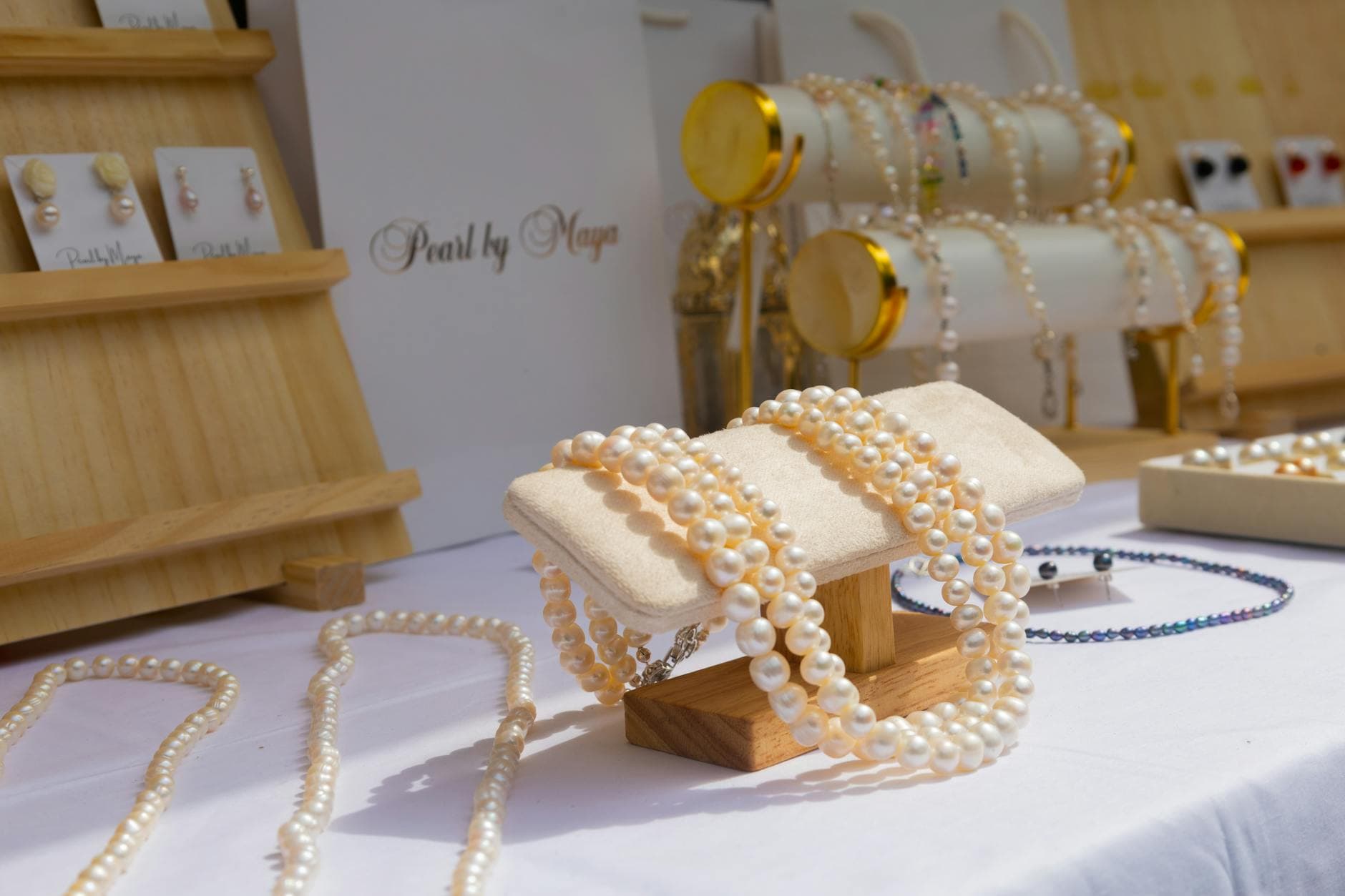
Pearls have slipped back into the fashion conversation with uncommon force, but the real story is not simply that they look current again. The most collectible pearl jewels are being valued for the things that cannot be manufactured on demand: natural origin, extraordinary luster, convincing nacre, and a paper trail that ties a jewel to history.
Why natural pearls command the premium
June has three birthstones, pearl, moonstone, and alexandrite, but pearl carries the deepest market gravity because its best examples are so hard to find. Natural pearls are formed entirely by nature around a microscopic irritant, while cultured pearls begin when tissue or a bead is deliberately inserted and then coated with nacre. That difference matters to collectors because natural pearls appear in only a tiny fraction of mollusks, which makes matched pairs and necklaces especially elusive.
The strongest sales underscore that rarity in hard numbers. A natural pearl and diamond necklace sold in Geneva for USD 3,426,669 after carrying an estimate of USD 800,000 to 1,400,000. That kind of result is not driven by sentiment alone. It reflects a market willing to pay for the combination of scarcity, beauty, and certainty that a truly natural pearl suite can offer.
What makes one pearl jewel exceptional
The best pearl jewels are judged first by appearance, then by structure. Luster is the immediate cue, the crispness and depth of the reflection across the surface, while nacre quality tells you how evenly and richly the pearl has been built. When the nacre is fine and the surface glow is clean, the pearl reads with the kind of presence that separates heirloom material from ordinary accessory pieces.
Matching matters just as much. A pair or necklace made of natural pearls with fine matching color and luster can be described by gem labs as rare and exceptional, because consistency across size, tone, and sheen is difficult to achieve in nature. That is why collectors focus on necklaces and matched sets rather than on isolated beads. A single beautiful pearl is desirable; a coherent strand of them is in another category entirely.
Color can raise the stakes further. White-cream natural pearls with light pink overtones remain especially desirable, while gray, green, pink, and purple natural pearls are drawing more attention from buyers who want something less expected. The appeal is not novelty for its own sake. Fancy-color natural pearls offer a second layer of rarity on top of the already difficult task of finding natural pearls at all.
Provenance is part of the value
Pearls are among the few gems whose cultural history can materially affect their resale case. Christie’s has long noted that pearls have been coveted for centuries by monarchs and society figures, from Henry VIII to Princess Diana, Coco Chanel, and Elizabeth Taylor. That lineage matters because a pearl jewel with a verifiable past can become more than a beautiful object. It becomes a documented artifact of taste.
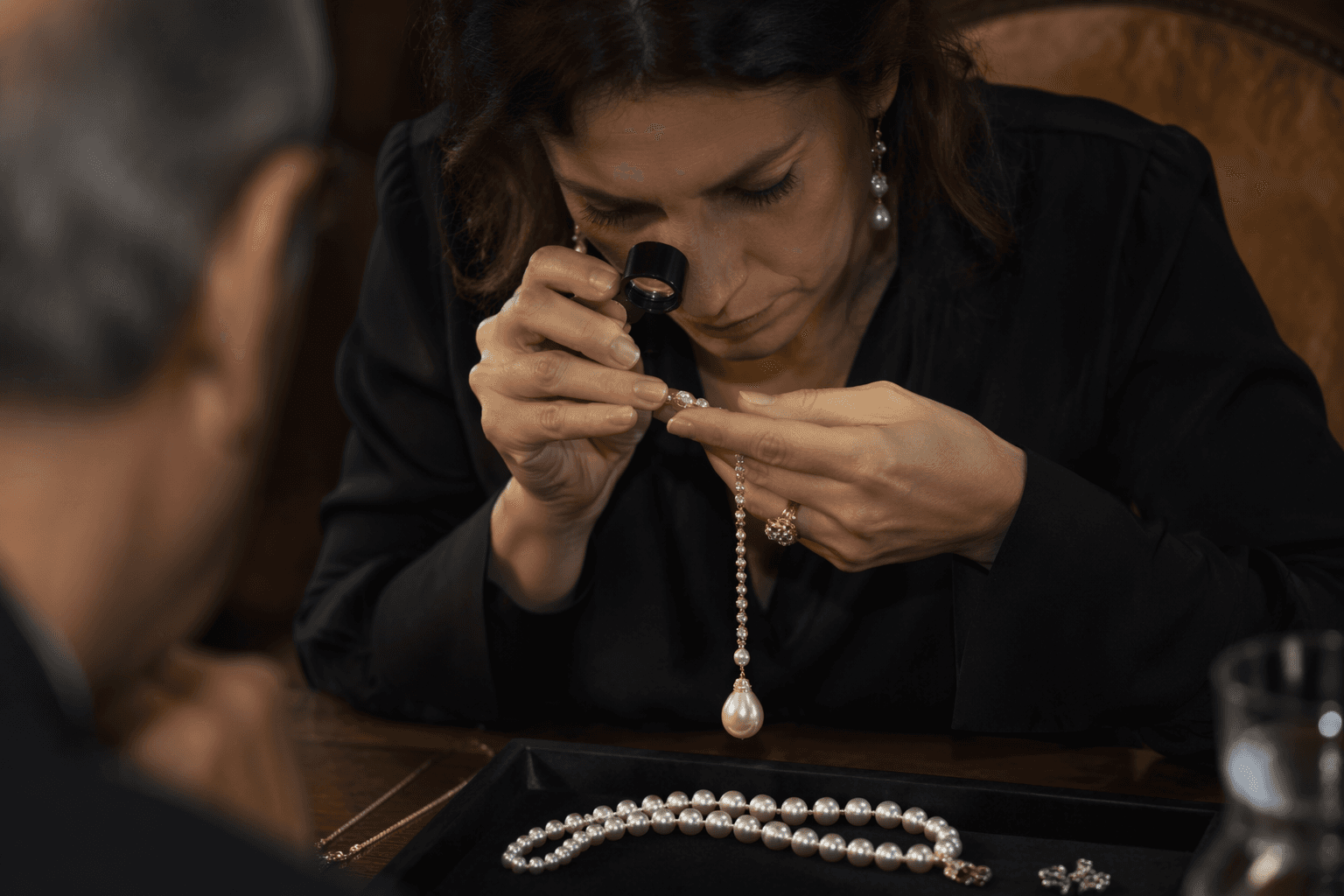
The most famous examples have passed through legendary hands. Pierre Cartier reportedly traded a double-stranded natural pearl necklace and $100 for the Fifth Avenue mansion that became Cartier New York, a transaction that still shapes the mythology around natural pearls and high jewelry. Another reference point comes from Jaipur, where a 1920s natural pearl necklace once owned by Maharani Gayatri Devi adds regal provenance to the appeal of historic pearl jewels.
This is where maker attribution and signed designs become decisive. A pearl jewel from a historic house, especially one that can be traced, authenticated, and signed, carries a stronger resale argument than an unsigned strand of similar visual appeal. Collectors are not only buying beauty; they are buying authorship, and authorship is what often distinguishes a jewel with staying power from one that simply looked right in the moment.
Why the June birthstone moment matters now
Pearl’s renewed fashion presence has made June feel newly relevant. Pearls are back on runways, on red carpets, and in contemporary design, where they no longer read as prim or ceremonial by default. That visibility gives June birthstone shopping a sharper edge, because the most desirable pieces now sit at the intersection of sentiment and style rather than nostalgia alone.
For someone choosing a June gift, GIA’s framing is useful: pearl is one of three June birthstones, alongside moonstone and alexandrite, and that range gives room to shop by mood or budget. Yet pearl remains the most collectable of the three because its investment logic is backed by a much deeper luxury history. The best pearl jewels are not merely pretty representations of a birth month. They are one of the few birthstone categories where scarcity, lineage, and fashion relevance all reinforce one another.
How to read a pearl jewel like a collector
When evaluating pearl jewelry, start with the basics and do not rush past them. Look for natural origin when possible, then assess the quality of the luster, the evenness of the nacre, and the harmony of the match across the piece. A strand that looks balanced in color and glow will generally carry more desirability than one that feels uneven or flat.
- Is the piece natural or cultured?
- Does it have documented provenance?
- Is it associated with a historic house or signed maker?
- Does the color sit in the classic white-cream range, or does it offer a sought-after natural fancy color?
- Does the design preserve the pearls’ integrity, or does it treat them as interchangeable ornament?
Then ask the harder questions.
Those distinctions matter because pearl jewelry is one of the rare categories where a birthstone gift can behave like an investment object without losing its emotional charge. The finest examples hold their value because they combine nature’s accident with human taste, and that combination is still difficult to replicate. In a market crowded with fashionable pearls, natural pearls remain the ones that collectors pursue as future heirlooms.
Know something we missed? Have a correction or additional information?
Submit a Tip