Why opal, moonstone, and alexandrite shine beyond carat weight
These birthstones are judged by movement and light, not size: opal’s play-of-color, moonstone’s adularescence and alexandrite’s color change are the real luxuries.
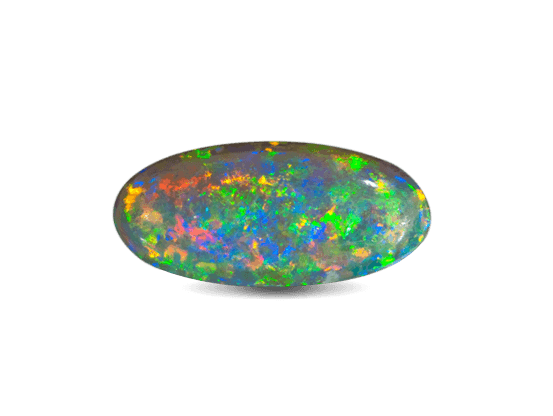
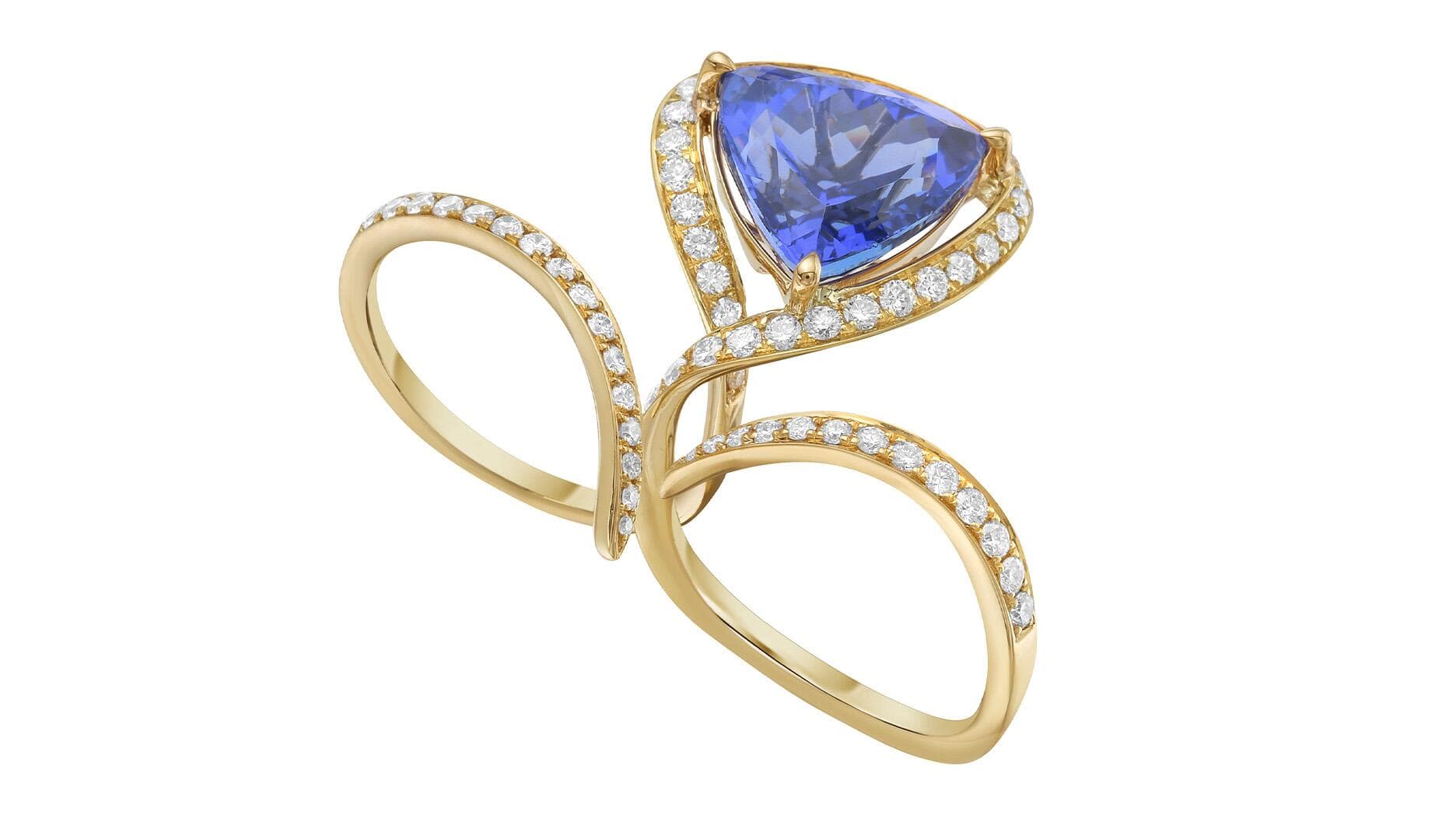
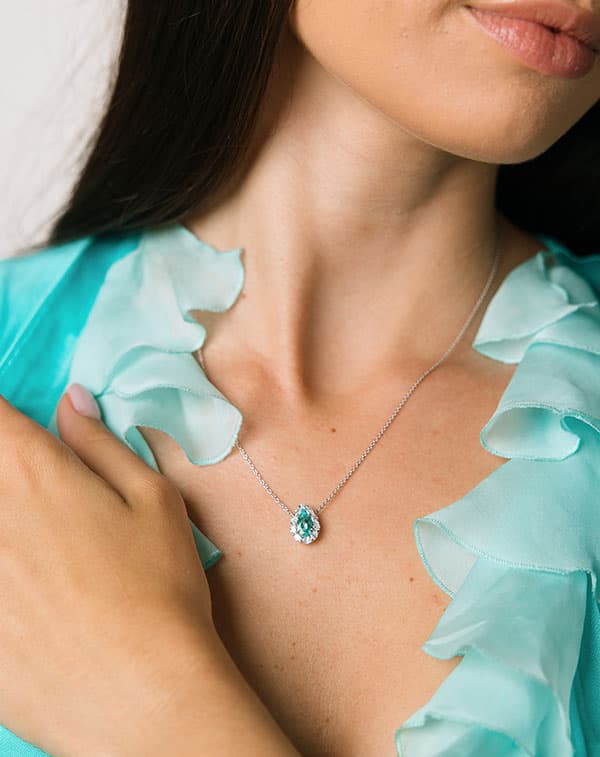
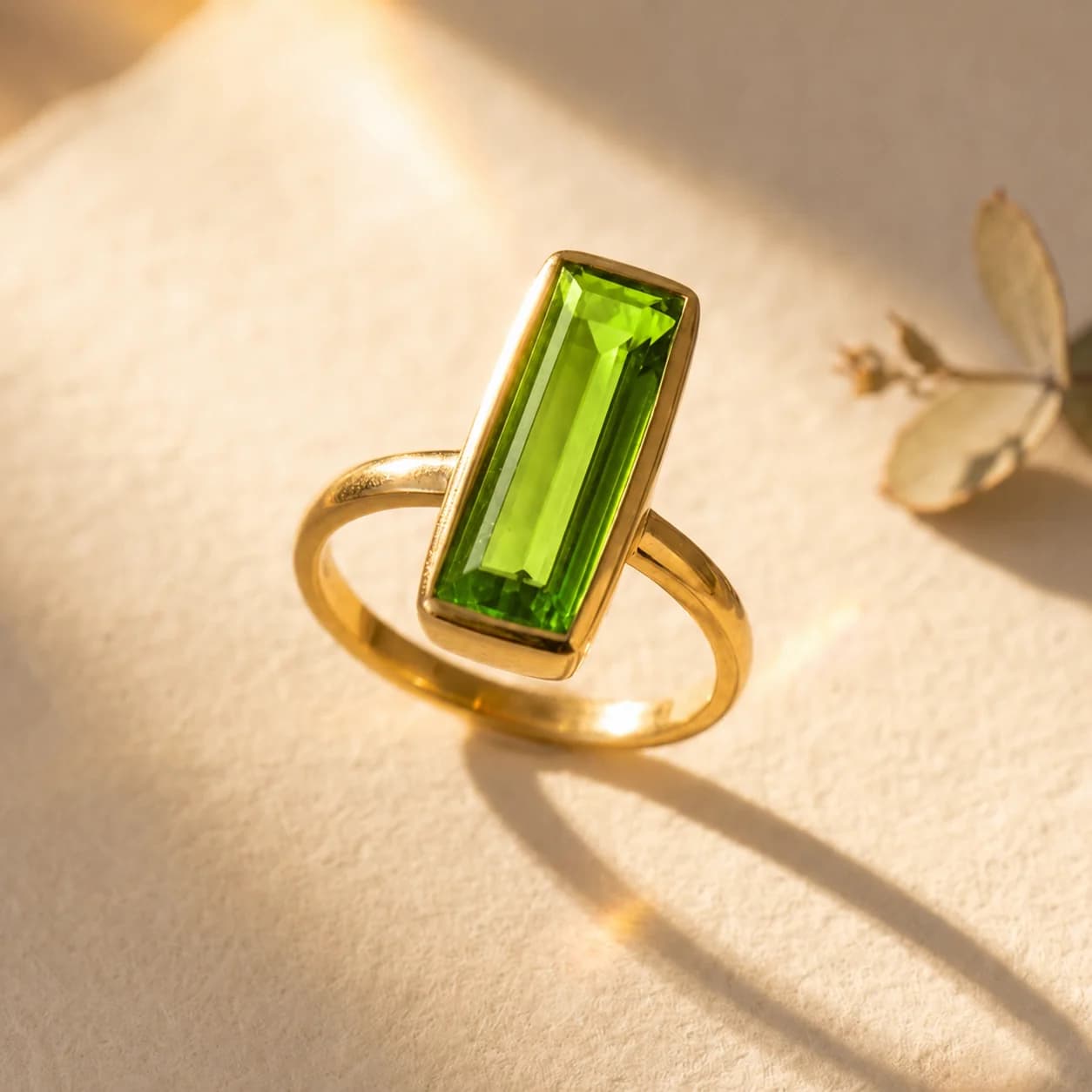
The flash in an opal, the sheen in a moonstone and the shift in an alexandrite matter more than carat weight. Their appeal lives in what happens when they move: the flash of color, the drifting sheen, the shift from one hue to another as the light changes. A smart purchase starts with the eye, not the carat weight, and the best pieces feel alive on the hand, at the throat or at the ear.
What makes these birthstones worth the close look
Opal is one of the clearest examples of a gem whose beauty depends on motion and light. Its shifting play of kaleidoscopic colors is unlike any other gem, and individual opals can vary widely in appearance and quality. That variability is the point: two stones with similar sizes can perform very differently once they are turned in the light.
Moonstone and alexandrite work on the same principle, but with different visual effects. Moonstone is prized for adularescence, the floating sheen that seems to skim across the surface, while alexandrite is the dramatic color-change stone that can read green in daylight and red under incandescent light.
How to judge opal, beyond the case lighting
Opal evaluation starts with the play-of-color, the flashes of multiple hues that move as the stone turns. A good opal should not only have color; it should have brightness, spread and a pattern that keeps the eye traveling across the surface. Industry grading commonly weighs body tone, brilliance, pattern and, in some sources, color bar, with body tone ranging from colorless and white through gray to black.
Opal evaluation should be done under controlled lighting on a dark background. Under harsh white retail lights, an opal can look either dull or falsely vivid. The better test is to ask to see it against a dark cloth or tray, then tilt it slowly to watch whether the color flashes stay crisp and lively or collapse into one flat patch.
That is also where body tone earns its place in the conversation. A light-bodied opal can be luminous and soft, while darker body tone can make the flashes feel more dramatic. Neither is automatically better, but the strength, brightness and spread of the color matter most.
Moonstone’s glow and the setting that lets it breathe
Its value is not in sparkle but in atmosphere, in that centered band of adularescence that should appear to float just below the surface of the stone. In a ring, that sheen should remain visible as the hand moves, which is why placement and cut matter so much. A moonstone that looks sleepy in one viewing angle may become serene and luminous in another.
Because moonstone’s appeal is subtle, the setting should preserve the effect without burying it. A bezel can be especially smart for a softer, more fragile stone because it protects the edge, while a prong setting may open the stone to more light but offers less physical shelter. For moonstone, the best choice often depends on the wearer’s habits: a more protected mounting for daily use, a lighter setting for pieces meant to be worn with care.
Alexandrite and the drama of true transformation
Alexandrite’s defining quality is color change. A convincing stone does not merely shift tone; it should feel like a different gem under different light. The classic effect is green in daylight and red or purplish under incandescent light, and the quality of that change is the whole story.
That means alexandrite should never be bought on one view alone. Ask to see it in more than one light source, and if the seller is online, ask for videos taken outdoors in daylight and indoors under warm lighting. A single studio image can flatten the very behavior that makes the stone desirable. If the color change is weak or the lighting is too controlled, the gem’s most important feature disappears.
Why setting style matters for delicate optical stones
Opal, moonstone and alexandrite all benefit from settings that respect their personalities. Opal and moonstone, in particular, are often more delicate than a hard, everyday ring stone, so protection matters. A bezel setting can guard the perimeter and reduce the chance of edge damage, while a prong setting can showcase more of the surface but leaves more of the stone exposed.
A pendant worn occasionally can tolerate a more open design; a ring that sees frequent wear may need a mounting that shields the stone from knocks, especially if the gem’s appeal depends on an unbroken surface.
Questions that keep online shopping honest
Shopping online makes these stones harder to evaluate because static photos can hide the very effects you are paying for. The most useful seller questions are practical ones:
- Can you provide video in daylight and warm indoor light?
- Can you show the stone from the side, not only face-up?
- What is the body tone, and how strong is the play-of-color or adularescence?
- Is the setting a bezel or prongs, and how much of the stone is protected?
- For alexandrite, how dramatic is the color change in real light, not just in studio conditions?
For opal, ask specifically whether the stone was photographed against a dark background and under controlled lighting, because those conditions are part of proper evaluation. For moonstone, ask where the sheen appears and whether it stays centered when the gem moves. For alexandrite, insist on more than one lighting environment.
June’s crowded birthstone field, and the history behind it
June is one of only three months, along with August and December, that has three birthstones: pearl, alexandrite and moonstone. That crowded lineup helps explain why moonstone and alexandrite have to work harder for attention, even before opal enters the conversation as a visual benchmark for optical drama. The modern birthstone list itself dates to 1912, when the National Association of Jewelers put it together, giving today’s shopping language a distinctly modern frame.
GIA Celebrates Birthstones ran from April 2017 through August 2017 and featured more than 250 gems, minerals and jewelry.
Zircon is valued for lively sparkle, while peridot stands out for its unusual formation, which can occur in extreme conditions including Earth’s mantle and meteorites.
This article was produced by Prism’s automated news system from verified source data, official records, and press releases, then run through automated quality and moderation checks before publishing. The system is built and supervised by the people who set the standards it runs under. Read our full AI policy.
Did this article answer your question?