Zoë Kravitz's diamond engagement ring: cut, carat, and value explained
Zoë Kravitz's reported $500,000 ring is a master class in the elongated cushion cut, proving shape and setting can matter as much as carat.
The ring that turned a rumor into a jewelry lesson
Zoë Kravitz and Harry Styles turned a celebrity sighting into a diamond market lesson when reports of their engagement surfaced and Kravitz was photographed in London wearing a large stone on her left ring finger. Estimates put the ring around $500,000 to $600,000, with some higher-end appraisals reaching far more depending on diamond quality, which is exactly why this story matters to April-birthstone buyers as much as to pop-culture readers. The pair had reportedly been dating for about eight months, and the engagement news was said to have been shared with a small circle of close friends and family, the kind of private rollout that only made the public reaction louder.
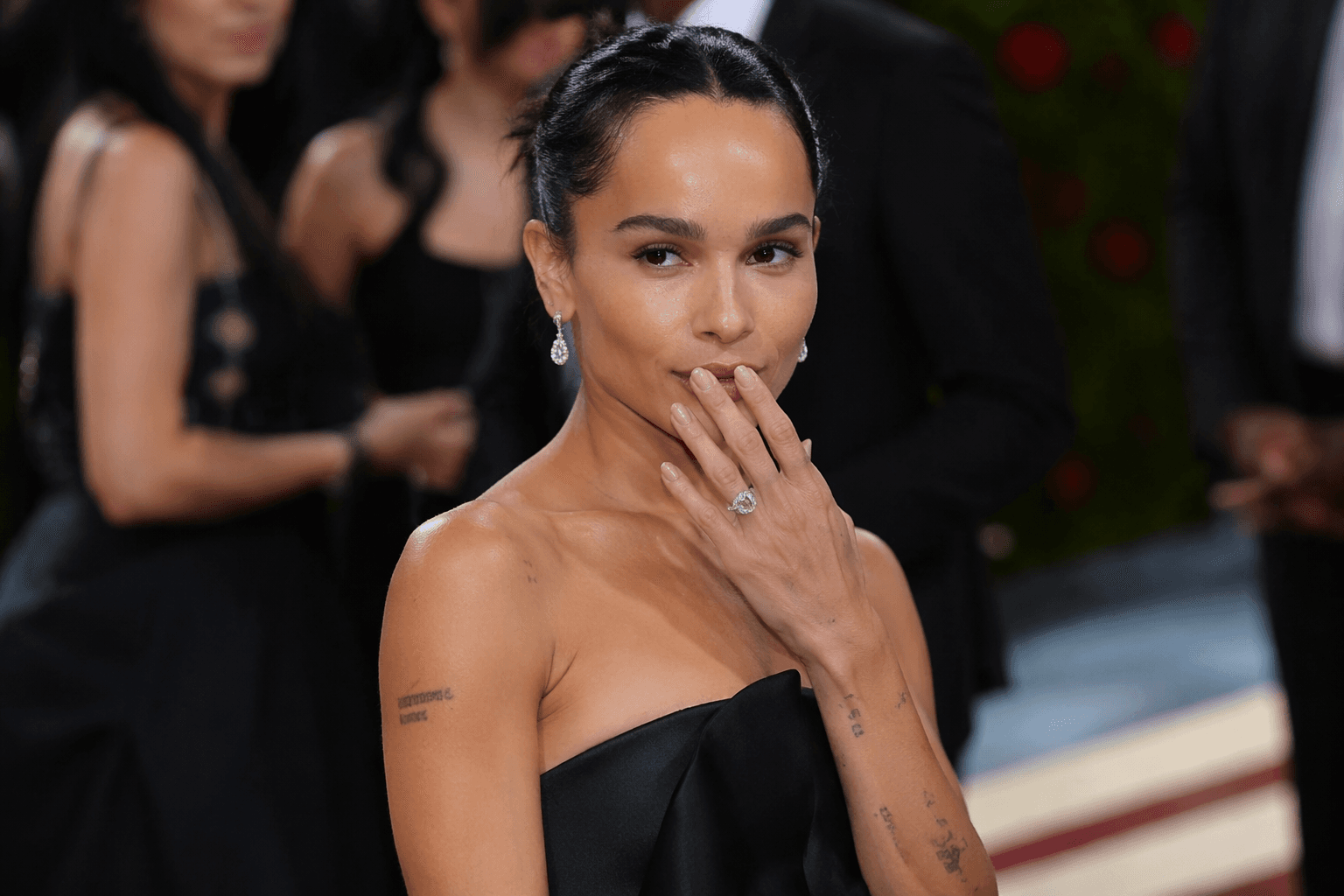
The attention also makes sense because the romance arrived with built-in star wattage. Their relationship first surfaced publicly in August 2025, and both names carry their own gravitational pull, which helped turn a single ring photograph into a full-blown jewelry decode. Once Kravitz was seen in London wearing the diamond, the internet did what it always does with a significant ring: it started reading the stone like a clue.
What the ring appears to be saying
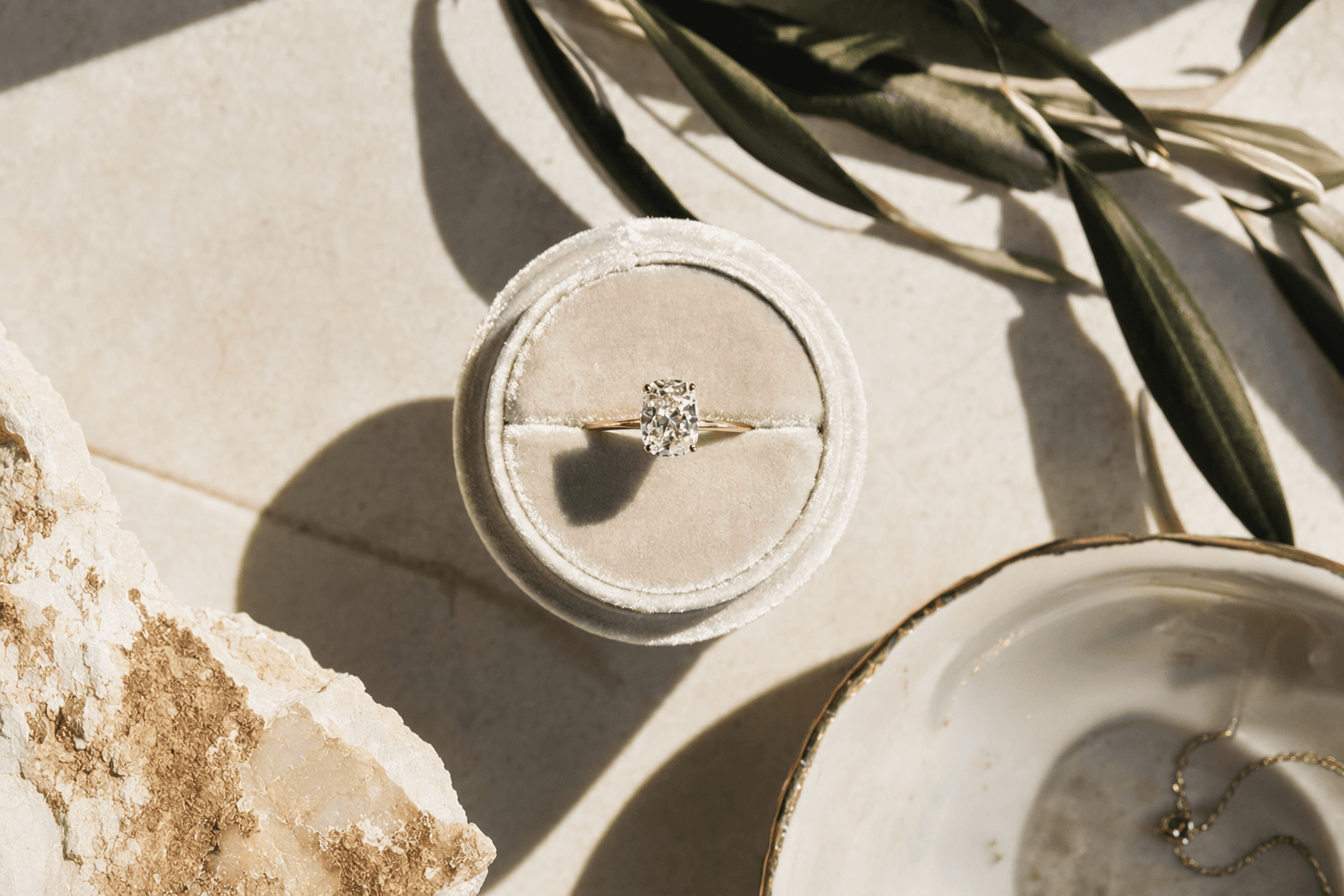
Jewelry experts most often describe the piece as an elongated cushion-cut diamond in a yellow-gold bezel setting. One appraisal places the center stone at about 5 to 6 carats, which is enough weight to read boldly without needing a highly ornate mounting. The elongated cushion shape matters because it stretches the stone visually, giving more finger coverage than a round diamond of similar weight and a softer outline than many sharper cuts.
The bezel setting is part of the appeal too. Instead of exposed prongs, the metal wraps smoothly around the stone, creating a clean frame that looks secure and modern while still feeling slightly old-world. Yellow gold warms the whole composition, giving the diamond a richer, less icy look and making the ring feel deliberate rather than flashy for its own sake. In other words, the setting does not fight the diamond. It edits it.
Why the price can swing so sharply
That is where the valuation gets interesting. Published estimates have ranged from roughly $500,000 to $600,000, yet other appraisals for similar rings climb to about $1 million to $1.9 million when the diamond quality rises. Those gaps are not a contradiction so much as a reminder that two stones with similar carat weight can live in very different price worlds.
Carat measures weight, not just visual size, and the rest of the equation matters enormously. Color, clarity, cut precision, and the craftsmanship of the setting all shape the final number. A 5 to 6 carat diamond can be breathtaking, but a stone with exceptional proportions and cleaner internal characteristics will always sit closer to the top of the market than one with visible compromises. For shoppers, that means the headline number is only the beginning.
Why this is an April-birthstone story, not just an engagement story
Diamond is the official April birthstone, and its symbolism fits the moment neatly. The Gemological Institute of America links the stone to clarity and strength, and says the word diamond comes from the Greek “adamas,” meaning “invincible” or “unbreakable.” That is a powerful claim for a jewel that is often asked to carry love, commitment, and identity all at once.
Diamond engagement rings also carry historical weight. The tradition is often traced to the 15th-century marriage of Archduke Maximilian of Austria and Mary of Burgundy, a union that helped make diamond rings part of the Western bridal imagination. That is why a modern celebrity ring can still feel culturally loaded. It is not only a status object. It sits inside a long visual language of marriage, permanence, and display.
How to get the look without celebrity money
The good news for readers is that the Kravitz-style ring is defined less by one impossible stone than by a set of visible choices. If you want the look, start with the outline first.
- Ask for an elongated cushion rather than a standard cushion if you want that stretched, elegant silhouette.
- Choose a bezel or bezel-inspired setting if you want the smooth, protective finish that makes the diamond feel polished and current.
- Use yellow gold if you want warmth and a subtle vintage note, especially for an April birthstone piece.
- Put cut and proportions ahead of carat alone. A smaller stone with the right outline can read more refined than a larger one with awkward dimensions.
For a tighter budget, a lab-grown elongated cushion can deliver the same visual language without the six-figure math. For a mid-range spend, a smaller natural stone in a bezel setting can capture the feel while keeping the diamond itself more modest. For a higher-budget buyer, the goal shifts from imitation to refinement: stronger cut quality, better color, and a setting finished with the kind of precision that makes even a large stone look restrained.
The larger takeaway for birthstone and bridal shoppers
This ring works because every choice is legible. The shape says elegance, the carat weight says presence, the bezel says polish, and the yellow gold keeps the whole thing from feeling overwrought. That is useful information for anyone shopping April birthstone jewelry or comparing engagement rings, because the most expensive part of a diamond story is not always the part that makes the biggest visual difference.
Zoë Kravitz’s reported ring is a reminder that the smartest diamond buys are not just bigger or shinier. They are the ones that use cut, setting, and metal to make the stone look inevitable.
This article was produced by Prism’s automated news system from verified source data, official records, and press releases, then run through automated quality and moderation checks before publishing. The system is built and supervised by the people who set the standards it runs under. Read our full AI policy.
Did this article answer your question?