2026 Lab-Grown Diamond Stud Earrings: Trends, Quality and Buying Advice
Lab-grown diamond studs give you modern sparkle with clearer ethics and better value, know the sizes, settings, and certification gaps before you buy.
1. Why lab-grown studs matter now
Lab diamond stud earrings are redefining what it means to wear luxury jewelry in a modern, sustainable world. That line, used in the 2026 guides, captures the shift: lab-grown stones deliver the same visual properties as mined diamonds but at significantly lower cost, with Rarecarat reporting that lab-grown diamonds typically cost 40–60% less than natural stones of comparable quality. For readers who want brilliance without compromise, that price differential often buys a larger or higher-quality stone for the same budget.
2. 2026 trend checklist
2026’s demand centers on versatile, lightweight, modern designs and a renewed fondness for classic studs. Theicelane lists key takeaways: lab-grown earrings offer luxury with ethical sourcing; studs, hoops and huggies remain everyday favourites; statement styles such as halo and chandelier are gaining ground; and rose gold continues to trend for festive wear. Brands are answering with pavé hoops, clusters, and elongated oval and pear-drop silhouettes that read as both contemporary and wearable.
3. How size (CTW) translates to what you see
Size decisions hinge on total carat weight (CTW) and diameter. Thediamondguys’ CTW-to-mm guidelines are practical: 0.10–0.20 ctw ≈ 2.5–3.0 mm (understated, daily), 0.25–0.40 ctw ≈ 3.2–4.0 mm (classic, versatile), 0.50–0.80 ctw ≈ 4.1–5.0 mm (prominent classic), 1.00–1.50 ctw ≈ 5.1–6.0 mm (bold statement) and 2.00 ctw+ ≈ 6.5 mm+ (high-impact). Rarecarat echoes the practical ranges: 0.25–0.50 ctw for subtle daily wear and 1.00+ ctw for bold statements. Use these numbers to visualize scale on the ear rather than rely on carat alone.
4. Settings you’ll see (and what they do)
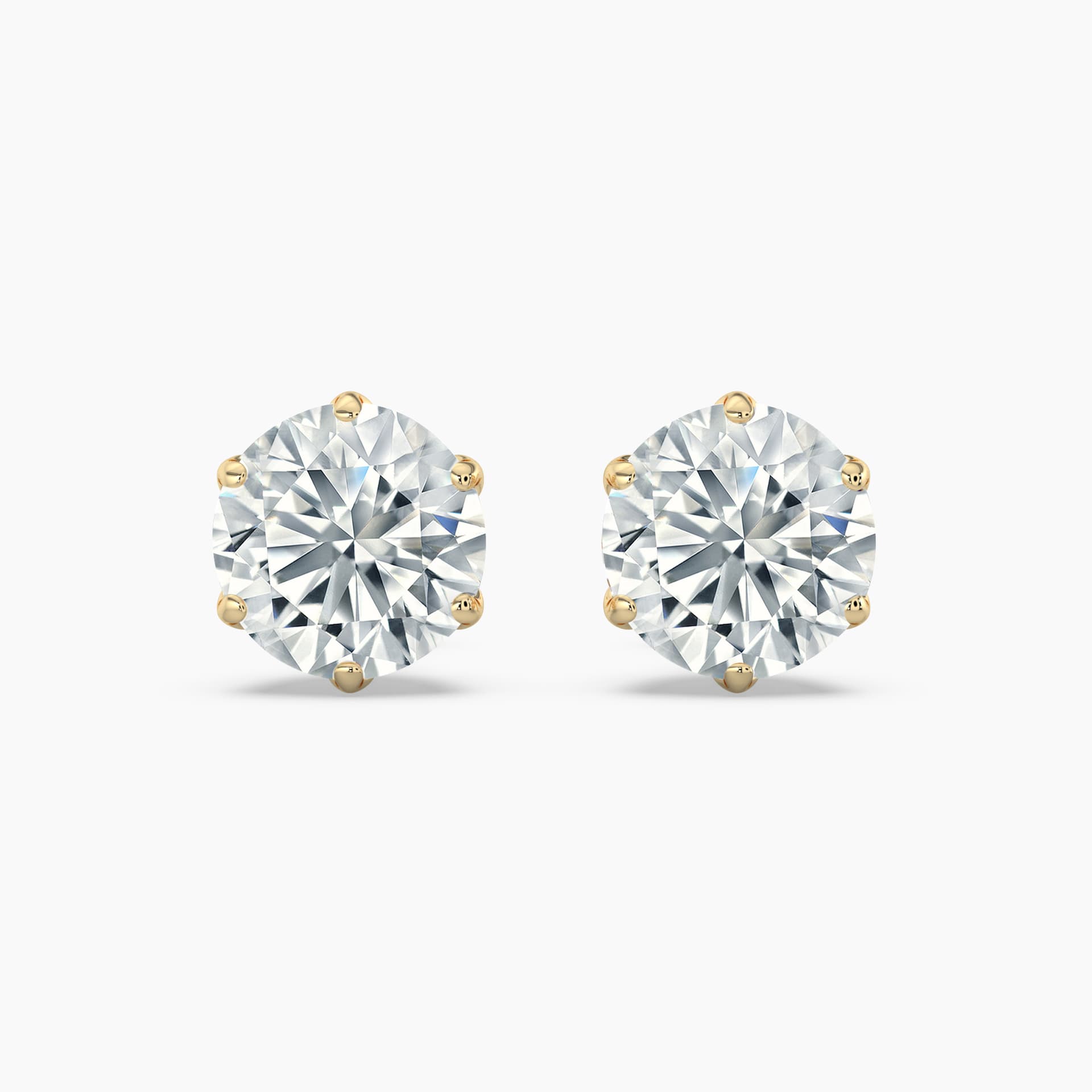
Common settings appear across the 2026 collections: solitaire, halo, bezel, prong, pavé, cluster, basket and more experimental options such as east–west, floating and tension mounts. Solitaire remains the go-to for “elegance with zero fuss,” as Angara puts it, while halo and cluster arrangements are the easiest way to amplify sparkle without a single huge center stone. Bezel and prong choices control profile and security, bezel gives a lower, modern silhouette; prongs maximize light return.
5. Basket versus martini, what we know (and what’s missing)
On one explicit technical point, Theicelane explains: "Basket settings hold the diamond securely while allowing light to enter from multiple angles. This enhances brilliance and gives the earring a refined finish. Basket-set lab grown earrings are both practical and elegant, making them suitable for everyday wear." The Original Report listed a martini vs. basket comparison as a topic, but the excerpt available here is truncated and does not provide martini-setting specifics; do not assume martini attributes without an expert description. Use the basket example as a concrete case of how mounting affects both sparkle and security.
6. How mounting influences sparkle and durability
Mounting choices directly change optical performance and wearability. A basket or multi-prong mount that exposes the pavilion lets more light into the stone and typically increases perceived brilliance; tighter bezel-style mounts protect the girdle and lower snag risk at the expense of some face-up fire. The Original Report promised a treatment of how mounting choice influences sparkle and durability; given the partial source, rely on explicitly described examples, like Theicelane’s basket-setting note, when advising buyers.
7. Metals and color trends for studs
Metals are a design lever for 2026: rose gold and mixed-metal combinations are especially popular for warmth and fashion-forward looks, while white gold and platinum remain the classic backdrop for colorless stones. The main guides note a strong resurgence of yellow gold in contemporary styles. Rarecarat’s listing of metal options, 14K white/yellow/rose gold, platinum, sterling silver and even stainless steel, underscores that metal should be chosen for lifestyle (sensitivity, durability) and the aesthetic you want to emphasize.

8. Certification, the 4 Cs, and the one big gap
Technical buying basics remain the 4 Cs, cut, color, clarity, carat, and certification matters: look for GIA or IGI paperwork on lab-grown stones, as noted in the buyer guidance. That said, the assembled materials include an important absence: the Original Report’s promised "recommended color/cla…" guidance is truncated and no explicit numeric color or clarity grades are provided in the excerpts. If you need a concrete color/clarity target (for example, a specific color grade like G–H or a clarity like VS2), request that guidance or a certified lab report before purchase; the documentation is the single most reliable way to confirm what you’re getting.
9. Price, value and sustainability specifics
Expect meaningful price variance: Rarecarat lists small lab-grown studs under $500, while comparable natural stones commonly start around $1,000–$2,500 and up. Lab-grown diamonds’ lower market price, given at 40–60% less by Rarecarat, combined with a generally smaller environmental footprint makes them attractive to eco-conscious buyers who still want optical parity with mined stones. Balance price, certification and metal choice to determine whether you’re prioritizing size, color/clarity, or long-term resale assumptions.
10. Men’s studs and quick buying rules
Men’s studs follow the same technical rules but skew toward modest sizes and strong silhouettes: common types include solitaire, halo, cluster, bezel- and prong-set, plus choices such as black or colored diamonds. Popular size guidance for men is the same as general guidance, 0.25–0.50 ctw for subtle daily wear and 1.00+ ctw for bolder statements. Price expectations mirror the wider market: smaller lab-grown studs can be found for under $500, while natural equivalents push into the $1,000–$2,500+ band.
- Ask for certification: require GIA or IGI documentation that specifically identifies the diamond as lab-grown and lists the 4 Cs.
- Verify size visually: use the CTW-to-mm ranges above to picture how a given carat weight will read on your ear.
- Confirm mount and metal: pick a setting that matches your lifestyle, basket or prong for more sparkle; bezel for protection, and choose metal for wearability (14K gold for daily wear, platinum for longevity).
- Check return, repair and upgrade policies: lab-grown stones still need secure mounts and routine inspections; understand whether the retailer offers tightening, re-plating or trade-up credit.
- Demand clarity on sustainability claims: Rarecarat notes lab-grown diamonds generally have a smaller environmental footprint; ask retailers for lifecycle or energy-source details if environmental impact is central to your choice.
11. A practical buying checklist (what to do, step by step)
Conclusion Lab-grown diamond studs in 2026 are no longer a niche: they give identical sparkle to mined stones while shifting the balance toward affordability, modern design and ethical clarity. Use concrete tools, the CTW-to-mm guidelines, explicit setting examples such as the basket description, and GIA/IGI certification, to cut through marketing language; be candid about any missing technical guidance (notably the absent color/clarity grades in the truncated guide) and insist on documentation. Buy with both an eye for beauty and a ledger of facts, and your studs will deliver the sparkle, and the story, you want.
This article was produced by Prism’s automated news system from verified source data, official records, and press releases, then run through automated quality and moderation checks before publishing. The system is built and supervised by the people who set the standards it runs under. Read our full AI policy.
Did this article answer your question?