4Cs Explained: Cut, Color, Clarity, Carat, Grading and Buying Tips
A well-cut, near‑colourless diamond often gives the most visible sparkle for your money; prioritize the 4Cs you value and always check certification from GIA, IGI, AGSL or GemEx.
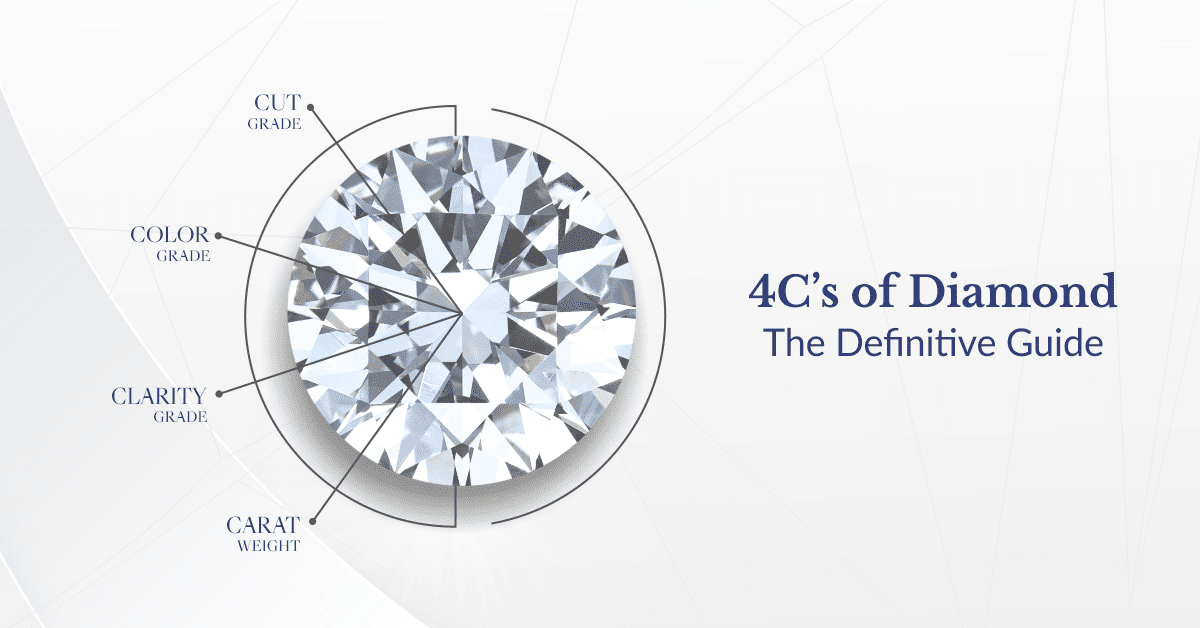
Begin with the essentials: “These four qualities are the global standard for evaluating a diamond’s beauty and value,” says Benz & Co Diamonds, cut, color (colour), clarity and carat. Together these parameters shape a stone’s sparkle and price; the way they interact determines whether a diamond reads as brilliant, large, or simply expensive. Below, each C is defined with practical detail, followed by grading context, lab‑grown specifics and buyer guidance grounded in industry practice.
1. Cut
Cut describes how a diamond’s facets are proportioned and finished to return light to the eye; it is the most direct control on sparkle and brilliance. Blue Nile notes that a “well‑cut stone may appear larger than a diamond of the same carat weight thanks to increased light reflection,” which is why cut often matters more to perceived size than carat alone. Even an ideal cut can be affected by other Cs, Blue Nile cautions that “an ideal cut diamond may appear less brilliant if its color rating is L or M”, so cut should be evaluated in the context of color and clarity when possible.
2. Color / Colour
Colour grading measures the absence of colour in a diamond, with a scale running from D (completely colourless) to Z (light yellow or brown tint). Charm Diamond Centres explains that “colourless diamonds are rare and highly prized, but near‑colourless grades (such as G‑H) often appear identical to the naked eye and provide better value.” Use this fact when balancing budget and appearance: G–H stones typically preserve the icy look while freeing budget for a superior cut or clarity grade.
3. Clarity
Clarity quantifies internal and surface characteristics, inclusions and blemishes, that can interrupt the path of light. Retailers such as Benz & Co emphasize their focus on “high grades for cut, color, and clarity,” reflecting how clarity still factors strongly into price despite often being invisible without magnification. For many buyers, a VS or SI clarity that looks clean to the unaided eye will offer better value than a marginal gain to VVS/IF grades that are only appreciable under 10× loupe.
4. Carat
Carat weight is the literal measurement of a diamond’s mass, but it is not a lone arbiter of value. Karaat Jewelry cautions that “carat weight does not necessarily determine a diamond's value,” because overall worth is the product of all four Cs. That said, carat influences rarity: all else equal, larger diamonds command premiums, which is why many buyers trade slightly down in colour or clarity to achieve a visual milestone like 1.00 or 1.50 carats.
5. How the 4Cs interact
The 4Cs are not independent knobs; they push and pull a stone’s visual effect and price. Blue Nile summarizes this succinctly: “Each of the individual 4Cs of diamonds may interact with one another to impact a stone’s overall appearance.” Practically, that means a smaller, superbly cut G–H diamond may outshine a larger pale‑yellow stone; a high‑clarity, poorly cut diamond will waste potential fire; and colour and clarity often trade off against carat when balancing budget and look. Choosing which C to prioritize is the buyer’s essential decision: do you want maximum sparkle, peak size, or the purest colour?

6. Grading and certification (the unofficial “5th C”)
Many in the trade treat certification as the unofficial fifth C: “Many people consider diamond certification to be the unofficial 5th C,” says Blue Nile. Certification from reputable labs, GIA, AGSL, IGI and GemEx are all named authorities, provides the standardized language that makes apples‑to‑apples comparisons possible. Benz & Co states that “Each stone is certified by trusted gemological labs,” and some retailers staff GIA‑trained personnel to help interpret those reports; always request the certificate number and lab name before purchase.
7. Lab‑grown diamonds and the 4Cs
Lab‑grown stones are graded by the same visual and measurement standards used for mined diamonds. Grown Brilliance is explicit: “Lab created diamonds are physically, optically, and chemically identical to mined diamonds when compared side by side.” The GIA system has been extended industry‑wide; Grown Brilliance also notes that the International Gemological Institute (IGI) was “the first major diamond grading laboratory to extend the 4Cs grading to Lab Grown Diamonds.” Lab‑grown diamonds can range “from poor to excellent” across the 4Cs, so certification remains equally important.
8. Retailer practices and services that matter when buying
Retailers frame purchase experience around grading, expertise and consumer protections. Benz & Co emphasizes an education‑first approach, “At Benz & Co Diamonds, we believe an educated customer is an empowered customer”, and advertises “Expert Guidance: Our team includes GIA‑trained gemologists and experienced consultants.” Charm Diamond Centres highlights transactional protections: “Free shipping on orders over $99,” an “Unbeatable Pricing Policy,” and “Flexible Financing Options,” which can influence total cost and convenience. Blue Nile positions itself as an expansive online option, stating “As the largest online diamond retailer, we offer a vast collection of the world’s finest cut diamonds,” a claim that speaks to selection but should be weighed against in‑person service needs.
- Prioritize cut first if sparkle is your objective; a superior cut often compensates for modest colour or clarity.
- Choose near‑colourless grades (G–H) to maximize visual value, as Charm points out these often “appear identical to the naked eye.”
- Always insist on a certificate from a named lab, GIA, AGSL, IGI or GemEx, and verify the report number.
- Consider lab‑grown diamonds if you want the same optical and chemical properties for different pricing dynamics; remember IGI was first to extend the 4Cs to lab‑grown stones, per Grown Brilliance.
- Use expert consultation, Benz & Co and other sellers stress the value of GIA‑trained advisors, but be wary of pressure; Benz & Co advertises a “no‑pressure approach.”
9. Practical buyer tips (a short checklist)
Conclusion Understanding the 4Cs gives you the vocabulary to ask precise questions and to measure tradeoffs between sparkle, size and cost. As Benz & Co promises, “By the end, you’ll know exactly what to look for, and feel confident in finding the perfect stone for your needs.” Certification and a trained advisor turn that confidence into a defensible purchase: seek reputable labs, prioritize the single or two Cs that matter most to you, and let the diamond’s light, not its certificate alone, be the final judge.
This article was produced by Prism’s automated news system from verified source data, official records, and press releases, then run through automated quality and moderation checks before publishing. The system is built and supervised by the people who set the standards it runs under. Read our full AI policy.
Did this article answer your question?