African diamond producers reserve 4Cs for natural stones, label lab-grown synthetic
African producers moved to ring-fence the 4Cs for natural diamonds, pushing lab-grown stones into synthetic labeling and metric weights as the trade battle hardens.
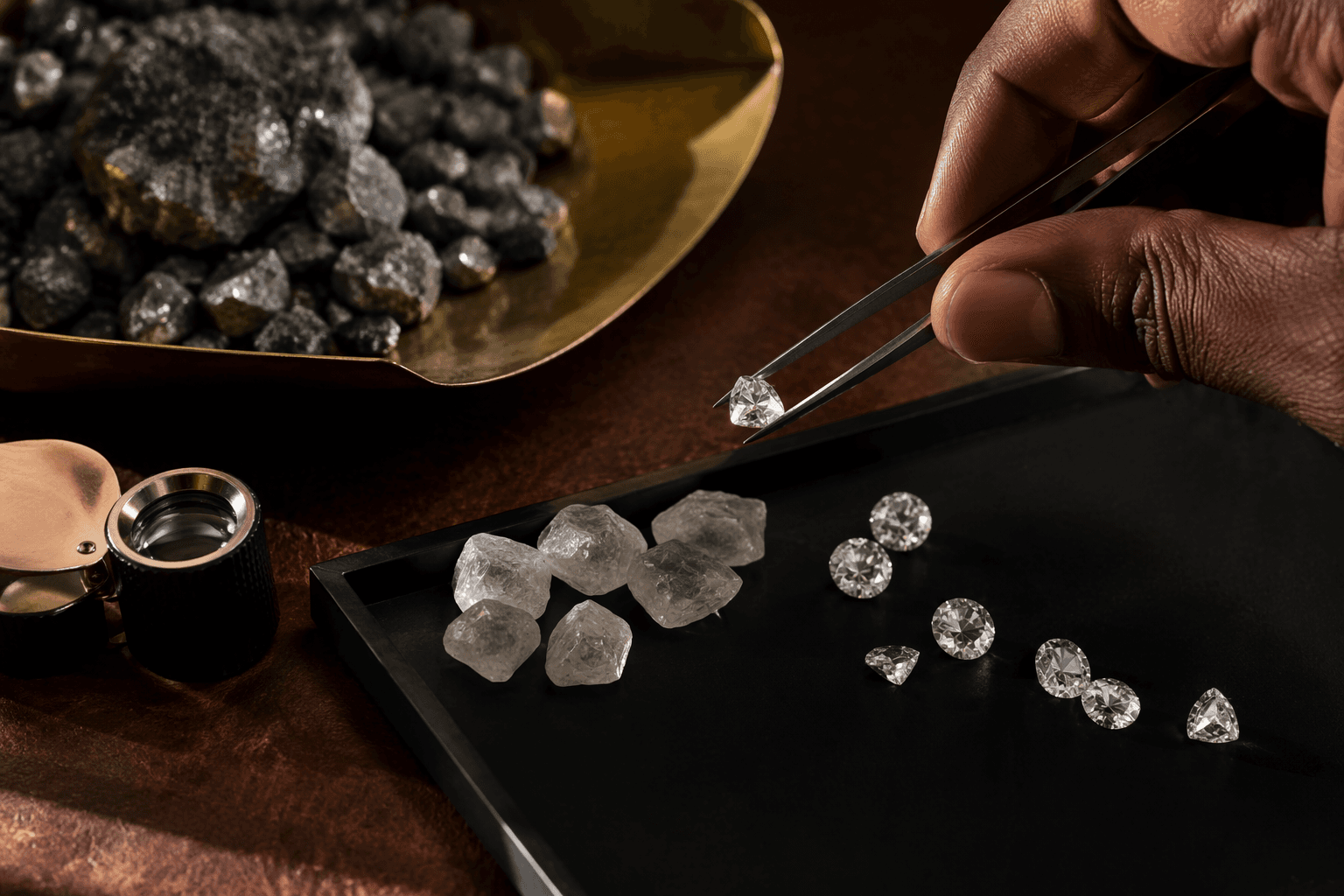
African diamond producers have drawn a sharper line between mined stones and their laboratory-grown rivals, reserving the 4Cs and carat weight for natural diamonds while pushing lab-grown goods into a different language altogether. The new position, adopted by the African Diamond Producers Association, would require synthetic stones to be labeled as such and measured in grams or kilograms, a change that would ripple through grading reports, retail tags, marketplace filters and sales scripts if the rule wins wider acceptance.
The association approved the stance at its 11th Ordinary Meeting of the Council of Ministers in Freetown, Sierra Leone, during Sierra Leone Mining Week, where delegates from African diamond-producing nations and observer member states met to align on a common position. ADPA, headquartered in Luanda, Angola, represents 15 diamond-producing countries and says the aim is to protect the integrity of the natural-diamond industry as synthetic alternatives gain ground. The group also said it is backing an updated communication and marketing strategy, a sign that this is as much a language fight as a commercial one.
The stakes are clear. ADPA says the producers behind the position account for roughly 70 percent of global rough-diamond output, giving the bloc real weight even without formal enforcement power. That absence matters: the association cannot compel retailers or laboratories to comply, so it plans to lobby international trade bodies, governments and grading labs to adopt its standards. If that campaign succeeds, the changes would reach beyond Africa, forcing brands and jewelers to rethink how they describe weight, quality and origin at the counter and online.
The move lands in a market that has already begun to separate the two categories more visibly. The Federal Trade Commission’s jewelry guides permit descriptors such as laboratory-grown, laboratory-created and synthetic for man-made gemstones, while the Gemological Institute of America has moved away from full 4Cs-style grading for most lab-grown diamonds and now uses a new descriptive system. HRD Antwerp said in 2025 that it would stop grading loose lab-grown diamonds in 2026. Those shifts suggest that the industry’s most familiar grading language is being recast in real time.
Consumer demand explains why the language matters. Lab-grown diamonds accounted for 14 percent of the U.S. jewelry market in 2024, according to Tenoris, turning what was once a niche category into a serious commercial force. ADPA’s position is designed to make that growth easier to police, not through geology but through terminology. In a market where trust is built in certificates, captions and labels, the fight over the 4Cs has become a fight over what diamond means.
This article was produced by Prism’s automated news system from verified source data, official records, and press releases, then run through automated quality and moderation checks before publishing. The system is built and supervised by the people who set the standards it runs under. Read our full AI policy.
Did this article answer your question?