Alrosa Invests in Smolensk Diamond-Cutting Capacity, Training Initiative
Alrosa is backing 23 student internships at its Kristall factory in Smolensk, pairing job-guarantee contracts with a new regional academy program to rebuild Russia's diamond-cutting workforce.
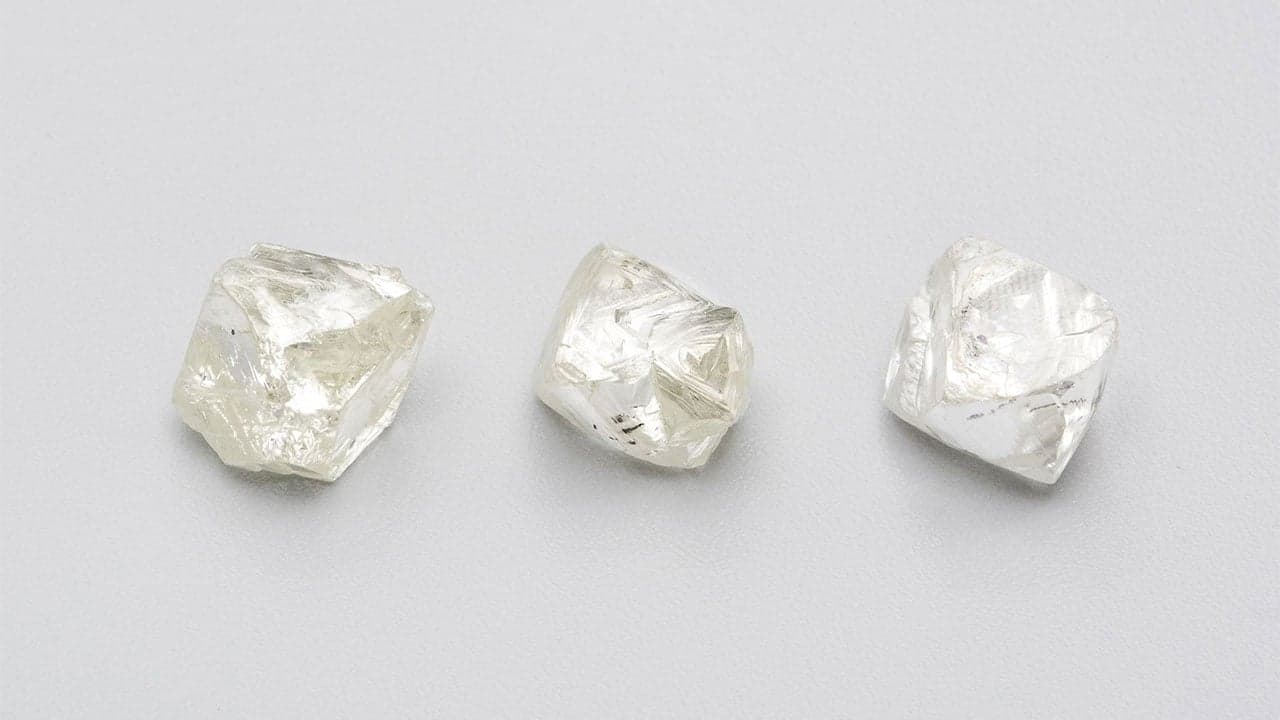
Alrosa CEO Pavel Marinychev sat down this past weekend with Smolensk region Governor Vasily Anokhin and Deputy Chairman Pyotr Ilyukhun inside the Kristall natural-diamond cutting factory, an Alrosa-owned facility that now sits at the centre of an ambitious plan to transform Smolensk into Russia's primary domestic diamond-processing hub.
The mid-March meeting formalized a three-way partnership between Alrosa, the Russian Ministry of Finance, and the Smolensk region administration. The agreement covers four areas: infrastructure investment, services, tax incentives, and diamond production oriented toward the domestic market. Specific investment figures and details on the tax incentive structure have not been disclosed.
"The development of a domestic diamond-cutting cluster, with Smolensk as its central hub, will be an important factor in strengthening Russia's industrial potential and creating added value in the diamond industry," Marinychev said. He added that Kristall's accumulated expertise positions it well to serve as a foundation for incoming industry participants: "We are confident that Kristall, with its many years of experience and unique expertise, will provide an excellent technological base for future residents."
Smolensk's selection as the cluster's anchor is not arbitrary. The city has long hosted multiple manufacturing facilities tied to Alrosa's rough supply pipeline, making it the natural candidate for a domestic value-capture strategy. Russia's diamond industry has historically exported a substantial share of its rough stones for cutting and polishing abroad, surrendering significant margin in the process. Concentrating more of that work domestically would allow the country to retain a larger portion of the value generated along the diamond pipeline.
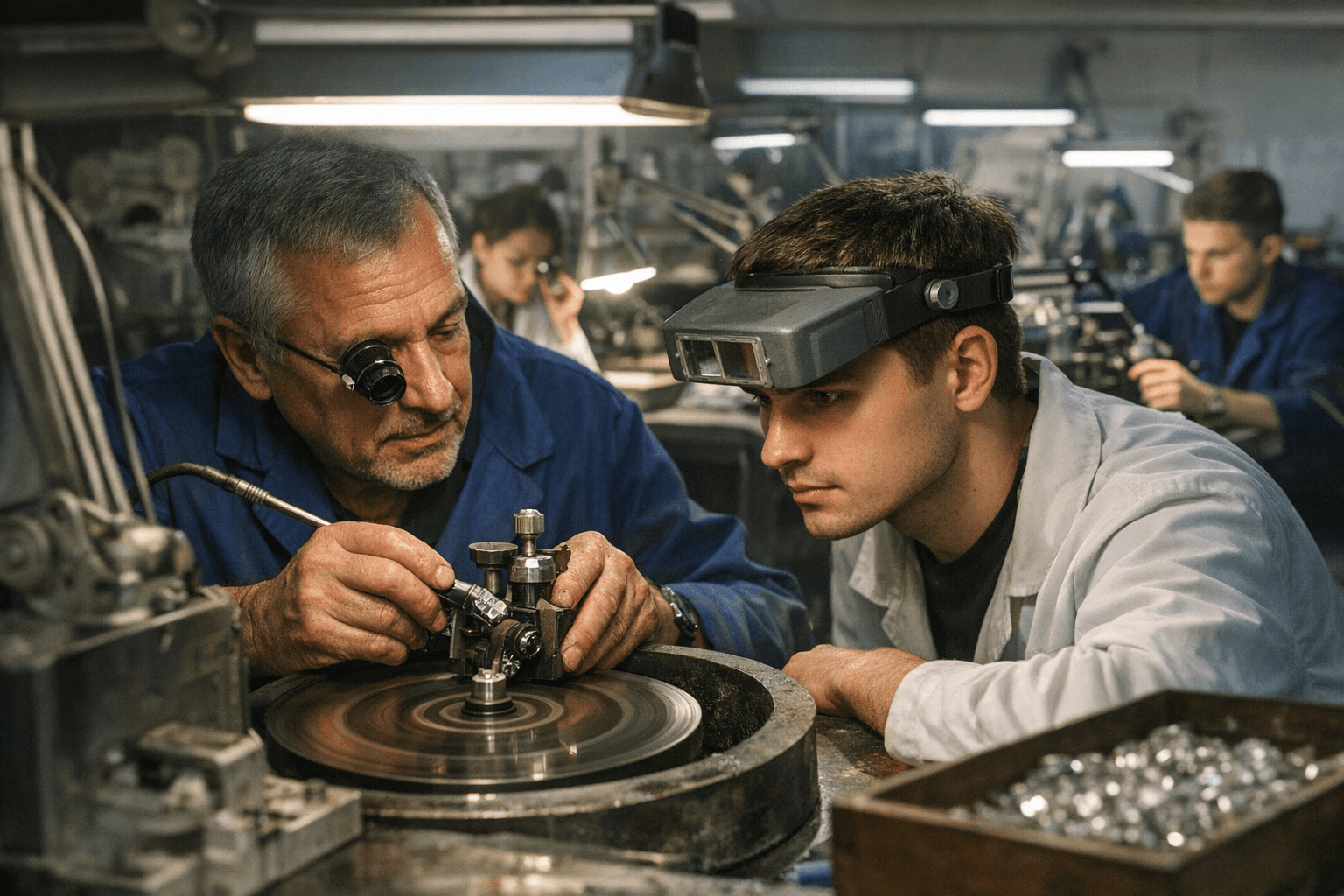
The workforce piece of the initiative is already moving. The Smolensk Regional Technological Academy has launched dedicated jewelry and diamond-cutting training programs, with Alrosa offering enrolled students contracts that guarantee employment upon graduation. This year, 23 students are completing internships at Kristall Production Association, providing hands-on exposure to the facility that would anchor the proposed cluster.
The scope of what Alrosa and regional authorities are building goes beyond filling existing vacancies. By pairing infrastructure investment with a structured pipeline from academy enrollment to guaranteed placement at Kristall, the initiative is designed to create a self-sustaining local workforce rather than relying on periodic recruitment. What remains unanswered is the scale: no production capacity targets, formal job creation numbers beyond the current intern cohort, or timelines for infrastructure completion have been made public. The Ministry of Finance's precise role, including whether it will introduce specific fiscal instruments to attract cutting-sector investment, also remains unspecified.
For buyers and collectors who care about provenance and the full journey of a stone from mine to setting, initiatives like this one add a new layer to the story rough diamonds tell. A diamond cut in Smolensk rather than Surat or Antwerp carries a different chain of custody, and as domestic Russian processing capacity grows, that distinction will increasingly matter to jewelers tracing their supply.
This article was produced by Prism’s automated news system from verified source data, official records, and press releases, then run through automated quality and moderation checks before publishing. The system is built and supervised by the people who set the standards it runs under. Read our full AI policy.
Did this article answer your question?